Tell us about the job
Takes about a minute. No obligation.
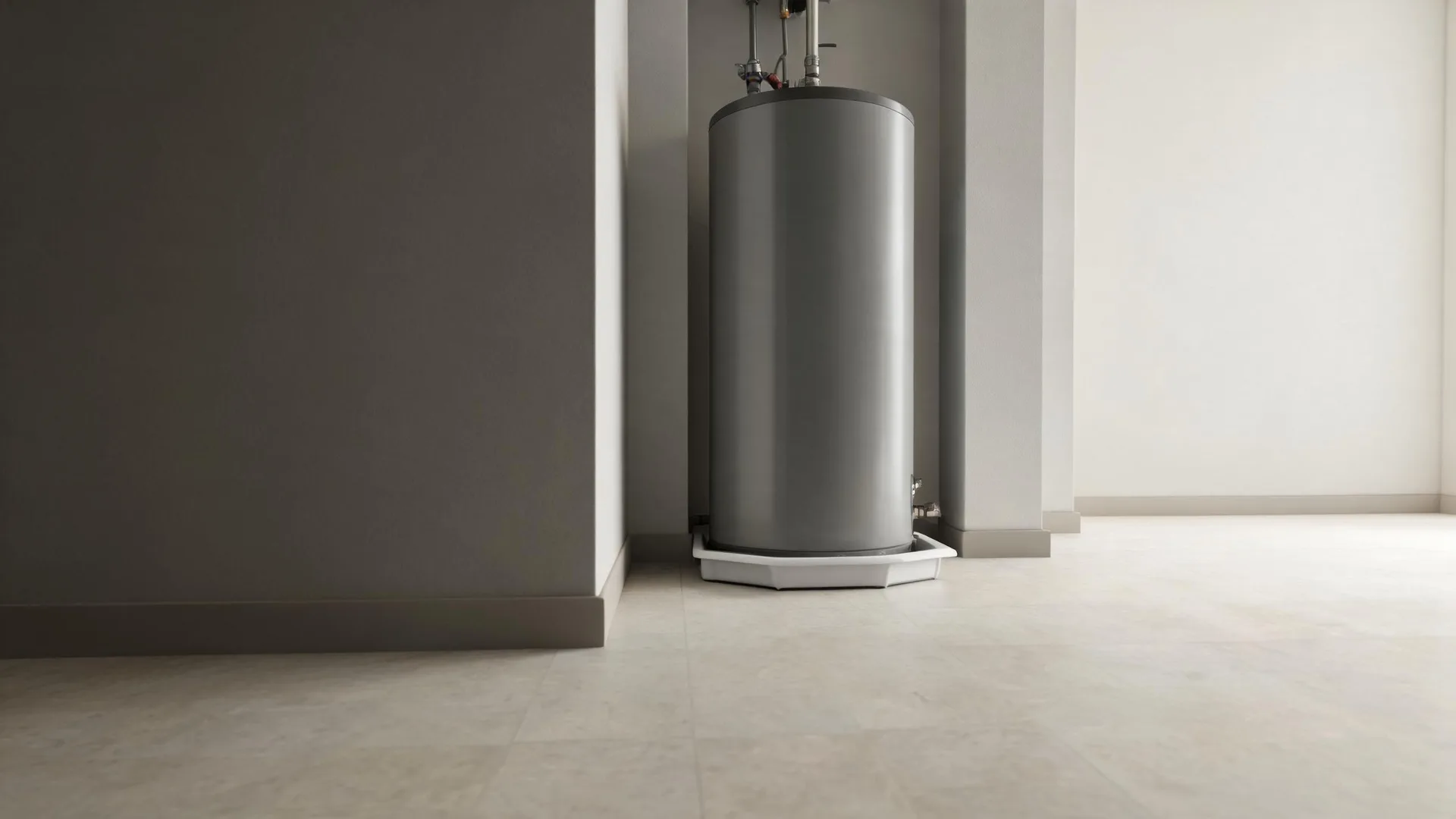
An electric water heater has no off-season. Electricity heats more occupied homes in Franklin County, Missouri than any other fuel, at 67.6% (2020-2024 ACS 5-year). That share means most water heaters here are electric resistance units, and the parts that fail most often on those units are the heating elements and the thermostats, both of which cycle every time a tap opens or a tank drops below its set point. A contractor diagnosing a failed water heater in Franklin County checks those components first, because accumulated cycling wears them out well before the tank itself gives way.
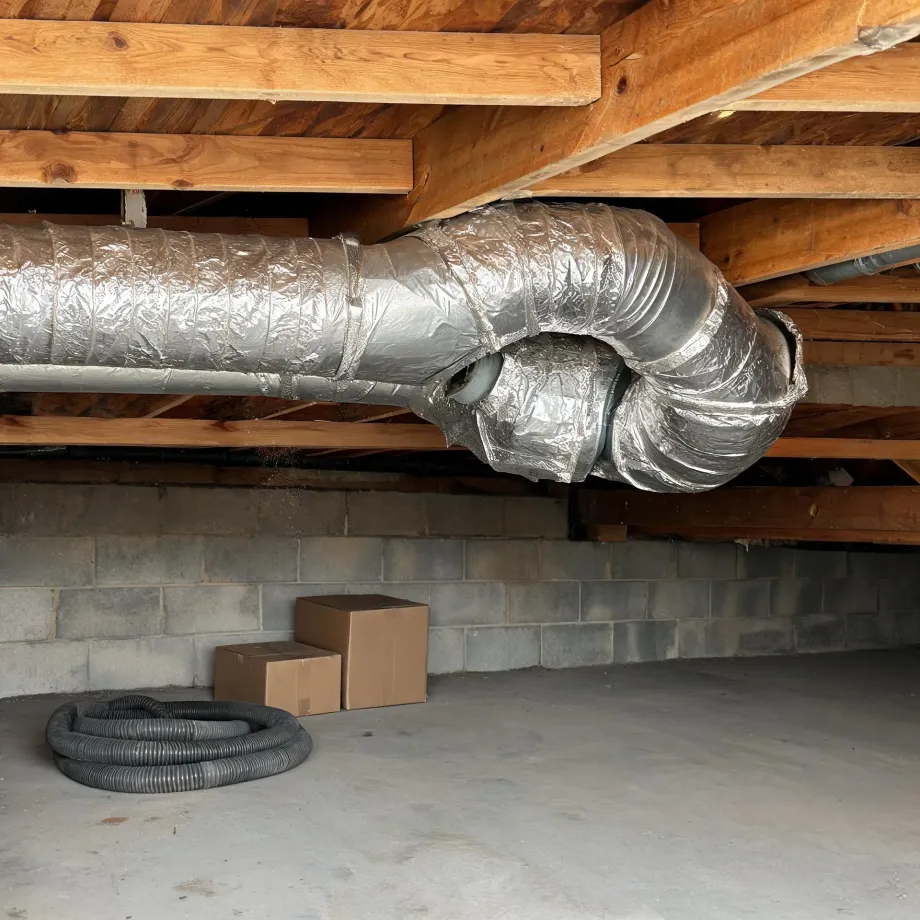
Water heaters in this county frequently sit at the end of supply lines that have been accumulating mineral scale and corrosion for a long time. Half the homes in Franklin County, Missouri were built in 1984 or earlier (2020-2024 ACS 5-year). A contractor who opens a tank in stock like this is likely to find anode rods that are spent, dip tubes that have degraded, and sediment layers heavy enough to affect recovery time. Parts for older units are sometimes discontinued, which changes what the repair options actually are. The age of the plumbing behind the heater can also mean a connection or shutoff that complicates the job once work begins.
The Parts of a Water Heater a Contractor Checks First
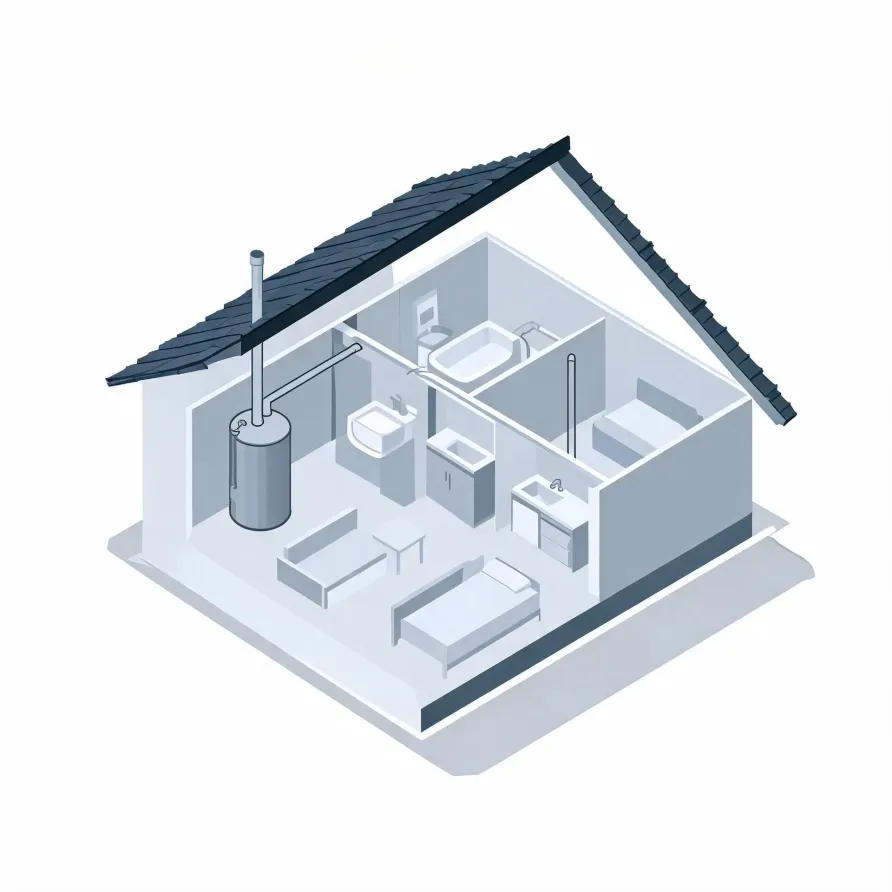
The tank is the piece a homeowner notices first, sitting in a utility room, basement, or closet. It holds the water and keeps it hot. The burner assembly or heating element sits at the base or inside the tank and is where a contractor looks when water runs cold or the unit cycles strangely.
The pressure relief valve mounts on the side of the tank and releases if pressure builds past a safe point. The anode rod runs down through the top and slows corrosion inside the tank wall. The thermostat and its connections sit at the control assembly and are checked when temperatures are off or the unit fails to respond.
The drawing shows a typical layout, and a licensed contractor determines which parts apply to the specific unit and setup in your home.
Find a contractor in Franklin CountyFranklin County, Missouri, by the numbers
129 severe weather events were recorded in Franklin County, Missouri between 2015 and 2024.
NOAA National Centers for Environmental Information, Storm Events Database, bulk CSV export, events 2015-01-01 through 2024-12-31.Half the homes in Franklin County, Missouri were built in 1984 or earlier (2020-2024 ACS 5-year).
U.S. Census Bureau, 2020-2024 American Community Survey 5-Year EstimatesFranklin County, Missouri holds 46,312 housing units (2020-2024 ACS 5-year).
U.S. Census Bureau, 2020-2024 American Community Survey 5-Year EstimatesOwners occupy 76.5% of the occupied homes in Franklin County, Missouri (2020-2024 ACS 5-year).
U.S. Census Bureau, 2020-2024 American Community Survey 5-Year EstimatesSevere Weather Events in Franklin County
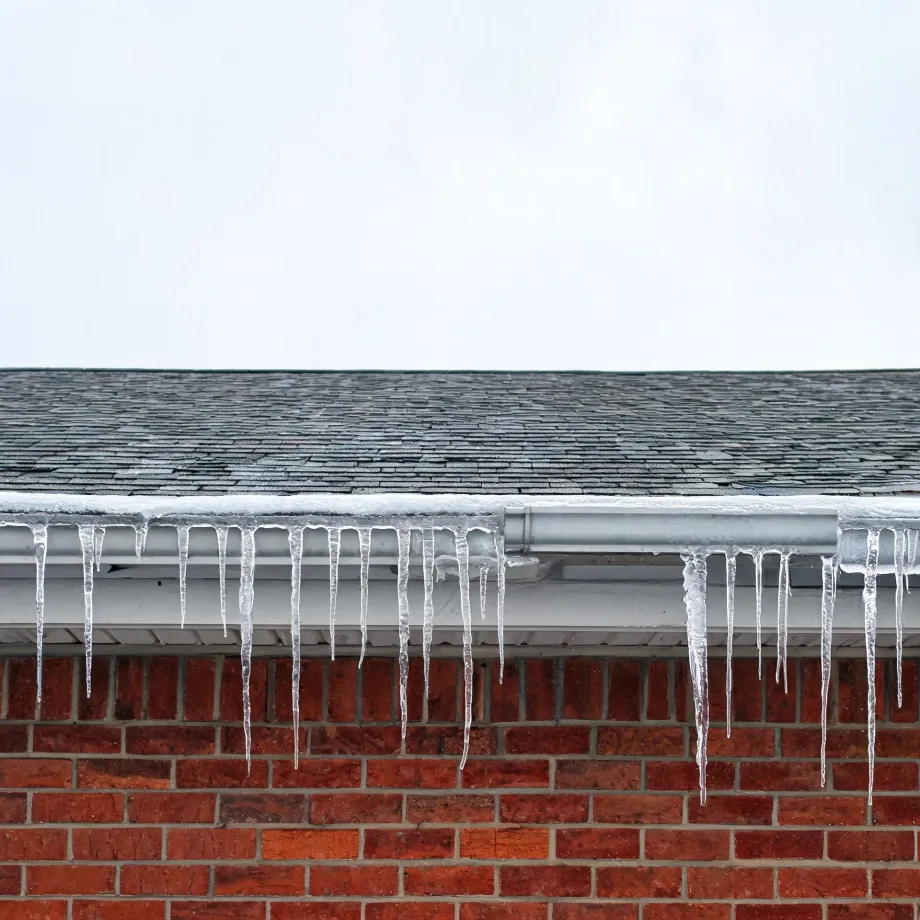
Extreme weather puts real stress on water heaters, forcing recovery cycles and components to work harder than they do in mild conditions. How often that happens in Franklin County shapes what local units endure and what repair work looks like here.
129 severe weather events, 2015–2024. Source: NOAA National Centers for Environmental Information, Storm Events Database.