Tell us about the job
Takes about a minute. No obligation.
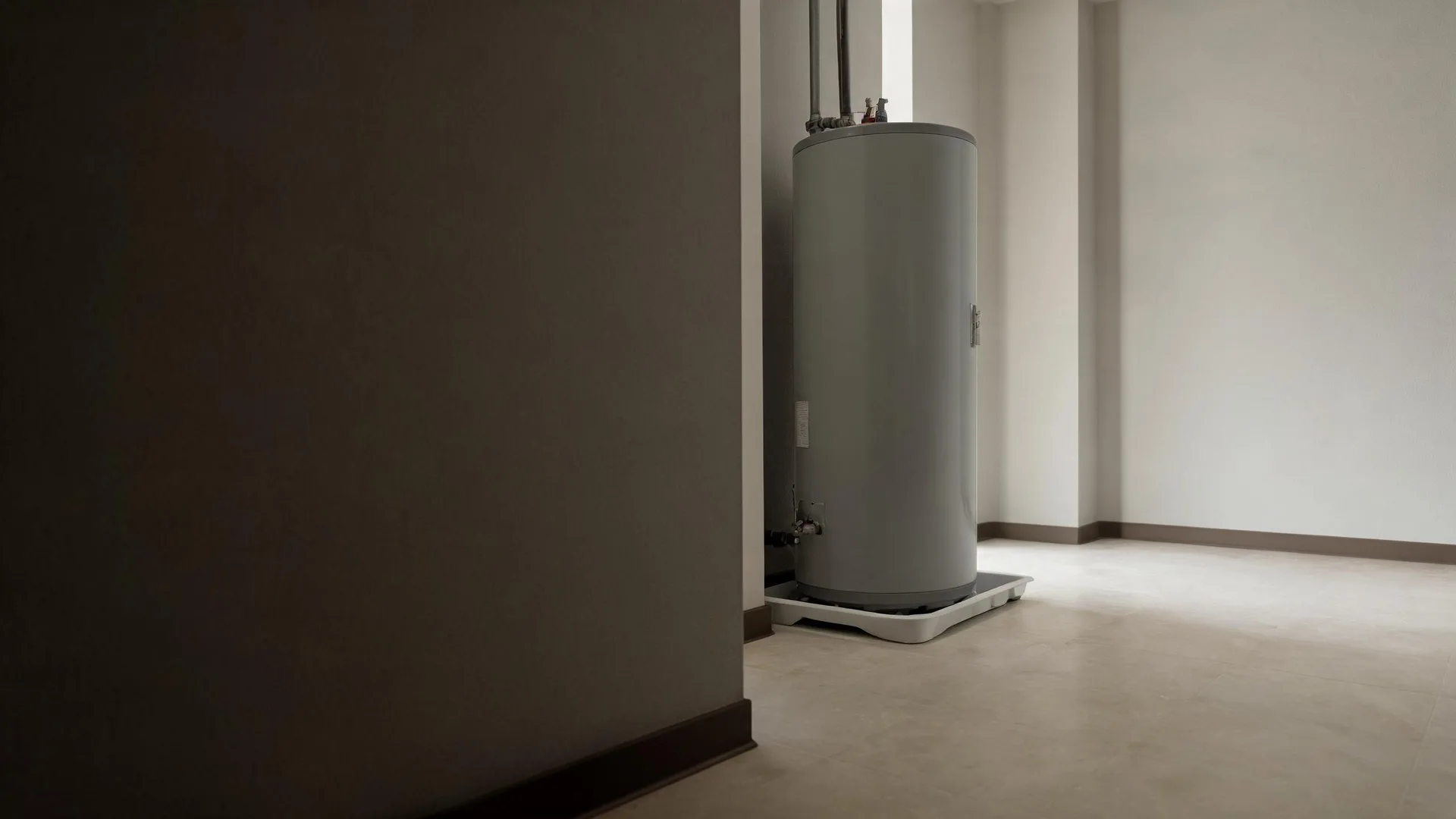
Electric water heaters depend entirely on their heating elements and thermostats to do the work, and both wear in proportion to how hard the household draws on them. Electricity heats more occupied homes in Lawrence County, Missouri than any other fuel, at 37.7% (2020-2024 ACS 5-year). That share of the housing stock puts a lot of electric tank-style units in service here, and the failure patterns contractors see reflect it: elements corrode, thermostats drift, and sediment builds on the heating surface faster in a unit that runs frequently. A contractor diagnosing a cold-water complaint in Lawrence County pulls the element first, checks resistance, and moves to the thermostat if the element tests clean.
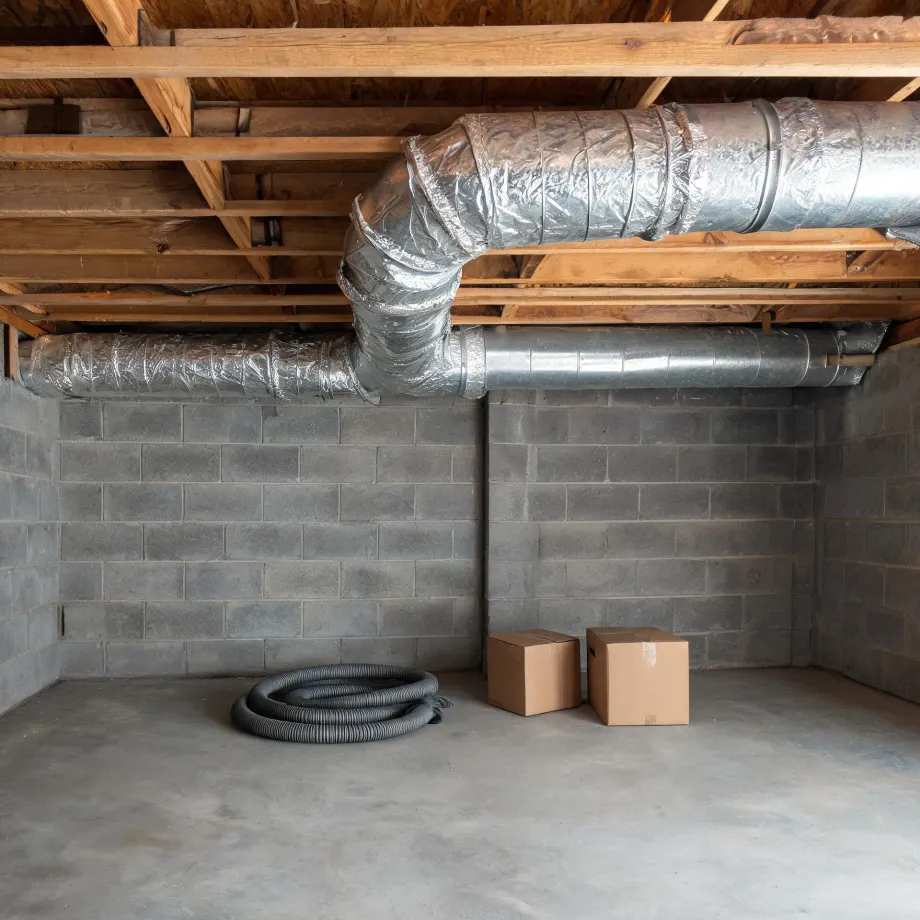
Sediment buildup, corroded anode rods, and failed thermostats behave differently depending on what generation of equipment a house has been running. Half the homes in Lawrence County, Missouri were built in 1979 or earlier (2020-2024 ACS 5-year). A contractor opening a water heater in stock that old is looking at components whose replacement parts may sit at the edge of current manufacturing runs, and some have already fallen off them entirely. That gap between what the unit was built for and what suppliers stock today is what drives repair cost in this county more than the failure itself.
The Parts of a Water Heater a Contractor Checks First
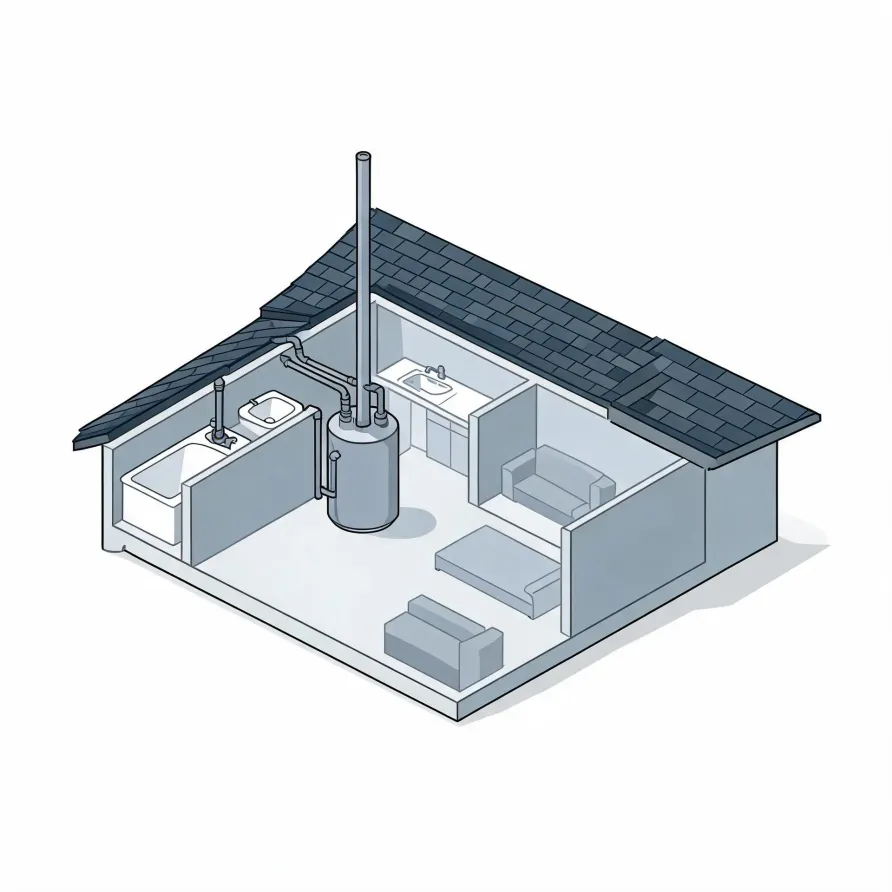
The tank is the center of the system, sitting in a utility room, basement, or closet, and its job is to store and heat water until a tap calls for it. The burner or heating element sits at the base or inside the tank and is often where trouble starts when hot water runs out or arrives lukewarm.
The anode rod runs through the tank's interior and slows corrosion from the inside out; when it wears down, the tank itself begins to degrade. The pressure relief valve mounts on the tank's side, the dip tube carries cold water in, and the flue or exhaust vent carries combustion gases out of the house on gas-fired units.
The drawing shows a typical layout, and a licensed contractor determines which components apply to your specific unit and situation.
Find a contractor in Lawrence CountyLawrence County, Missouri, by the numbers
148 severe weather events were recorded in Lawrence County, Missouri between 2015 and 2024.
NOAA National Centers for Environmental Information, Storm Events Database, bulk CSV export, events 2015-01-01 through 2024-12-31.Half the homes in Lawrence County, Missouri were built in 1979 or earlier (2020-2024 ACS 5-year).
U.S. Census Bureau, 2020-2024 American Community Survey 5-Year EstimatesLawrence County, Missouri holds 16,303 housing units (2020-2024 ACS 5-year).
U.S. Census Bureau, 2020-2024 American Community Survey 5-Year EstimatesOwners occupy 73.9% of the occupied homes in Lawrence County, Missouri (2020-2024 ACS 5-year).
U.S. Census Bureau, 2020-2024 American Community Survey 5-Year EstimatesSevere Weather Events in Lawrence County
Hard weather puts stress on water heating equipment: temperature swings, power surges, and pressure shifts all add up over time. How much of that load a unit carries depends on where it sits, and Lawrence County has its own record.
148 severe weather events, 2015–2024. Source: NOAA National Centers for Environmental Information, Storm Events Database.