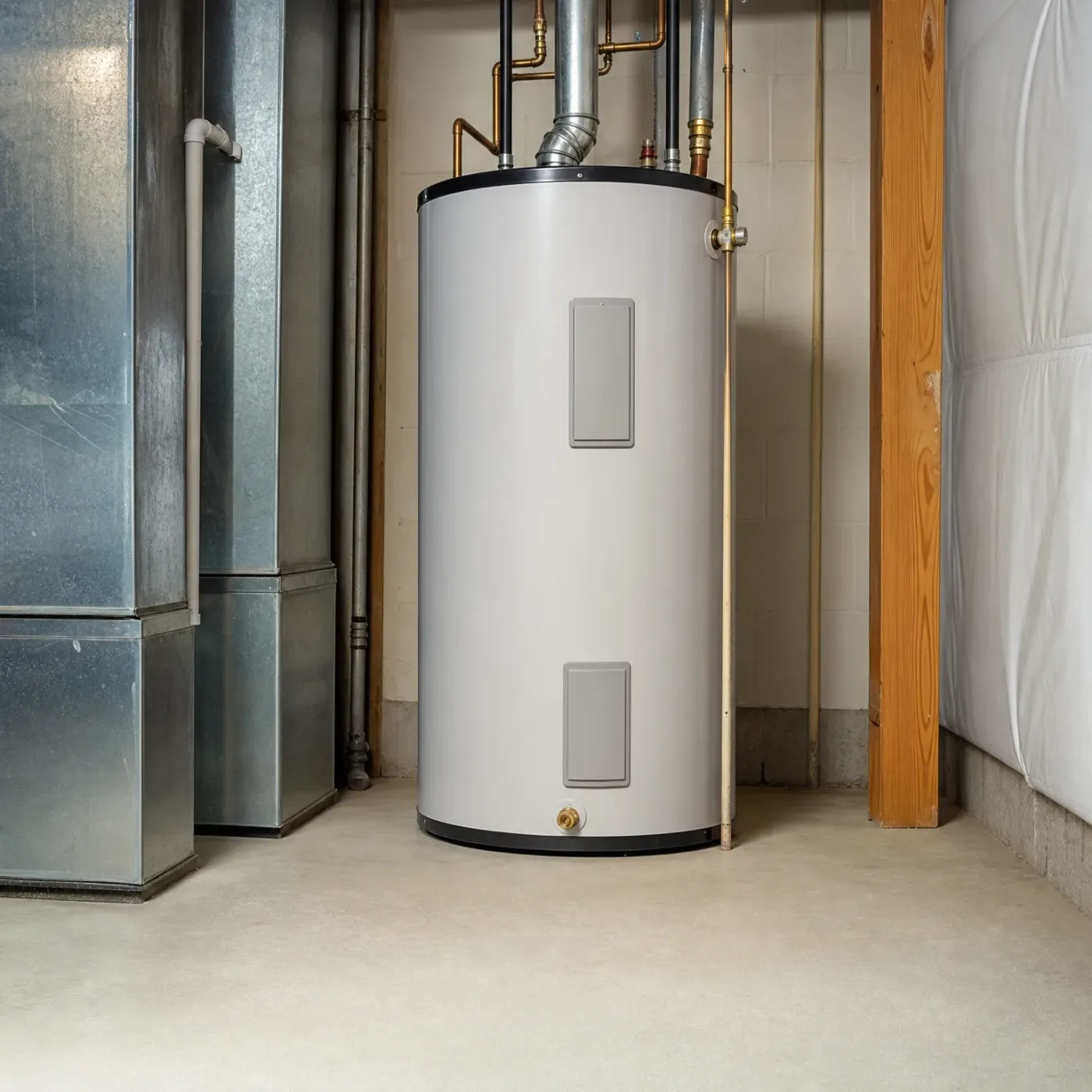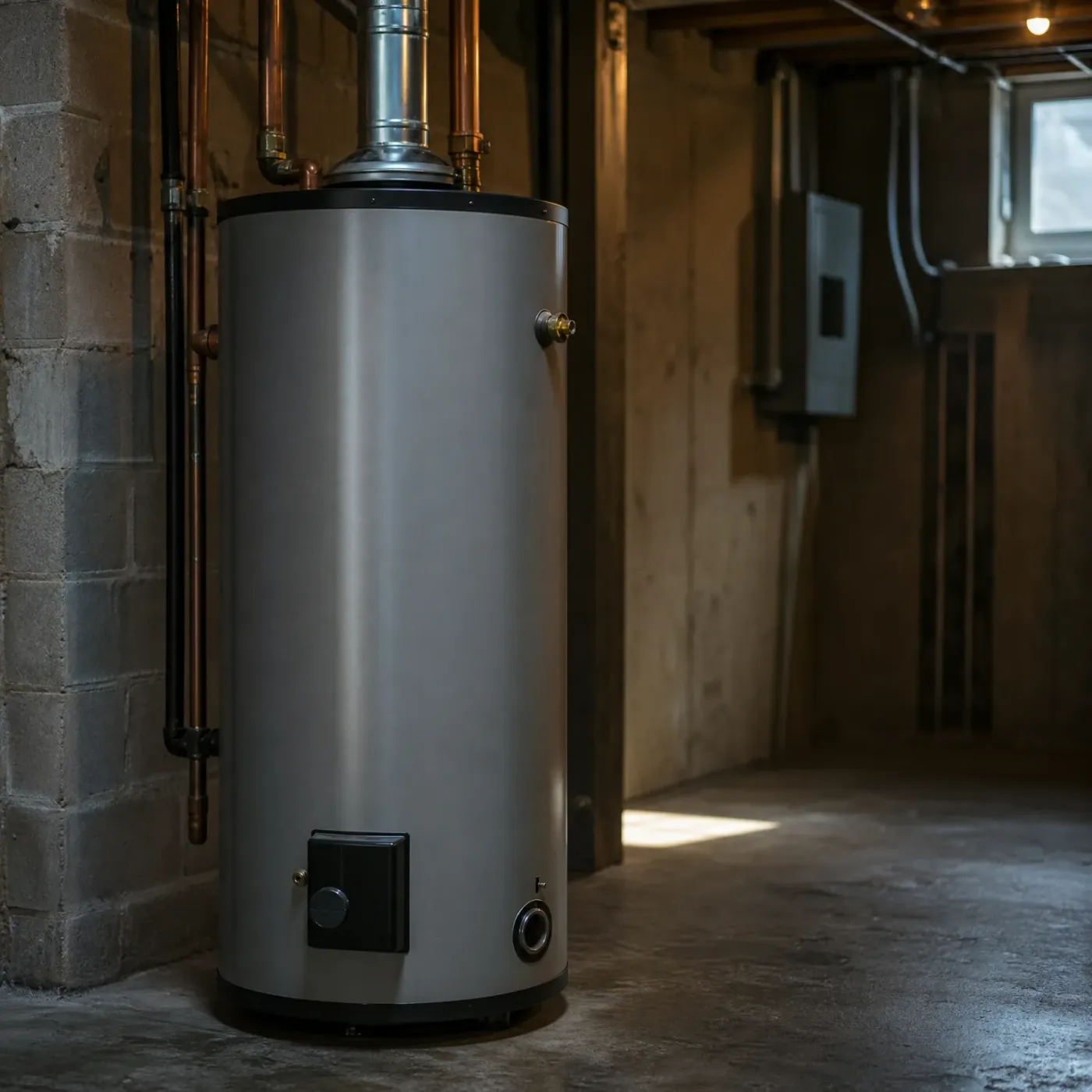




A gray cylindrical gas water heater with a metal flue pipe and copper supply lines stands against a concrete block wall in a dim basement with a concrete floor and a small window.

Done looking for a water heater pro

Water heater pilot light out in Springfield, MO

A pilot that won't stay lit usually means a worn thermocouple, a clogged orifice, or a draft near the burner, and figuring out which one it is means getting eyes on the unit. Greene County winters are cold and most homes here run on gas, so a water heater that's out matters fast. This page gets into what might be behind it and gets you to someone who can get it relit for good, without you having to track that person down yourself.

Hand off my repair

A pilot light that's out means the safety valve shut off the gas because the flame wasn't sensed burning steady. Most of the time it's the thermocouple, the small part that sits in the pilot flame and tells the gas valve it's safe to stay open. Once it wears out or sits slightly out of position, it can't hold that signal and the valve closes the gas, even after you relight it. Sometimes the problem is simpler: a clogged pilot orifice starving the flame, or a draft from a vent or a nearby door pulling it out. You can try relighting it yourself following the plate on the tank, but if it won't hold a flame after a couple of tries, the part needs replacing. With cold weather settling into Greene County and most homes here running on gas, a water heater that won't light is worth getting looked at before you're out of hot water altogether.

A smiling man with dark curly hair in a dark green henley shirt sits on a light sofa in a living room with large windows, a lamp, shelving, a stone fireplace, and a bowl of popcorn in the foreground.
A smiling man in a dark long-sleeved henley shirt sits on a beige sofa in a living room, with a bowl of popcorn and a remote on the table in the foreground and shelves, a lamp, and a doorway behind him.
A smiling man with graying hair and stubble in a blue henley shirt sits on a gray sofa with cushions in a living room, with a bowl of popcorn on a wooden table in the foreground.
A smiling man in a dark green long-sleeve shirt reclines on a sofa in a dimly lit living room, with a bowl of popcorn on a side table in the foreground and a bookshelf, lamp, and houseplant behind him.

Why the flame won't catch

A thermocouple that's gone weak reads the pilot flame as too faint even when it's lit right in front of it, so the gas valve cuts off within a minute. This is the most common reason a pilot won't hold, and it shows up more after years of service as the part wears down from constant heat. A clogged orifice does something similar but for a different reason. It starves the pilot of gas so the flame burns small and cool, too weak for the thermocouple to register as safe.
Why some homes see it more

Gas water heaters pull combustion air from around the tank, so anything disturbing that air near the burner can snuff a weak pilot out. A draft from a nearby vent or a door swinging past the closet can do it. In a county where most homes run on gas and winters get cold enough that the heater works harder for months at a time, that steady use adds wear to the thermocouple faster than it would in a home where the tank sees light use most of the year.

Power here costs 12.46 cents per kilowatt-hour

At 12.46 cents per kilowatt-hour, relighting the pilot won't touch your electric bill, since the tank runs on gas. But the igniter and any electronic controls on newer units still draw a small amount of power, so a breaker that tripped is worth checking before you assume the thermocouple's the problem.

EIA-861 2025

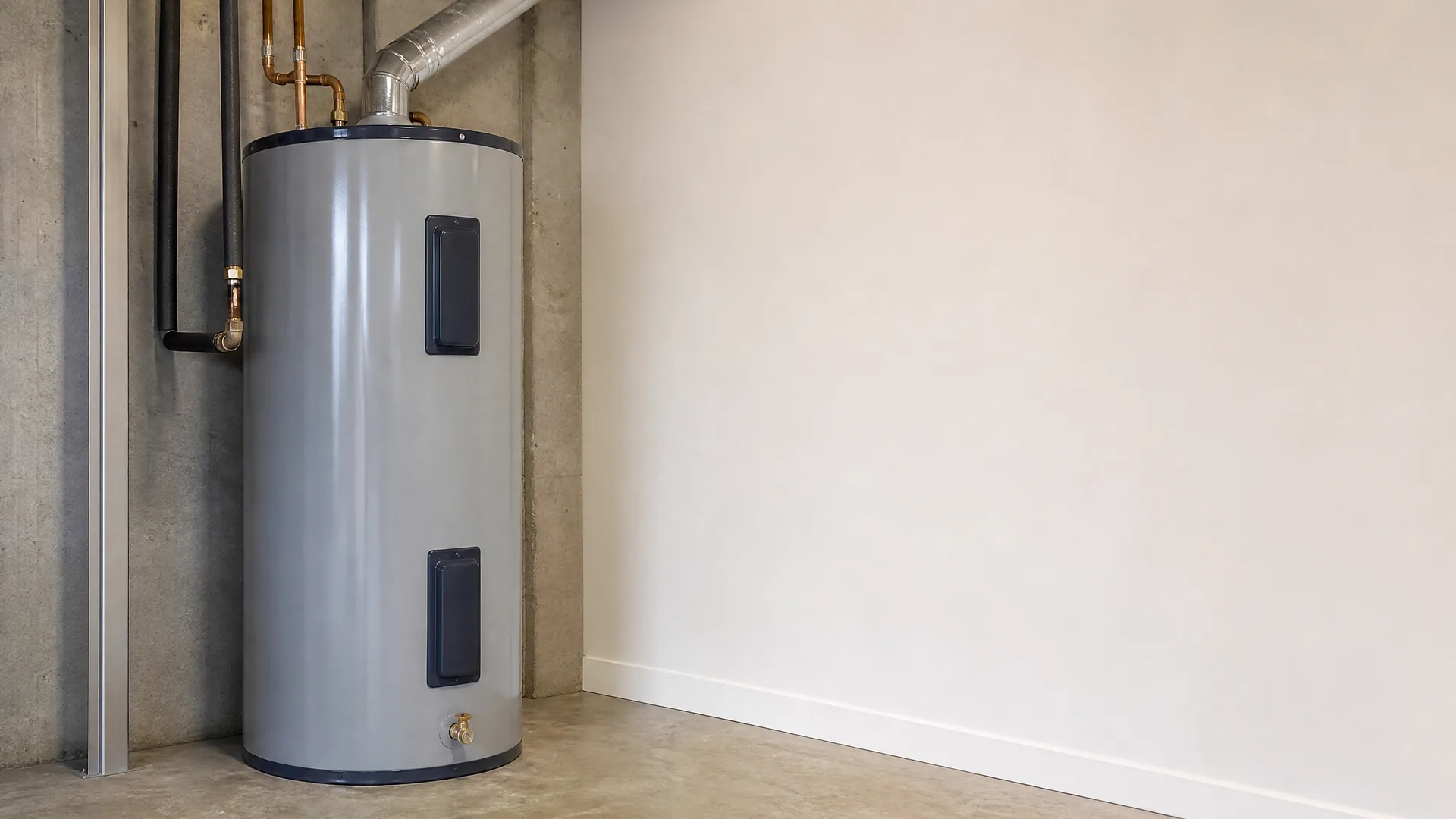
A gray cylindrical electric water heater with two access panels stands against a concrete wall beside copper and black pipes, next to a plain white wall and concrete floor.

Relighting it yourself

Most gas water heaters have the lighting steps printed right on the tank, usually on a label near the control valve. If yours still has that label and the gas valve is set to pilot, you can try it. Turn the knob to pilot, hold it down, and light the pilot with the igniter button or a long lighter while watching for the flame through the viewing window. Keep holding the knob for about a minute before you let go, since that's how long the thermocouple needs to heat up and signal the gas valve to stay open. If the flame won't hold past that, the part has likely worn out.

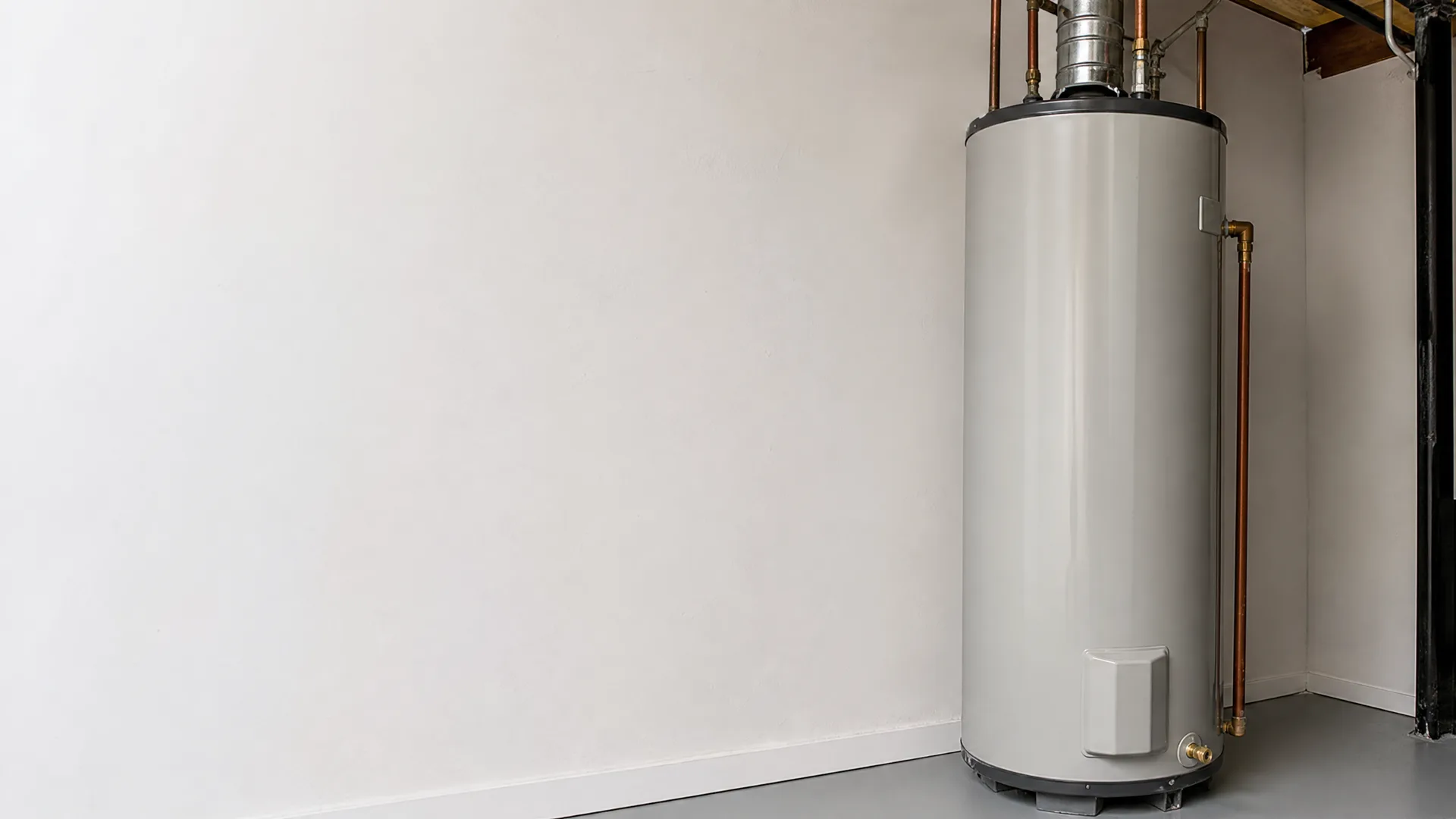
A tall gray cylindrical gas water heater with copper pipes and a metal flue stands in the corner of a room with plain white walls and a gray floor.

When it won't stay lit

If the pilot lights but goes out again once you release the knob, that's the thermocouple failing to hold the valve open, and no amount of relighting fixes it. A clogged orifice or a draft pulling the flame away from the sensor will do the same thing. At that point the valve itself may need testing too. A licensed plumber can check each part in order and replace whichever one has failed, rather than you guessing at it one try at a time.

Why does your water heater keep running out of hot water?

You'll notice it fastest in the shower. The water runs warm for a few minutes, then turns cold, or it never gets hot at all. Check the tank and the pilot window shows no flame, maybe a smell of gas right after you try to light it, or a faint clicking from the igniter with nothing catching. Some households just lose hot water for dishes and laundry too, which adds up over a few days. Left alone, a pilot that won't hold means the water heater can't make hot water at all, and if gas is pooling near the burner instead of lighting clean, that's not something to keep testing on your own.

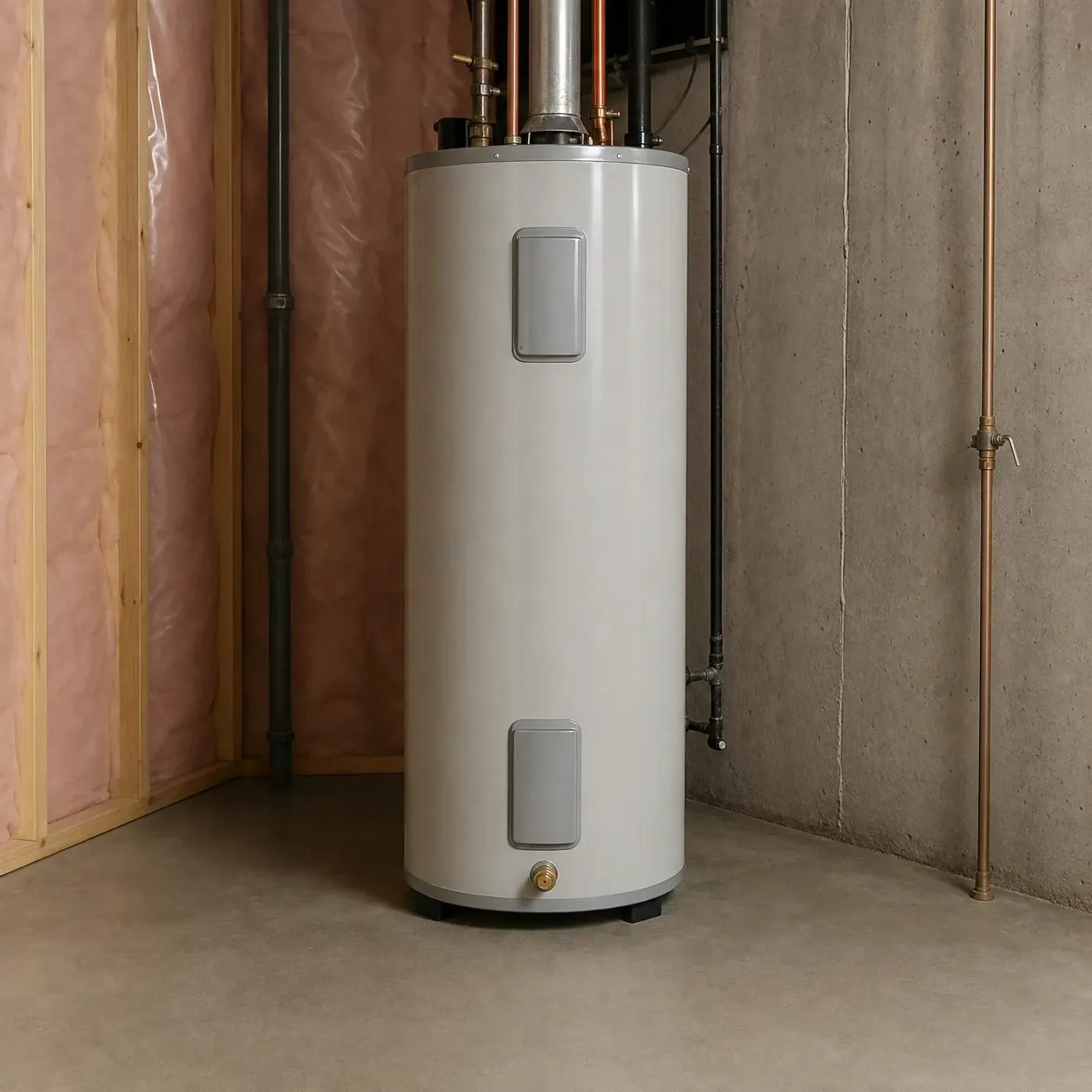
A white cylindrical water heater with two access panels and a brass drain valve stands on a concrete floor in a basement corner, beside a pink-insulated stud wall and a concrete wall with copper and black pipes.

Pilot holding steady

A water heater that's lighting and holding looks like this. The pilot stays lit behind the window, the burner fires when the tank calls for heat, and the connections to the gas line and vent stay tight and dry. No rust creeping up the tank, no scorch marks near the burner door. This is what yours should look like once the thermocouple or orifice is sorted out.

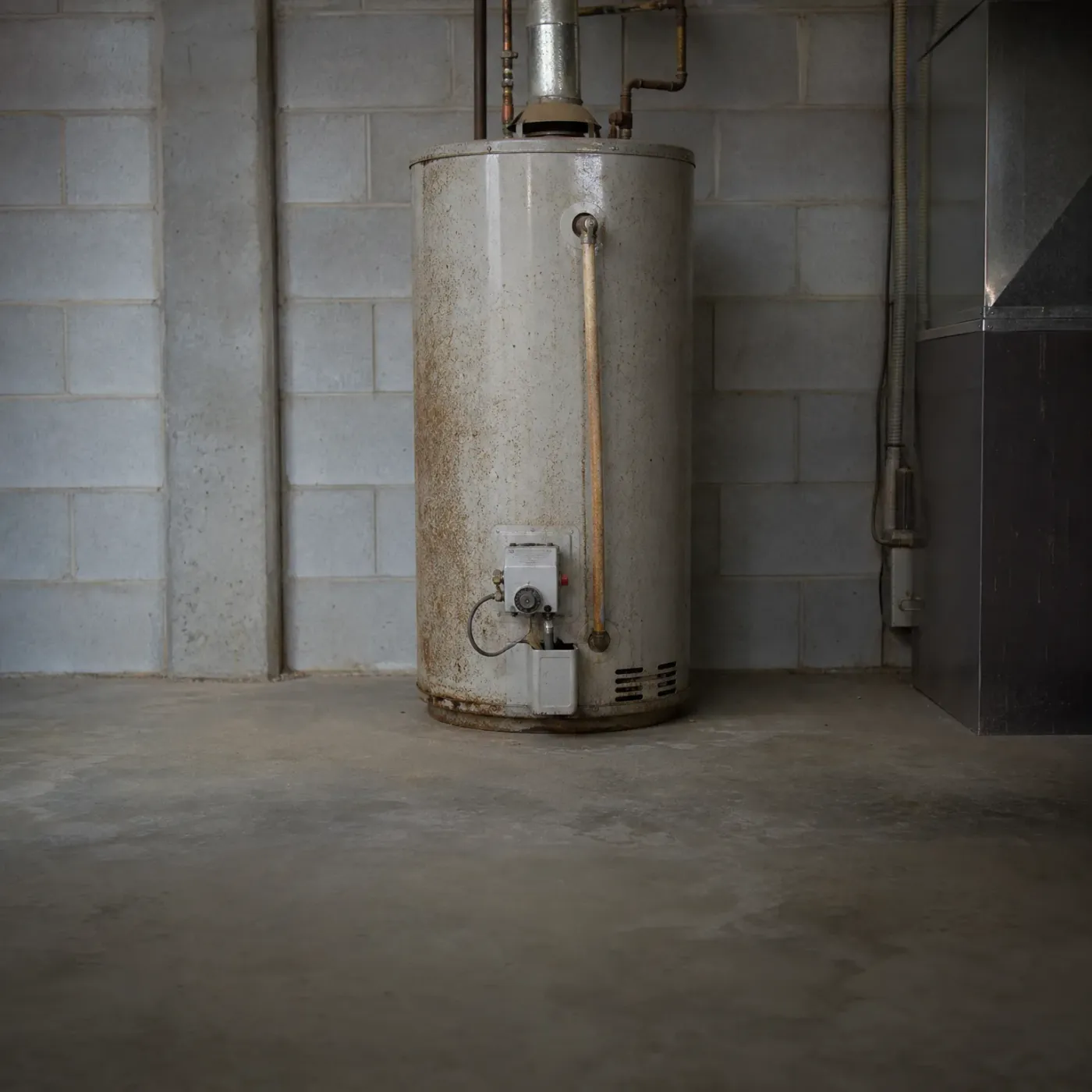
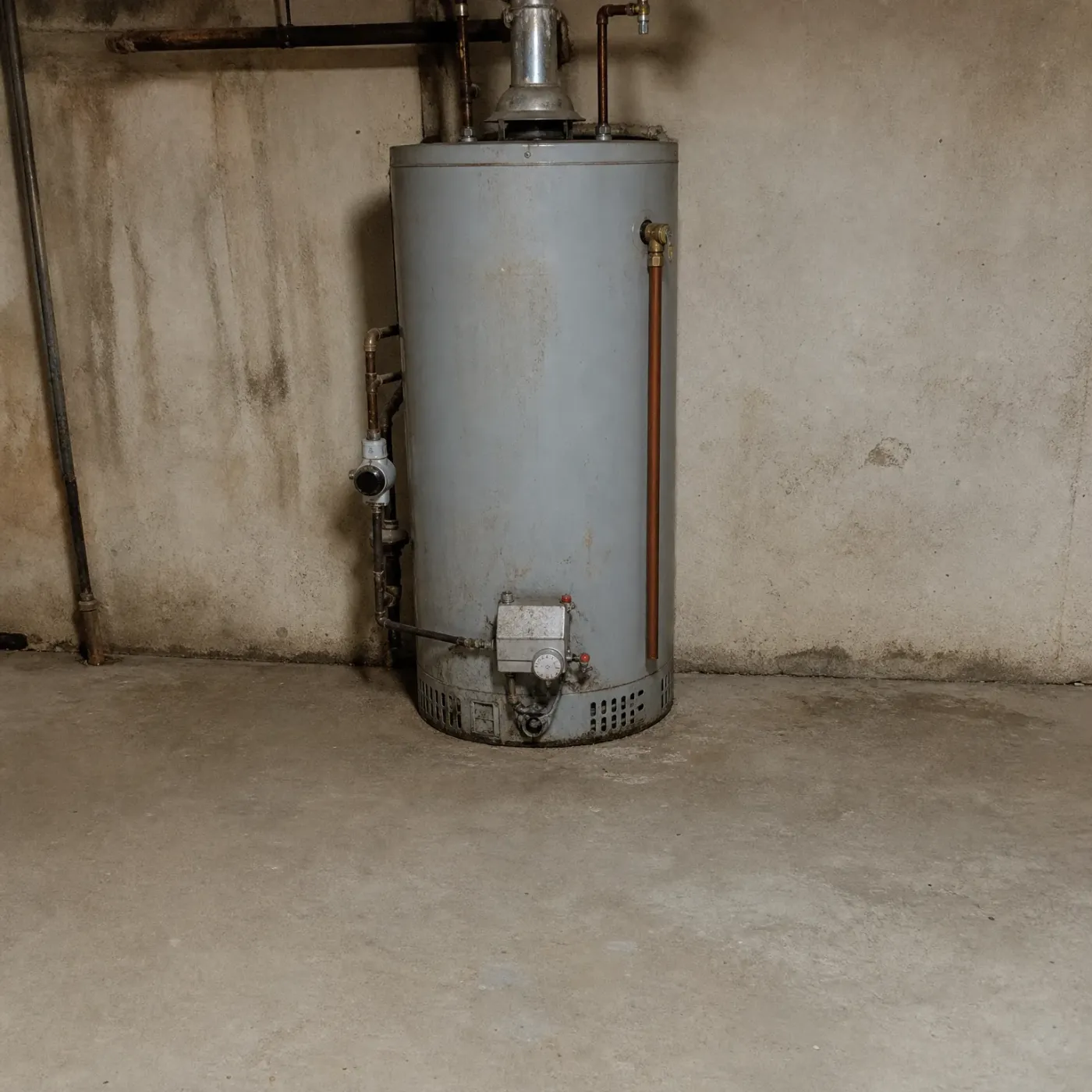
A rusted gas water heater with a flue pipe stands against a concrete block wall on a bare concrete floor, next to a dark metal duct or furnace cabinet at right.

Tank past its working life

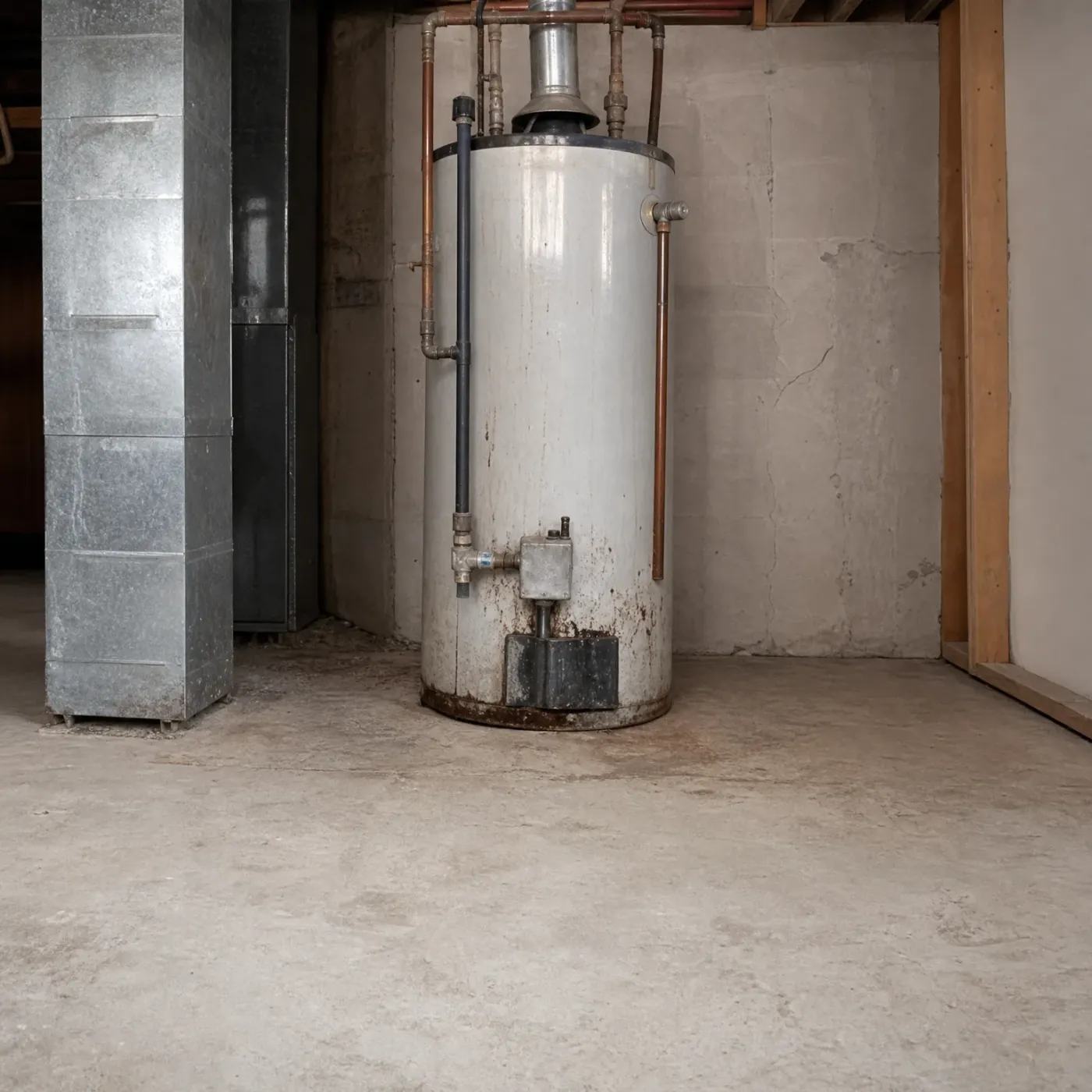
Rust like this on the tank body, especially low near the burner compartment, often means the trouble isn't just the pilot. A thermocouple can be swapped out on its own, but a tank that's rusting through or a burner chamber that's corroded is a sign the water heater itself is wearing out, not just one part of it.

An old rusting cylindrical gas water heater with copper and steel pipes and a flue stands against a concrete basement wall beside metal ductwork on a bare concrete floor.
Before you get your water heater repair
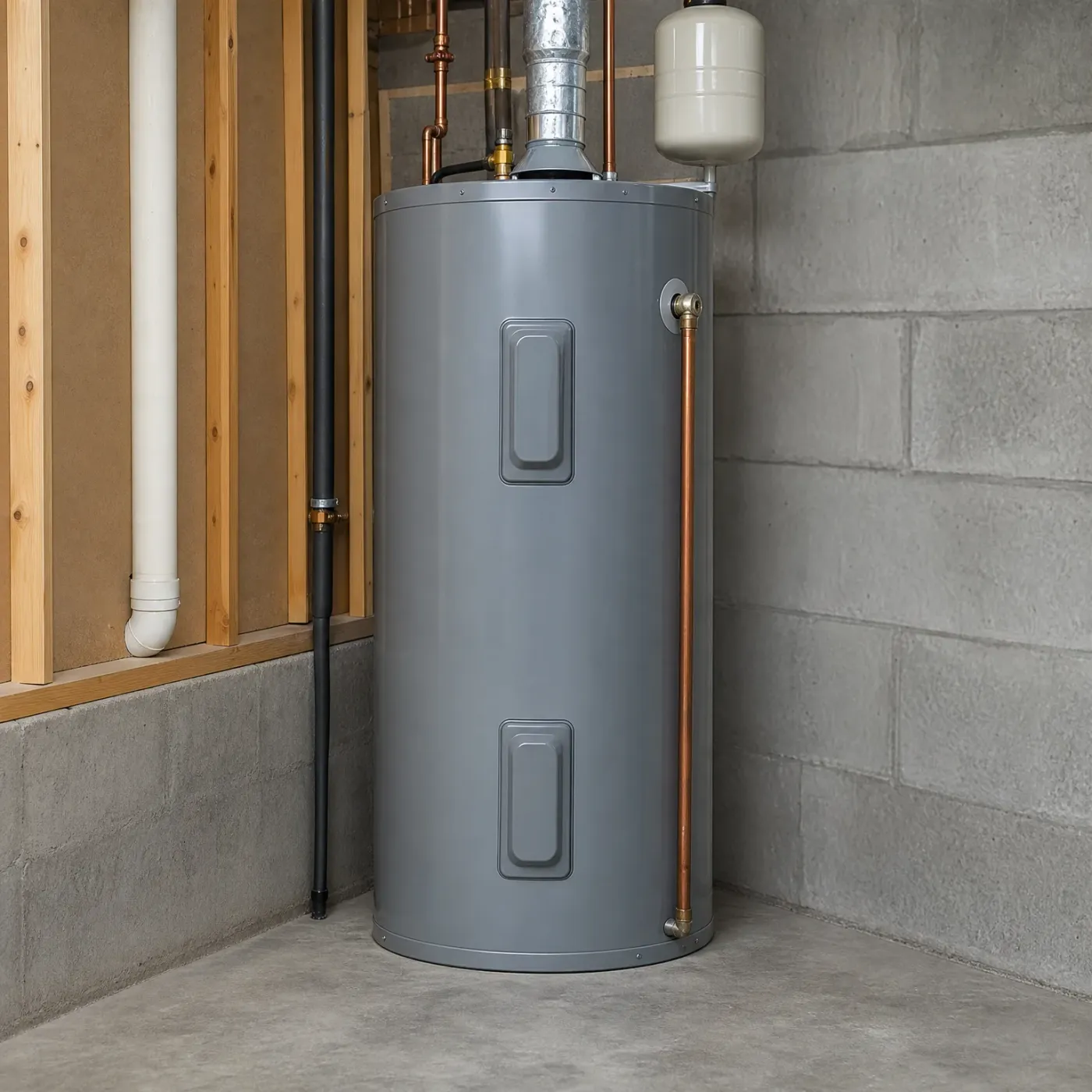
A gray cylindrical water heater with copper piping and an expansion tank stands in a basement corner beside a concrete block wall and exposed wood framing.
After you get your water heater repair

Before you get your water heater repair

Right now you're checking the pilot window every few hours to see if it's still lit, or heating water on the stove to wash dishes. You might have already tried relighting it once or twice, and if it went out again, you're probably searching for what part could be causing it before you call anyone. Some people start looking up thermocouple prices or watching videos on how to pull the burner assembly, trying to figure out if this is something to fix themselves or hand off. Either way, the water in the tank stays cold while you decide, and mornings start with a cold shower until it's sorted. If the house runs on one water heater like most do, everyone's working around the same problem at the same time.

After you get your water heater repair

Once a contractor has looked at the unit, you're not the one deciding whether it's the thermocouple, the orifice, or something with the draft. That gets diagnosed and fixed by someone who does this for a living, not guessed at from a forum post. The pilot stays lit, the burner fires when the tank calls for it, and you stop checking the window out of habit. Showers go back to normal length. Dishes get washed in the sink again. You're no longer the one responsible for knowing which part failed or whether the fix held, because it's been handled by someone licensed to do it. That's the part that changes first, before the hot water even comes back.

A woman in a dark knit turtleneck sweater reclines on a couch under a cream knit blanket, looking down at an open book, with a lit table lamp and framed pictures behind her.
A smiling middle-aged man in a dark green sweater sits at a candlelit table with wine glasses and a plate of greens in a dimly lit interior.

It's off your list after this

A pilot that keeps going out isn't something to keep chasing on your own, especially with cold weather on the way. If relighting it bought you a day or two and then it quit again, that's the thermocouple or the orifice telling you it needs a real look, not another match. Finding someone to take that on usually means searching around, calling a few shops, explaining the same thing three times, then sitting with quotes trying to guess who's worth the money. That's the part worth skipping. A contractor who works on gas water heaters in Greene County can tell you in person whether it's a worn part or something with the draft near the burner, and get the flame holding steady again. Send the request and that search is off your plate. You go back to checking a shower that runs hot, not a pilot window that might be dark again by tonight.

A white cylindrical water heater with two access panels stands on a concrete floor in a basement corner, beside galvanized ductwork, copper and metal pipes, a wooden post, and a concrete block wall.

Working the way it should

The pilot stays lit and the tank heats on schedule. Panels stay closed, the drain valve stays dry, and the copper and galvanized lines at the top show no rust or wet spots. Nothing to check, nothing to relight.

An older gray cylindrical gas water heater with copper and steel piping and a flue, standing on a concrete floor against a stained concrete wall.

Gas valve, no flame

The flue vent sits cold and the gas control at the base has shut the burner off. Check the pilot window and there's no flame behind the glass, just the supply pipes and the relief valve doing nothing while the tank cools.

Who's going to look at your water heater while you wait on hot water?

  • 2.24 people per household on average

    With 2.24 people in the average Greene County household, one water heater is usually carrying the whole house, so a pilot that won't hold affects everyone in it.

  • Half the homes here were built by 1982

    Half the homes in Greene County went up by 1982, so a lot of tanks and gas lines in this area are original to houses that are now over 40 years old.

  • 52.2% of homes heat with gas

    Gas heats more homes here than anything else, 52.2% of them, which is why a dead pilot light is such a common call in this county.

ACS 2020-2024

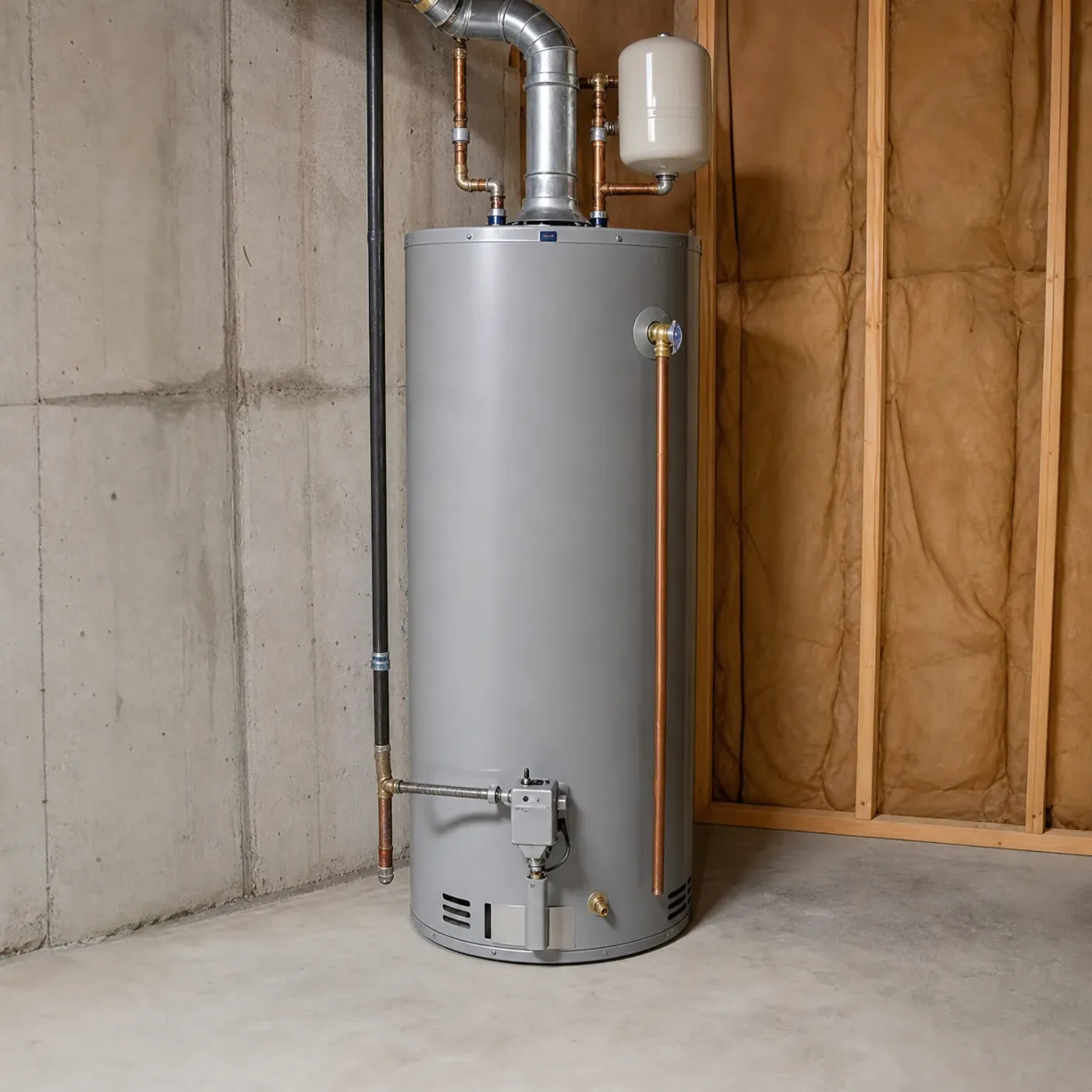
A gray cylindrical gas water heater with copper piping, flue vent, and a small expansion tank stands in a basement corner between a concrete wall and an insulated stud wall.
A tank like this is doing its job. The pilot burns steady, the expansion tank holds pressure, and every joint stays dry.
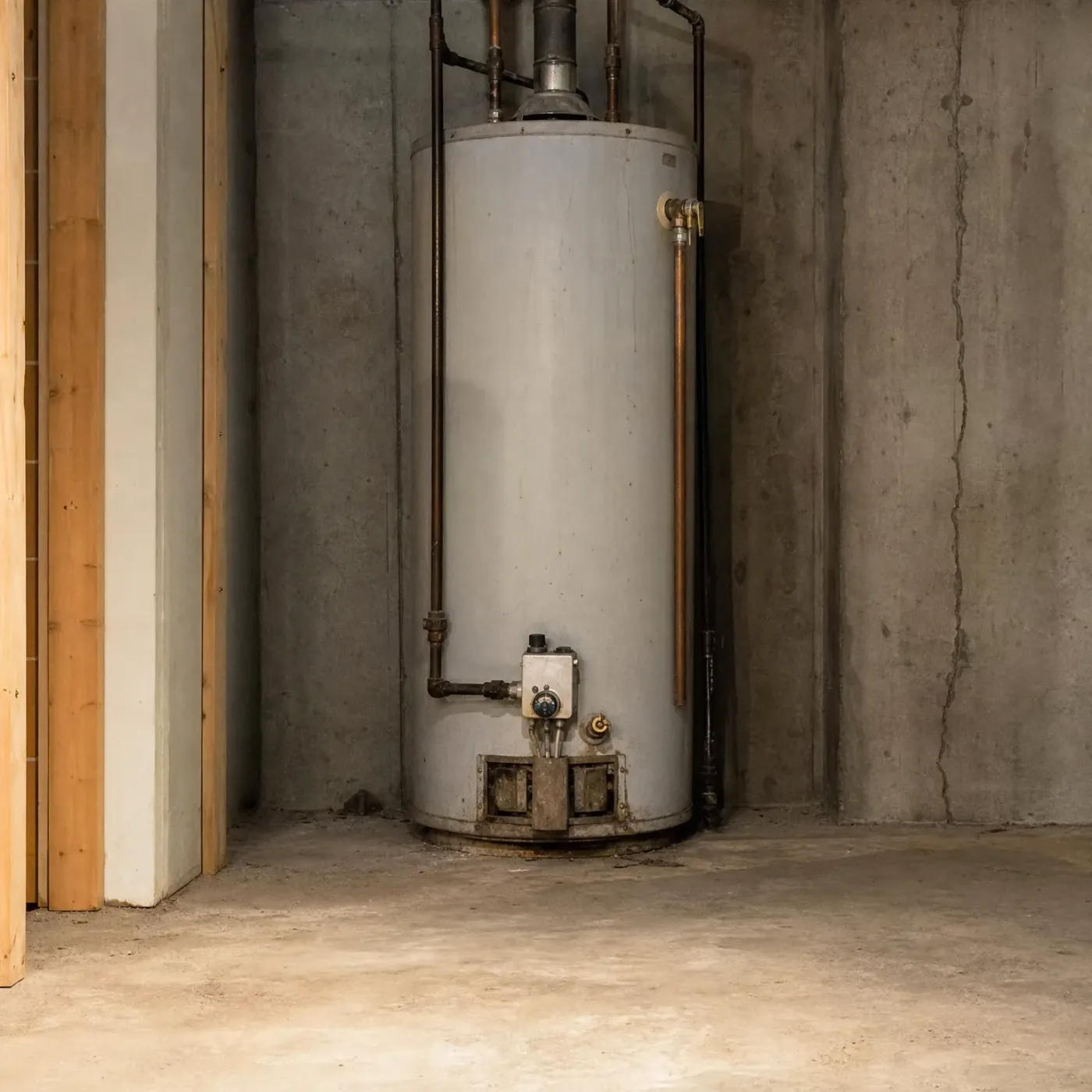
An older gas water heater with copper and black pipes stands in the corner of a bare concrete basement next to a wood-framed partition wall.
A tank like this is past patching. The dial at the base might still click, but a valve this old is near the end of its run.
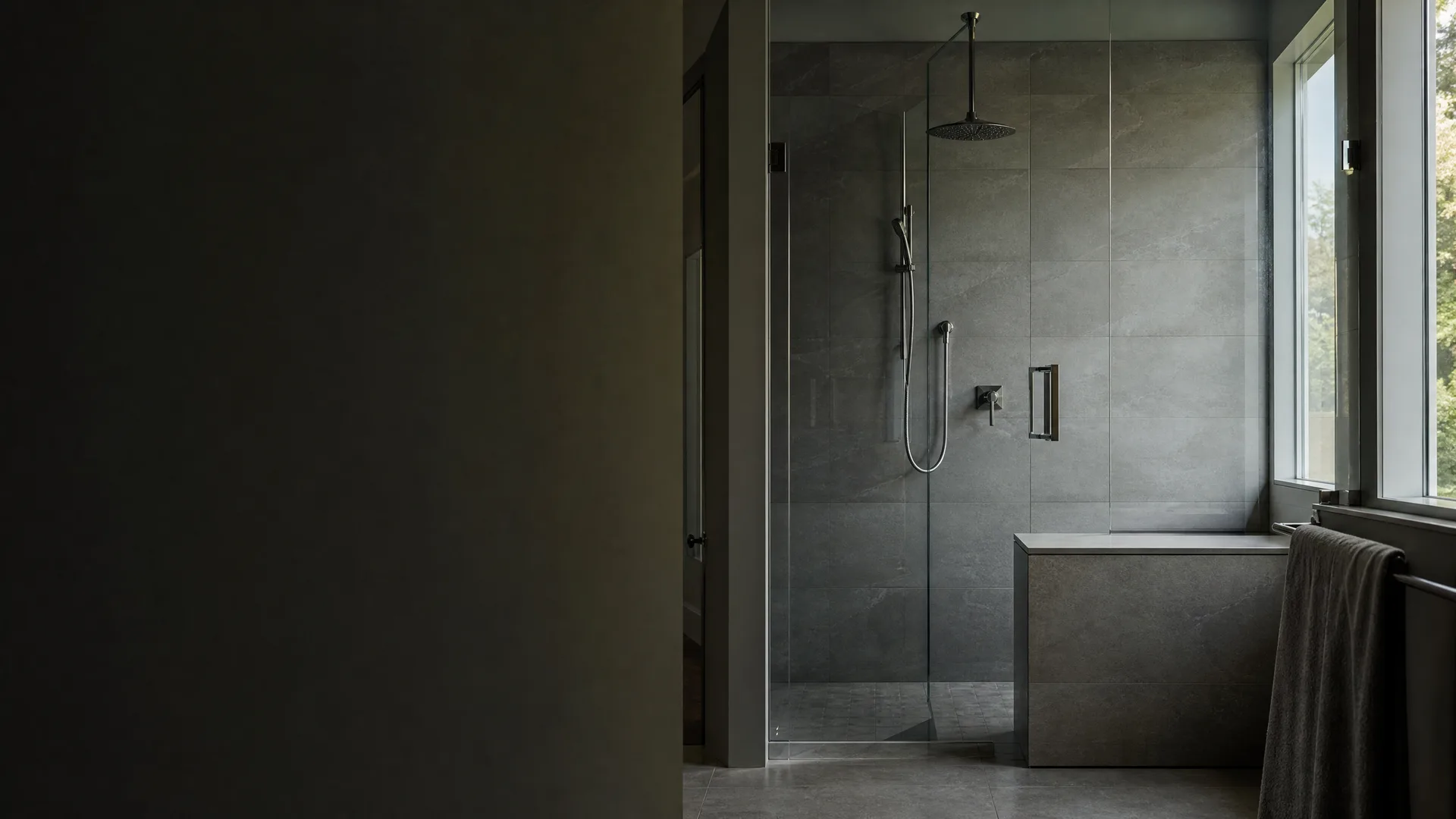
Dimly lit bathroom with a glass-enclosed walk-in shower with rain head and handheld sprayer, gray stone-look tile, a tiled bench, a towel on a rail, and a window with green foliage outside.

Monday morning, upstairs bathroom. You turn the shower on and step back to let it heat up, towel already off the rail. No steam ever comes. You reach in and it's cold, still cold a minute later. Downstairs, the pilot window is dark. It's the second time this week, and the car's got to warm up for ten minutes anyway with Greene County this cold out. You turn the water off, leave the towel where it is, and go check the basement before anyone else gets up and finds the same thing you did.

A closed laptop and a ceramic mug of dark coffee sit on a wooden table, with a blurred kitchen counter, potted plant, wooden utensils and cutting boards, and a large window in the background.

A pilot that won't hold is a part telling you it's done

A pilot light out almost always comes back to the thermocouple, the orifice, or a draft pulling at the flame. Relighting it tells you which kind of problem you have. If it holds, you bought yourself time. If it goes out again in a day or two, the part needs replacing, and that's a job for someone who works on gas valves for a living.

Right now that means checking the pilot window morning and night, maybe showering cold or heating water on the stove, and wondering if tonight's the night it holds. Sending in the form means you stop doing the part that's been eating your evenings, the calling around, the explaining the same problem twice to two different companies, the comparing of quotes you don't know how to judge. A licensed contractor gets the details instead, and the finding-someone part of this is off your plate.

A mug and a small round vase sit on a wooden windowsill beside sheer and heavier curtains, with blurred autumn trees seen through the rain-speckled window and a sofa with cushions and a throw in the foreground.
A single-story house with horizontal siding and large windows lit from within at dusk, beside a lawn, low path lights and a dark gravel driveway, with pine trees and a distant waterway under an orange and blue sky.

Water Heater Repair

Hand off the search today

Step 1 of 3: Equipment
  • A beige upholstered armchair with a green cushion and a knitted throw sits beside a window with a rain-speckled pane, with a lit table lamp and bookshelf behind and a wooden side table holding a ceramic mug and a book.
    • Your request goes to a Greene County pro who takes water heater jobs.
    • Get matched with someone who does this kind of work in Greene County.
  • A ceramic table lamp with a wide linen shade and a dark wooden bowl sit on a round wood side table beside a beige upholstered sofa with a chunky knit throw, in front of a curtained window.
    • After this form, you can stop searching for a water heater pro.
    • Send it once and finding someone is no longer on you.
  • A living room with a light gray sectional sofa holding brown and cream textured pillows and a knit fringed throw, a rustic wood coffee table with stacked books and a stone vase of olive branches, built-in shelves with pottery, and a tall olive tree beside a curtained window.
    • One form replaces the calls you'd make to find a water heater pro.
    • Describe what your water heater is doing once, in one form.
  • A ceramic urn-shaped table lamp with a mottled gray glaze and beige drum shade sits on a dark wood side table beside a potted green plant, next to a light beige upholstered sofa and a framed artwork on a gray wall.
    • A licensed pro who repairs water heaters in Greene County gets your request.
    • The pro who gets in touch is licensed in Missouri and works in Greene County.