Tell us about the job
Takes about a minute. No obligation.
Gas supply, venting, and combustion air are decided before a contractor quotes a water heater replacement here. Utility gas heats more occupied homes in Greene County, Missouri than any other fuel, at 52.2% (2020-2024 ACS 5-year). A gas-fired unit draws air and expels exhaust through a configuration that is already built into the house, and a new heater has to match that configuration or the contractor reworks it first. Direct-vent and atmospheric-vent units are not interchangeable, and the flue size, draft hood, and proximity to makeup air all go onto the quote before anyone prices the tank itself.
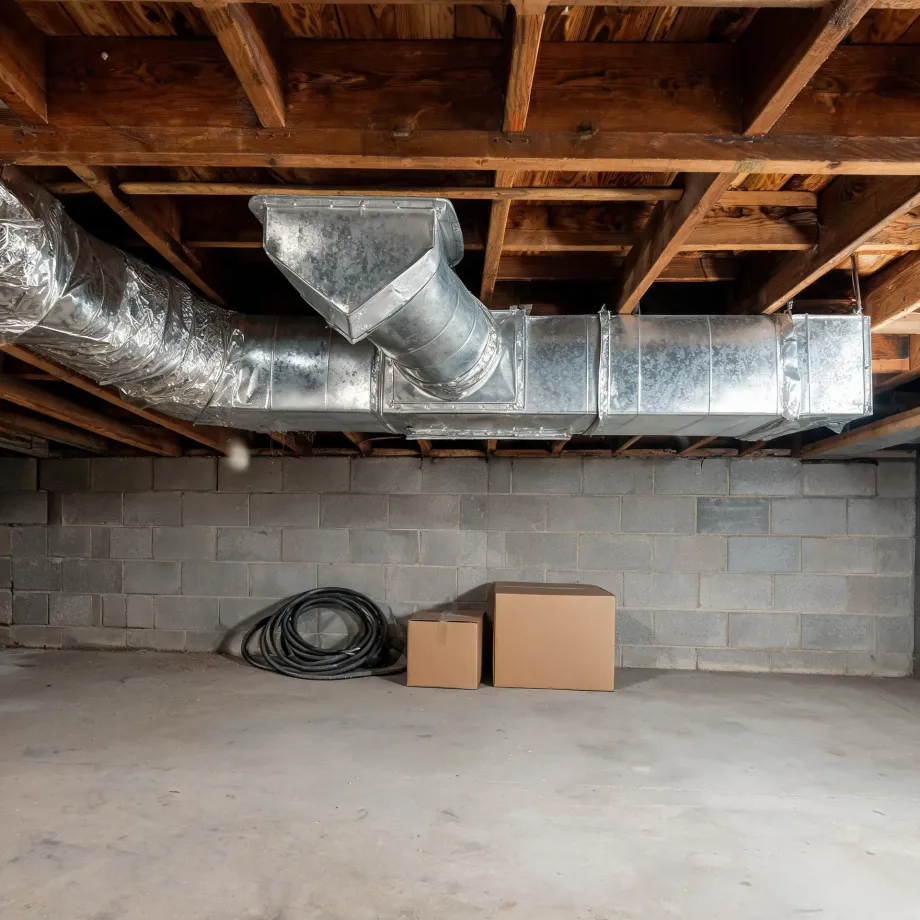
Existing ductwork and electrical service in a house tell a contractor more about the job ahead than the water heater unit itself does. Half the homes in Greene County, Missouri were built in 1982 or earlier (2020-2024 ACS 5-year). That depth of housing stock means the infrastructure in a typical house here was designed around equipment that is no longer in it, and what a contractor finds when they pull access panels determines how the installation scopes out and prices. A unit that fits the spec on paper can still require electrical work before it runs.
What a Water Heater Installation Puts in Your Home
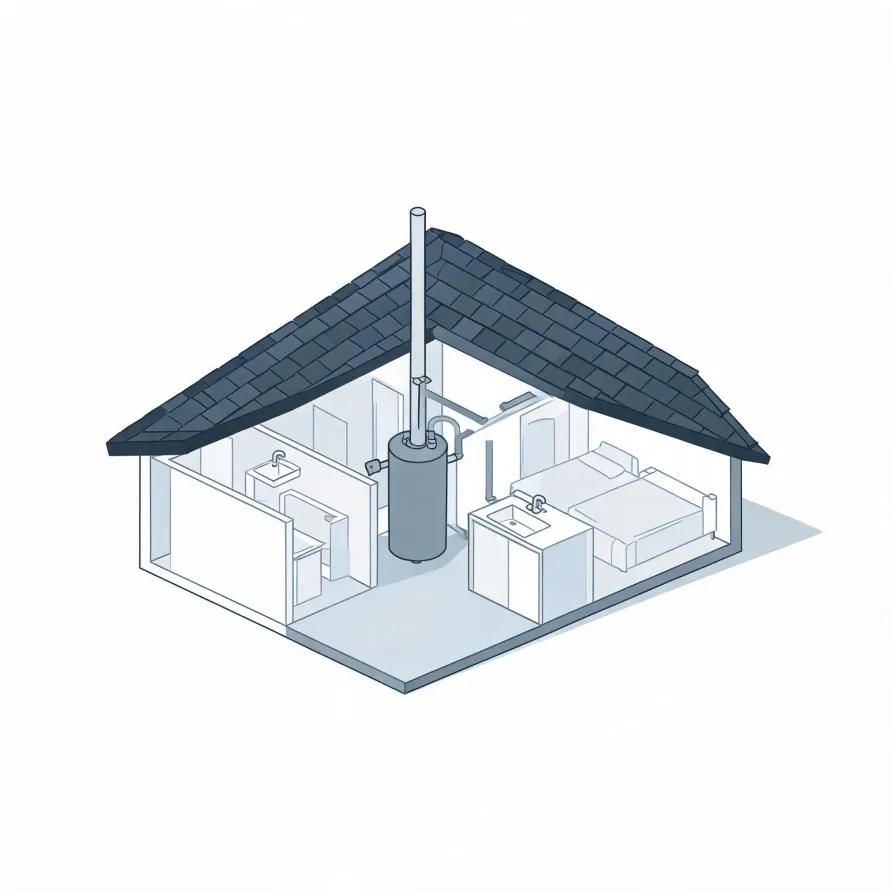
The tank is the piece most homeowners recognize. It sits in a utility room, basement, or garage and holds a supply of water that a burner or heating element keeps at temperature. The pressure relief valve mounts directly on the tank and releases if pressure inside climbs too high.
A cold-water supply line feeds into the tank from above, and a hot-water outlet line carries heated water out to the rest of the house. A drain valve sits near the base of the tank. On gas models, a flue pipe runs from the top of the unit up and out of the house to vent combustion gases.
The drawing shows a typical layout, and a licensed contractor determines exactly what applies to your home.
Get matched in Greene CountyGreene County, by the numbers
474 severe weather events were recorded in Greene County, Missouri between 2015 and 2024.
NOAA National Centers for Environmental Information, Storm Events Database, bulk CSV export, events 2015-01-01 through 2024-12-31.Half the homes in Greene County, Missouri were built in 1982 or earlier (2020-2024 ACS 5-year).
U.S. Census Bureau, 2020-2024 American Community Survey 5-Year EstimatesGreene County, Missouri holds 138,982 housing units (2020-2024 ACS 5-year).
U.S. Census Bureau, 2020-2024 American Community Survey 5-Year EstimatesOwners occupy 57.5% of the occupied homes in Greene County, Missouri (2020-2024 ACS 5-year).
U.S. Census Bureau, 2020-2024 American Community Survey 5-Year EstimatesSevere Weather Events in Greene County
Weather puts a measurable load on water heating equipment. Knowing what the climate here actually does over time gives a clearer picture of what a water heater in Greene County is built to handle and why installation choices are worth making with local conditions in mind.
474 severe weather events, 2015–2024. Source: NOAA National Centers for Environmental Information, Storm Events Database.