Tell us about the job
Takes about a minute. No obligation.
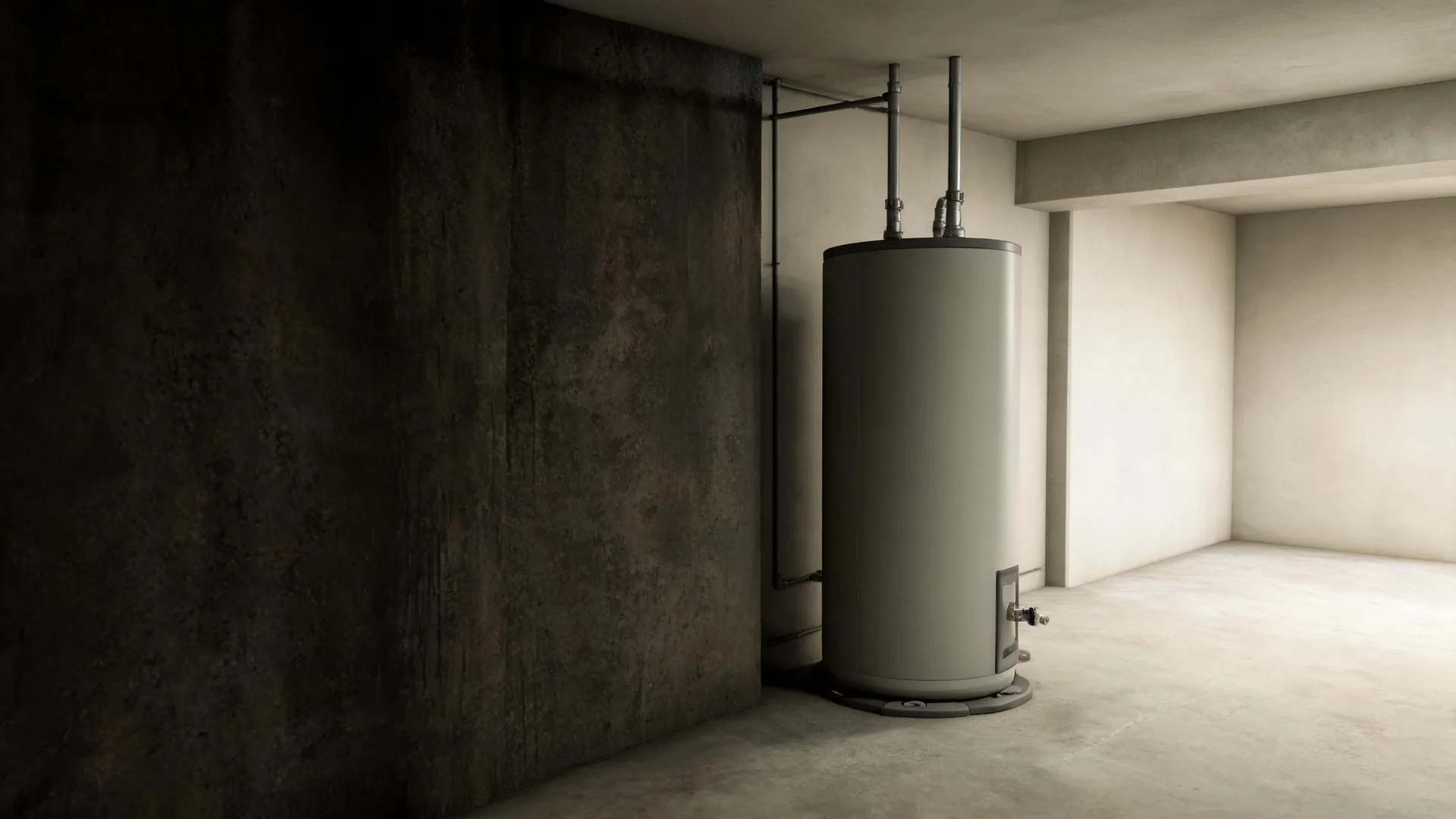
Sizing a replacement water heater in Perry County starts at the breaker box. Electricity heats more occupied homes in Perry County, Missouri than any other fuel, at 44.5% (2020-2024 ACS 5-year). An electric water heater draws a fixed load every time its elements fire, and the contractor has to verify that the panel can carry that demand alongside the rest of the house before committing to a unit. If the service panel is already stretched, the replacement spec changes. Getting that wrong on the quote means the install gets revised on the day, which costs more and takes longer.
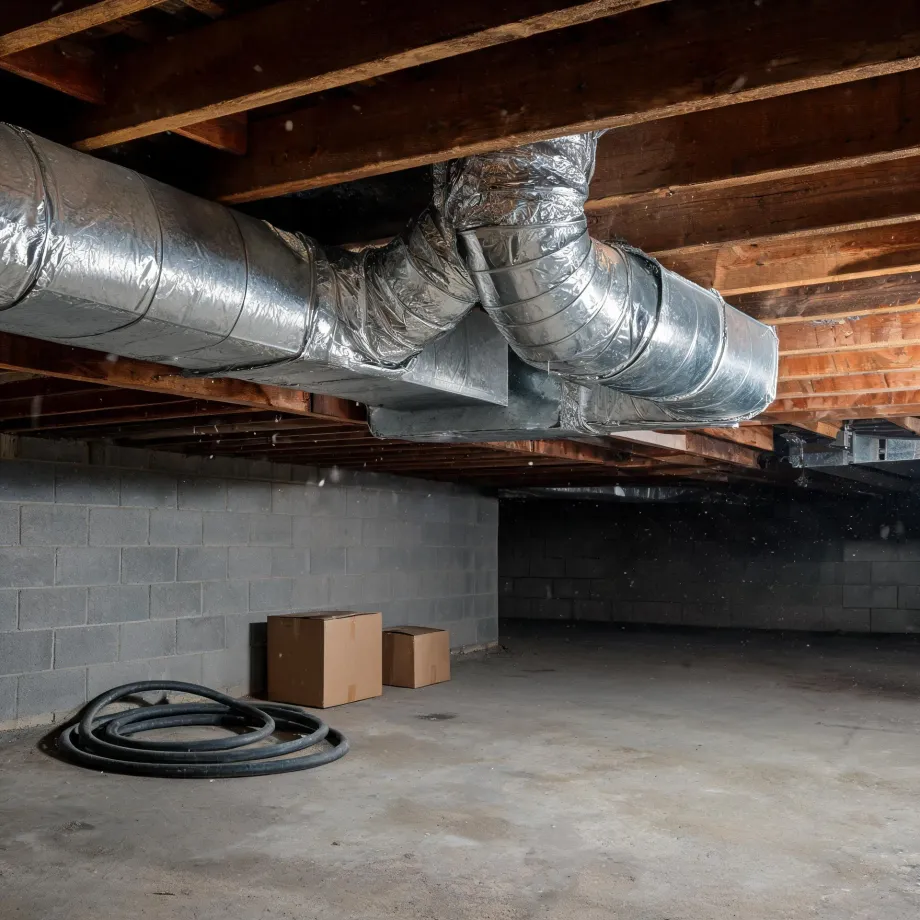
Older ductwork and electrical service were sized for whatever was running in these houses when they were built, and what was running then is not what a contractor is asked to connect today. Half the homes in Perry County, Missouri were built in 1978 or earlier (2020-2024 ACS 5-year). A water heater installation in stock like this turns on whether the existing electrical service can carry the new unit's draw without a panel upgrade. That question gets answered at the house, not from a spec sheet, and the answer changes the scope of the job.
What a Water Heater Installation Puts in Your Home
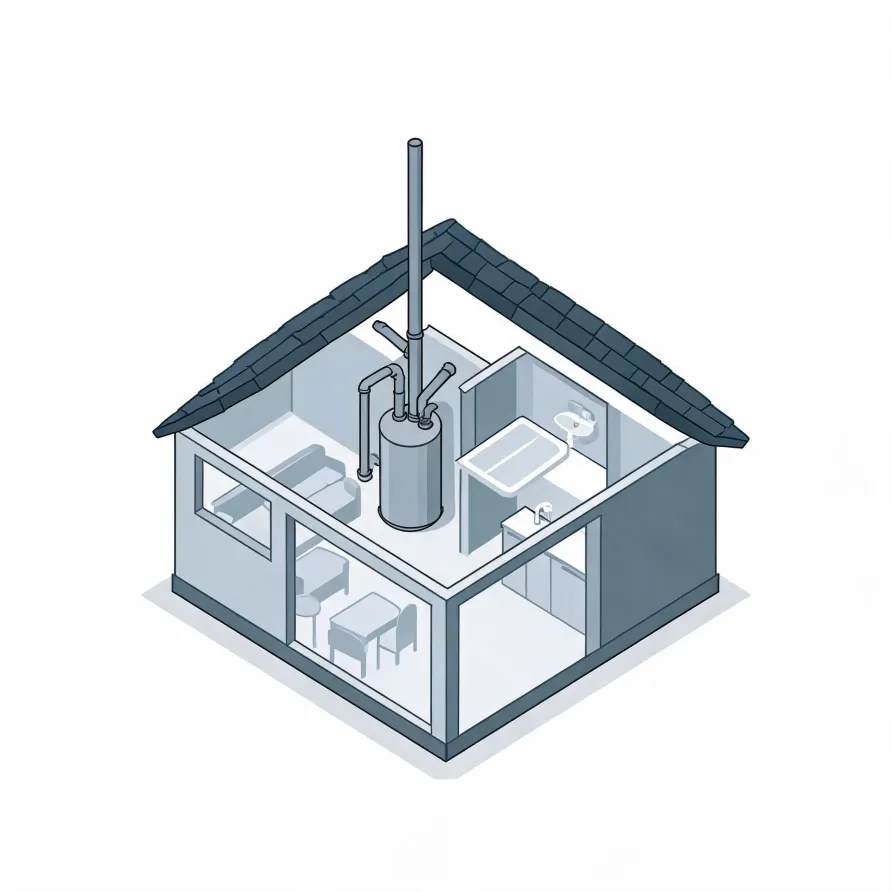
The tank is the piece most homeowners recognize first. It sits in a utility room, basement, or closet and holds the supply of heated water the house draws from. A tankless unit mounts to a wall instead and heats water on demand rather than storing it, but it occupies the same general service position in the home.
Feeding the tank are cold and hot water supply lines, which run through the walls to connect the unit to the rest of the plumbing. A pressure relief valve mounts directly on the tank as a safety device, and a drain valve sits near the base. Gas models also have a flue pipe that exits through the wall or roof to carry combustion gases out.
The drawing shows a typical layout, and a licensed contractor determines exactly what applies to your house and its existing plumbing and utility connections.
Get matched in Perry CountyPerry County, Missouri, by the numbers
97 severe weather events were recorded in Perry County, Missouri between 2015 and 2024.
NOAA National Centers for Environmental Information, Storm Events Database, bulk CSV export, events 2015-01-01 through 2024-12-31.Half the homes in Perry County, Missouri were built in 1978 or earlier (2020-2024 ACS 5-year).
U.S. Census Bureau, 2020-2024 American Community Survey 5-Year EstimatesPerry County, Missouri holds 8,552 housing units (2020-2024 ACS 5-year).
U.S. Census Bureau, 2020-2024 American Community Survey 5-Year EstimatesOwners occupy 76.5% of the occupied homes in Perry County, Missouri (2020-2024 ACS 5-year).
U.S. Census Bureau, 2020-2024 American Community Survey 5-Year EstimatesSevere Weather Events in Perry County
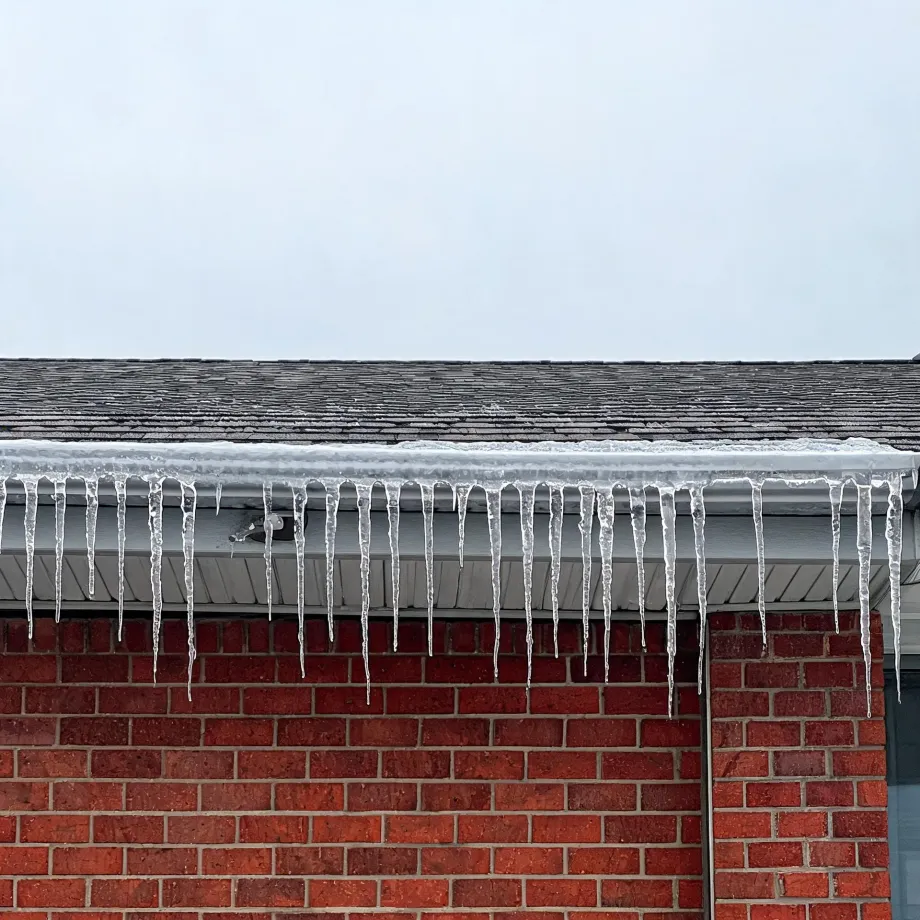
Water heaters work harder when outdoor conditions swing hard, and Perry County's weather record shapes how much a unit is asked to do year after year. Sizing and installing equipment here means accounting for what this county actually puts it through.
97 severe weather events, 2015–2024. Source: NOAA National Centers for Environmental Information, Storm Events Database.