Tell us about the job
Takes about a minute. No obligation.
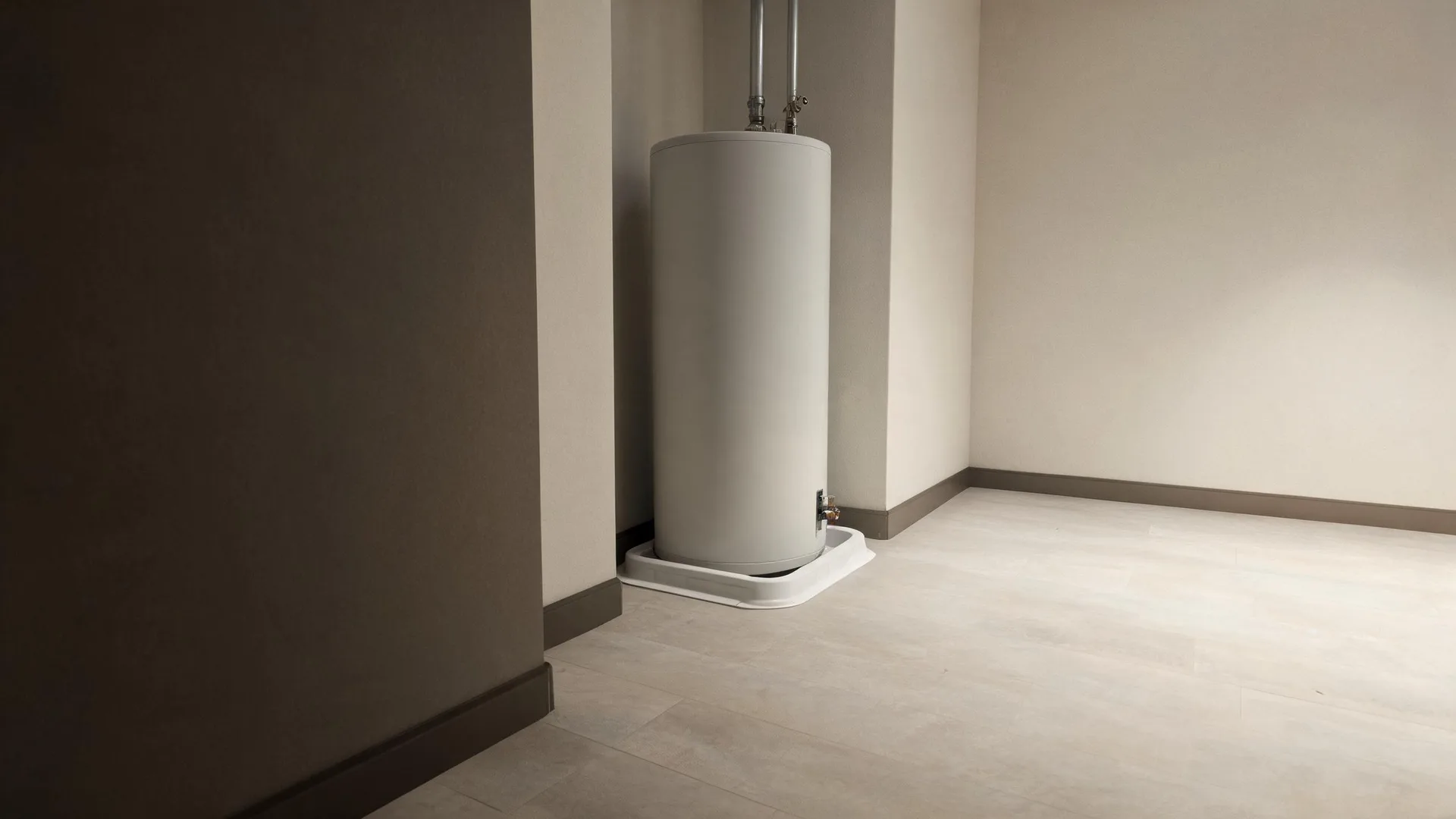
A contractor quoting a water heater replacement in Taney County checks the electrical service before sizing the unit. Electricity heats more occupied homes in Taney County, Missouri than any other fuel, at 82.0% (2020-2024 ACS 5-year). With homes here running almost entirely on electricity, the panel and the circuit feeding the heater carry real weight in what a replacement costs and whether the existing wiring can support it. An undersized circuit forces a separate upgrade. The contractor establishes that first, because the heater choice follows from it.
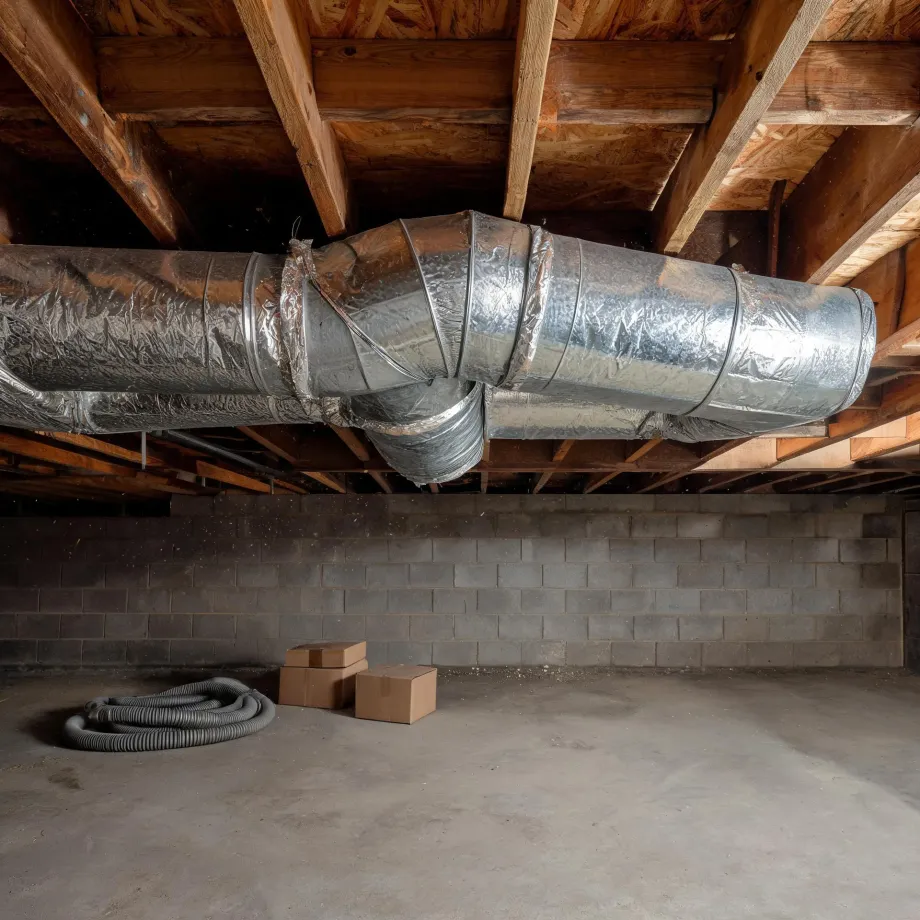
Electrical service panels in a house carry assumptions the original builders never had to revisit, and those assumptions show up the moment a contractor prices a water heater swap. Half the homes in Taney County, Missouri were built in 1995 or earlier (2020-2024 ACS 5-year). A panel sized for the draw of an older unit may fall short of what a modern electric or heat-pump water heater requires, and the gap between what the house has and what the new equipment needs is where the installation cost gets decided. Ductwork is less often the question on a water heater job, but the electrical run to the utility space is.
What a Water Heater Installation Puts in Your Home
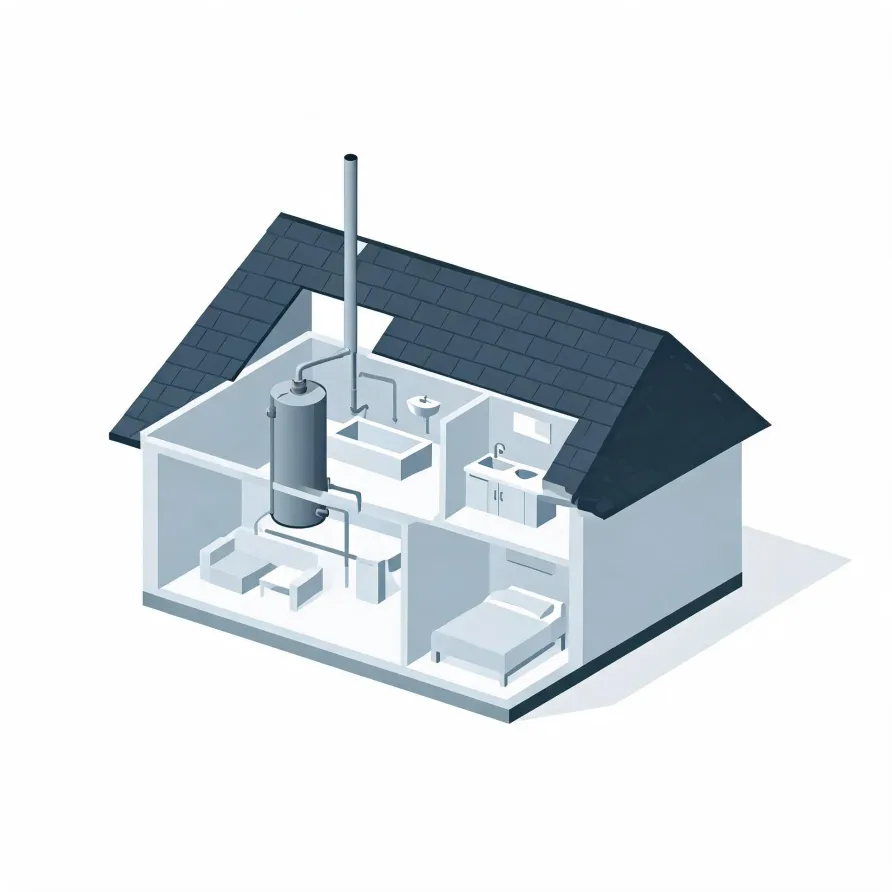
The tank is the piece most homeowners recognize. It sits in a utility room, basement, or garage and holds a ready supply of hot water. A tankless unit mounts to a wall in the same general area and heats water on demand rather than storing it. Either way, the unit is the center of the installation.
Cold water enters through a supply line connected at the top or side of the unit, and hot water leaves through a separate outlet toward the fixtures in the house. A pressure relief valve mounts directly on the tank as a safety device, and a drain valve sits near the base. Gas units add a flue pipe that runs up and out of the house.
The drawing shows a typical layout, and a licensed contractor determines what the installation requires for your specific house.
Get matched in Taney CountyTaney County, by the numbers
253 severe weather events were recorded in Taney County, Missouri between 2015 and 2024.
NOAA National Centers for Environmental Information, Storm Events Database, bulk CSV export, events 2015-01-01 through 2024-12-31.Half the homes in Taney County, Missouri were built in 1995 or earlier (2020-2024 ACS 5-year).
U.S. Census Bureau, 2020-2024 American Community Survey 5-Year EstimatesTaney County, Missouri holds 30,175 housing units (2020-2024 ACS 5-year).
U.S. Census Bureau, 2020-2024 American Community Survey 5-Year EstimatesOwners occupy 67.0% of the occupied homes in Taney County, Missouri (2020-2024 ACS 5-year).
U.S. Census Bureau, 2020-2024 American Community Survey 5-Year EstimatesSevere Weather Events in Taney County
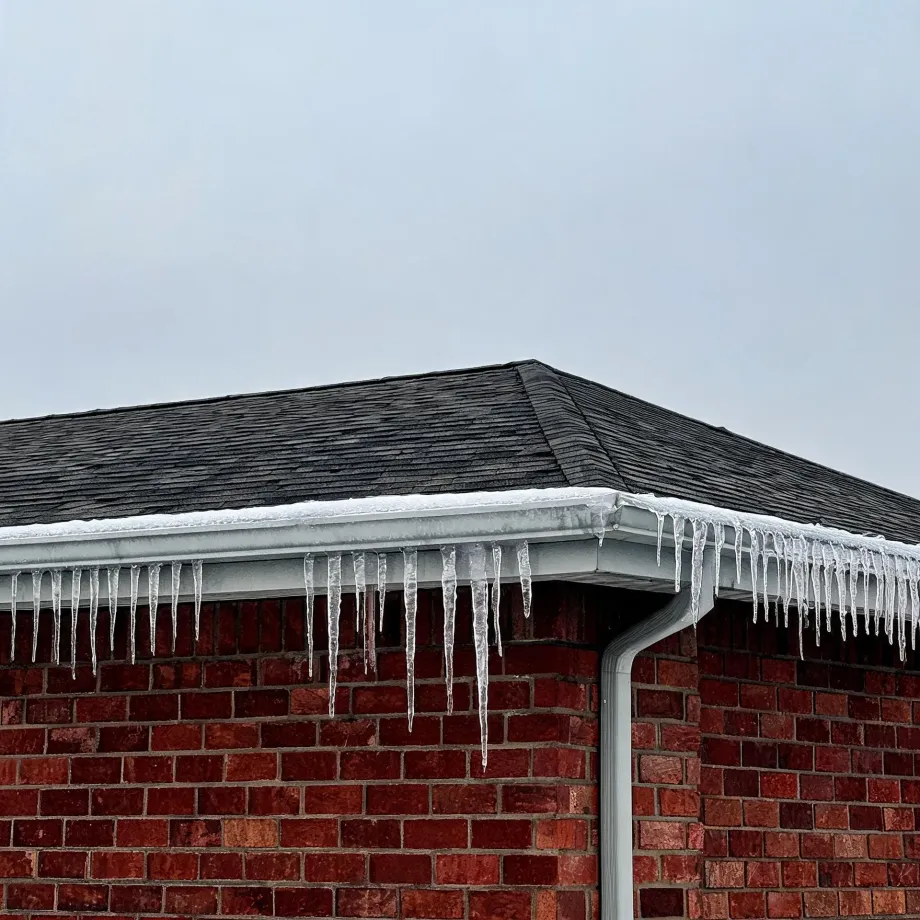
Weather in this part of Missouri puts real demand on water heating equipment, driving it harder through cold snaps and storm outages alike. How often that happens here shapes what a contractor installs and how it is sized.
253 severe weather events, 2015–2024. Source: NOAA National Centers for Environmental Information, Storm Events Database.