Tell us about the job
Takes about a minute. No obligation.
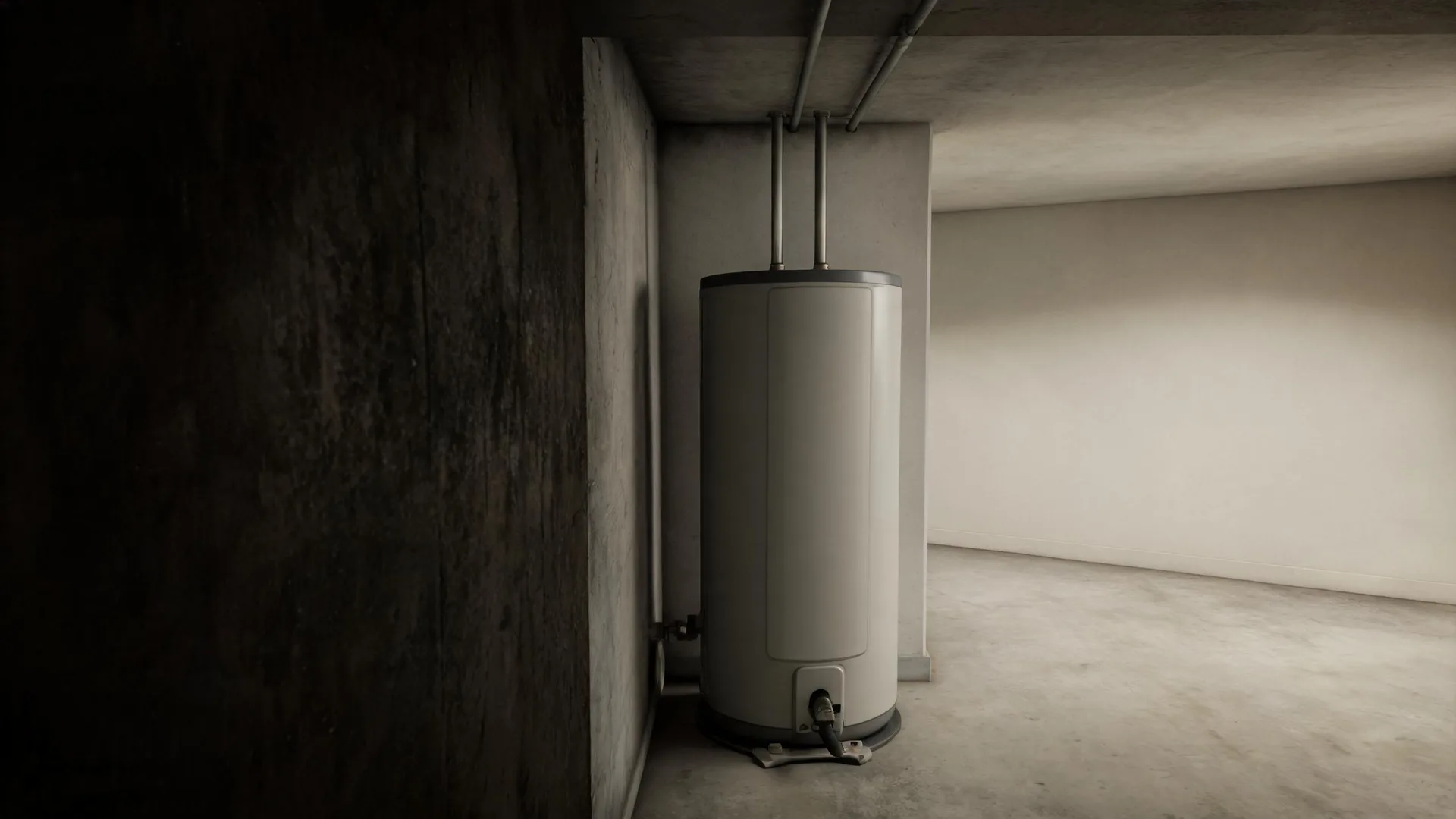
A contractor quoting a water heater replacement in Douglas County works out the venting path and combustion air setup before anything else, because those details are set by what the home already burns. Bottled, tank or LP gas heats more occupied homes in Douglas County, Missouri than any other fuel, at 38.2% (2020-2024 ACS 5-year). An LP-fired heater draws from a pressurized tank and vents combustion gases differently than an electric unit does, so swapping to a different fuel type changes the flue, the gas train, and sometimes the chase itself. A direct replacement of the same fuel type still requires the contractor to inspect the existing vent for clearance and condition before the new unit goes in.
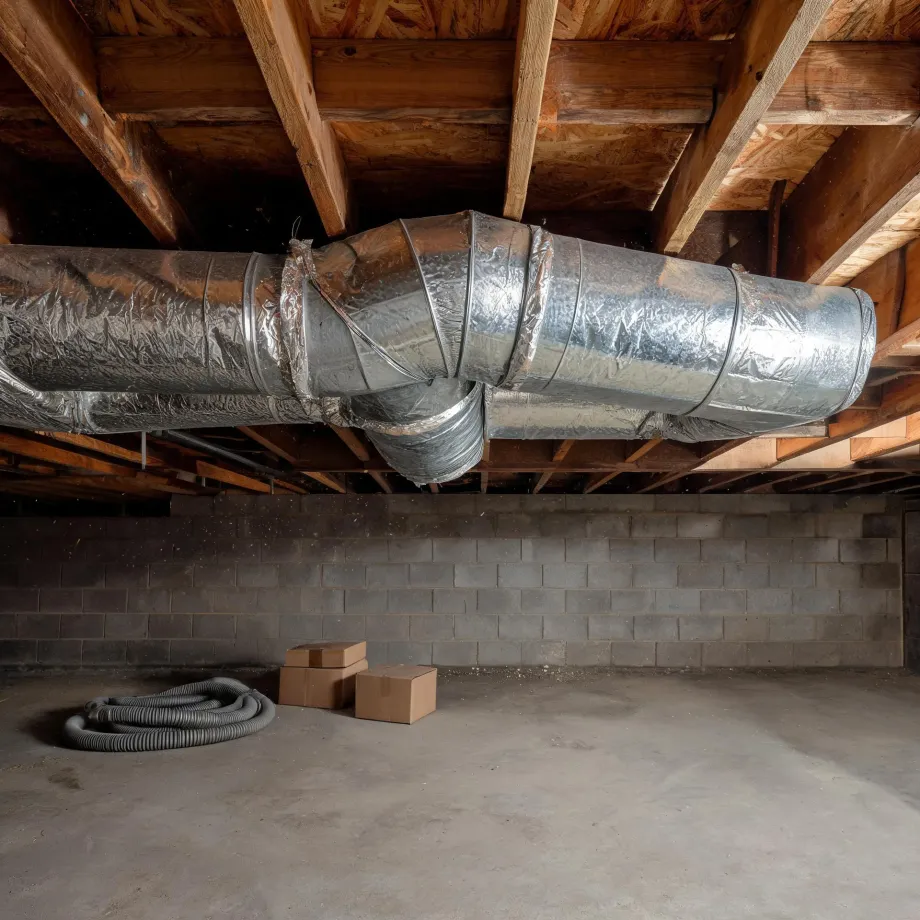
Older electrical panels are where water heater installation in Douglas County often stalls. Half the homes in Douglas County, Missouri were built in 1987 or earlier (2020-2024 ACS 5-year). Houses built in that era were wired for loads that modern water heaters, particularly heat pump models, routinely exceed. A contractor sizing a new unit has to look at the service panel before anything else, and if it cannot carry the draw, the panel work becomes part of the job and part of the price.
What a New Water Heater Installation Covers
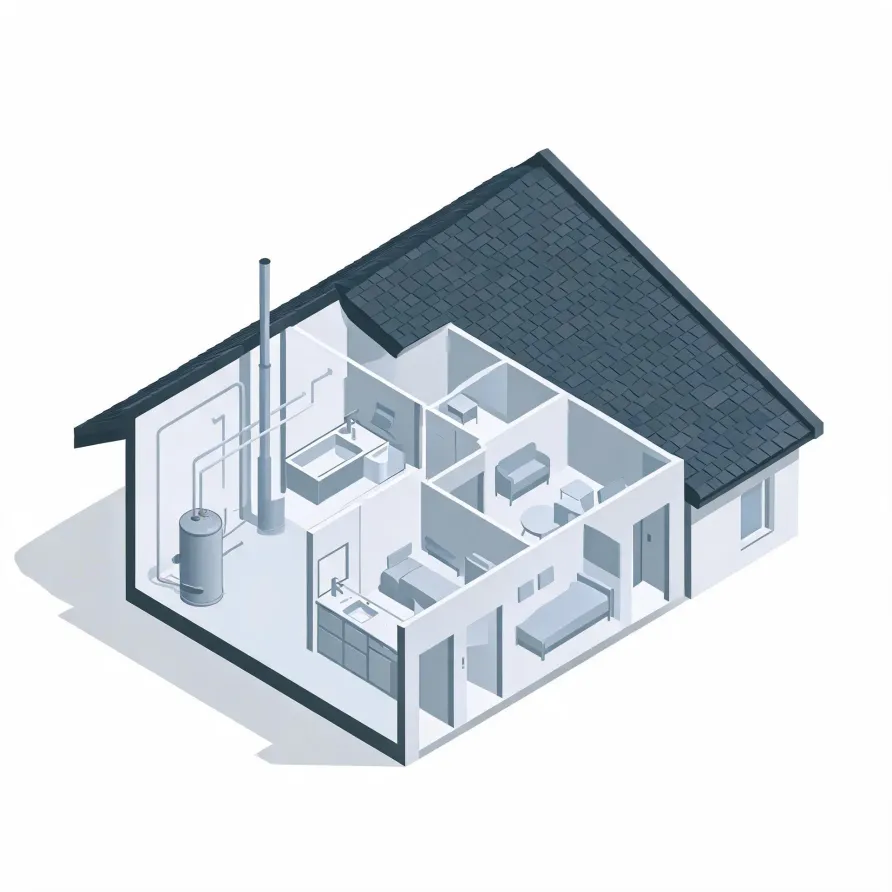
The tank or tankless unit is the heart of the system. A storage tank sits in a utility room, basement, or garage and holds a ready supply of hot water. A tankless unit mounts to a wall in the same spaces and heats water on demand as it passes through the unit.
The cold water supply line feeds into the unit, and the hot water outlet line carries heated water to every fixture in the house. A pressure relief valve mounts directly on the unit and releases if internal pressure climbs beyond safe limits. A drain line or pan sits beneath the unit to handle any discharge.
The drawing shows a typical layout, and a licensed contractor determines what applies to your specific home and its existing plumbing connections.
Get matched in Douglas CountyDouglas County, by the numbers
233 severe weather events were recorded in Douglas County, Missouri between 2015 and 2024.
NOAA National Centers for Environmental Information, Storm Events Database, bulk CSV export, events 2015-01-01 through 2024-12-31.Half the homes in Douglas County, Missouri were built in 1987 or earlier (2020-2024 ACS 5-year).
U.S. Census Bureau, 2020-2024 American Community Survey 5-Year EstimatesDouglas County, Missouri holds 5,391 housing units (2020-2024 ACS 5-year).
U.S. Census Bureau, 2020-2024 American Community Survey 5-Year EstimatesOwners occupy 80.6% of the occupied homes in Douglas County, Missouri (2020-2024 ACS 5-year).
U.S. Census Bureau, 2020-2024 American Community Survey 5-Year EstimatesSevere Weather Events in Douglas County
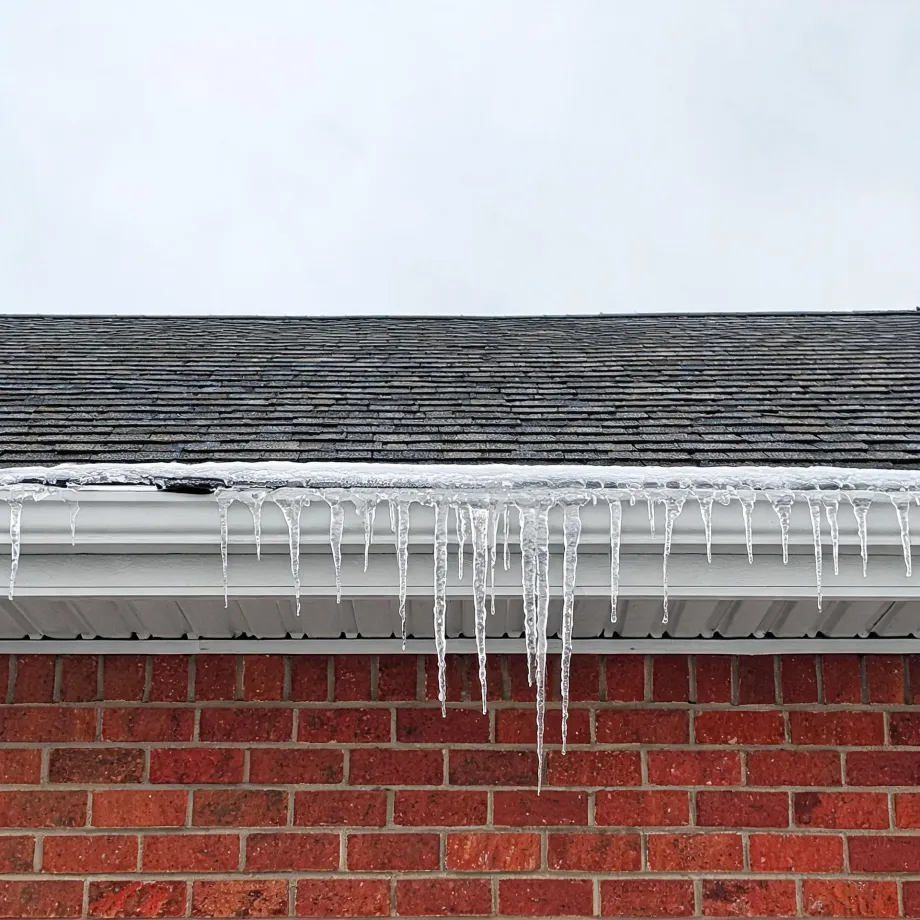
Extreme weather puts a hard load on water heaters, forcing them to work against wider temperature swings and recover faster after demand spikes. How often that pressure hits depends on where you live, which is why local storm history is part of the picture for any installation decision in Douglas County.
233 severe weather events, 2015–2024. Source: NOAA National Centers for Environmental Information, Storm Events Database.