

Flush it now
A contractor can drain the tank and clear the sediment before it packs down harder. The popping usually fades once that layer is gone, and the tank runs the way it did before.
Send the request today and let a water heater pro reach out to you.
That popping comes from sediment sitting at the bottom of your tank. Most homes in Missouri run on hard water, and over time the minerals in it settle out and build up on the steel. When the burner fires, water trapped under that layer turns to steam and the bubbles push up through the sediment to escape. That's the popping, and sometimes banging or rumbling with it. It's not dangerous by itself, but it means your tank is working harder than it should to heat the water above that layer, and the sediment traps heat against the tank bottom, which wears on the metal over time. If it's been a while since the tank was flushed, that's usually the cause. A plumber can flush it out, and if the buildup is heavy or the tank is older, they can tell you whether a flush will fix it or whether the tank itself has taken damage.
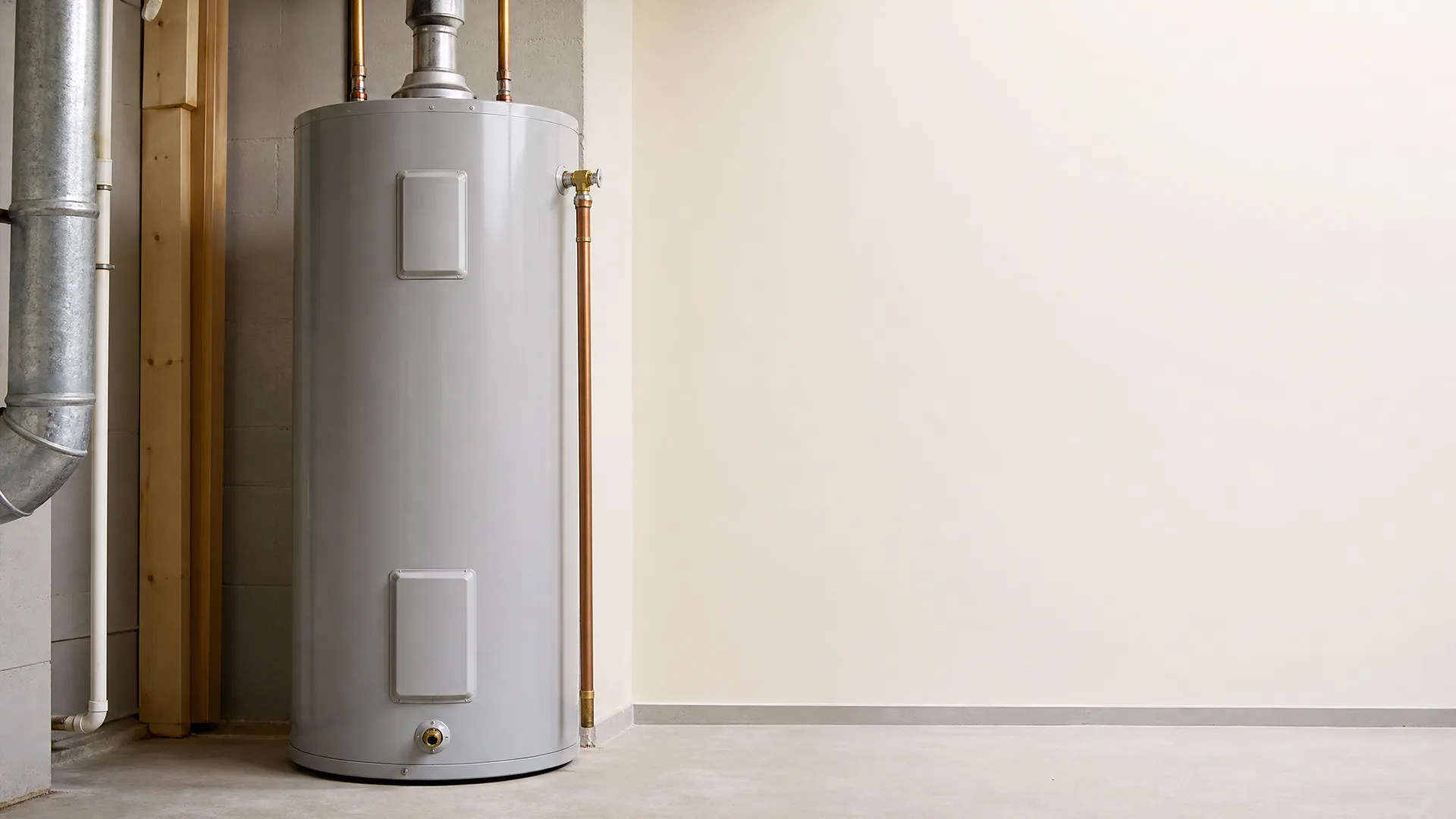
Hard water leaves minerals behind every time the tank heats a new batch of water. In Missouri, that mineral load is higher than in places with soft water, so the layer on the bottom of the tank builds up faster. A gas water heater fires its burner under the tank, right against that layer, which is why the popping shows up there instead of in an electric unit's side-mounted element.
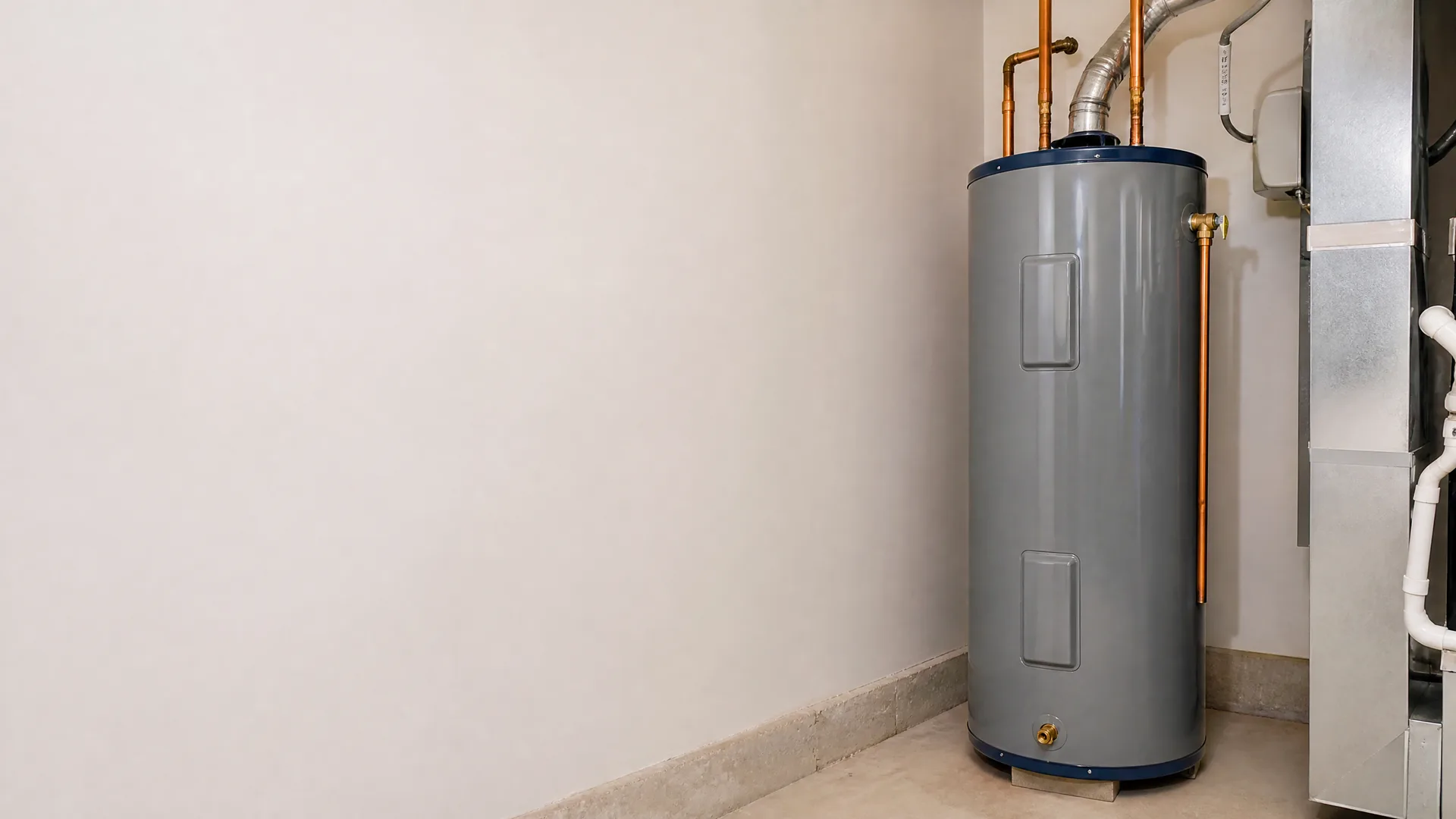
Once sediment hardens into a crust, it sits between the flame and the water the burner is supposed to heat. The tank works harder to get the same water hot, and the steel underneath that crust takes the brunt of the heat instead of the water. Left alone, that layer keeps thickening, and the popping tends to get louder rather than fade on its own.
You'll hear it most when the burner first kicks on, a series of pops or a rumble like gravel shifting underneath the tank. Some homeowners describe it as knocking. It may come with the water heater taking longer to deliver hot water, since that sediment layer sits between the burner and the water above it. Left alone, the tank works harder to heat the same amount of water, and the steel underneath that sediment layer is the part doing the heating. That's the part that can crack or wear thin over time. If the noise has gone from occasional to every time the burner fires, the layer has had time to build.

You get up before the house does, towel already on the rail, and turn the shower on to let it heat while you brush your teeth. Instead it starts rumbling under the floor, a low knock like something shifting around down in the tank. No steam yet. You wait longer than you should, razor in hand, listening to it bang away before the water finally runs warm. It never used to take this long. You test it with your hand under the spray, still cool at the edges, and head back downstairs to get the kids moving, figuring you'll deal with the noise once someone who knows gas water heaters can take a look.
Only one pro gets your request, so you hear from one company.
Sending the form costs nothing.
Leave it alone and the popping usually gets worse, not better. The sediment layer keeps building with every tank of water heated, and a thicker layer means more water getting trapped and turning to steam.
A thicker layer also makes the burner work harder to heat water through it, and that extra heat is what wears through the steel at the bottom of the tank. A tank that starts leaking there isn't worth repairing.




A contractor can drain the tank and clear the sediment before it packs down harder. The popping usually fades once that layer is gone, and the tank runs the way it did before.
The popping keeps going and the layer underneath keeps thickening. The burner has to work through more sediment to heat the same water, and that steel keeps taking the heat on the other side.
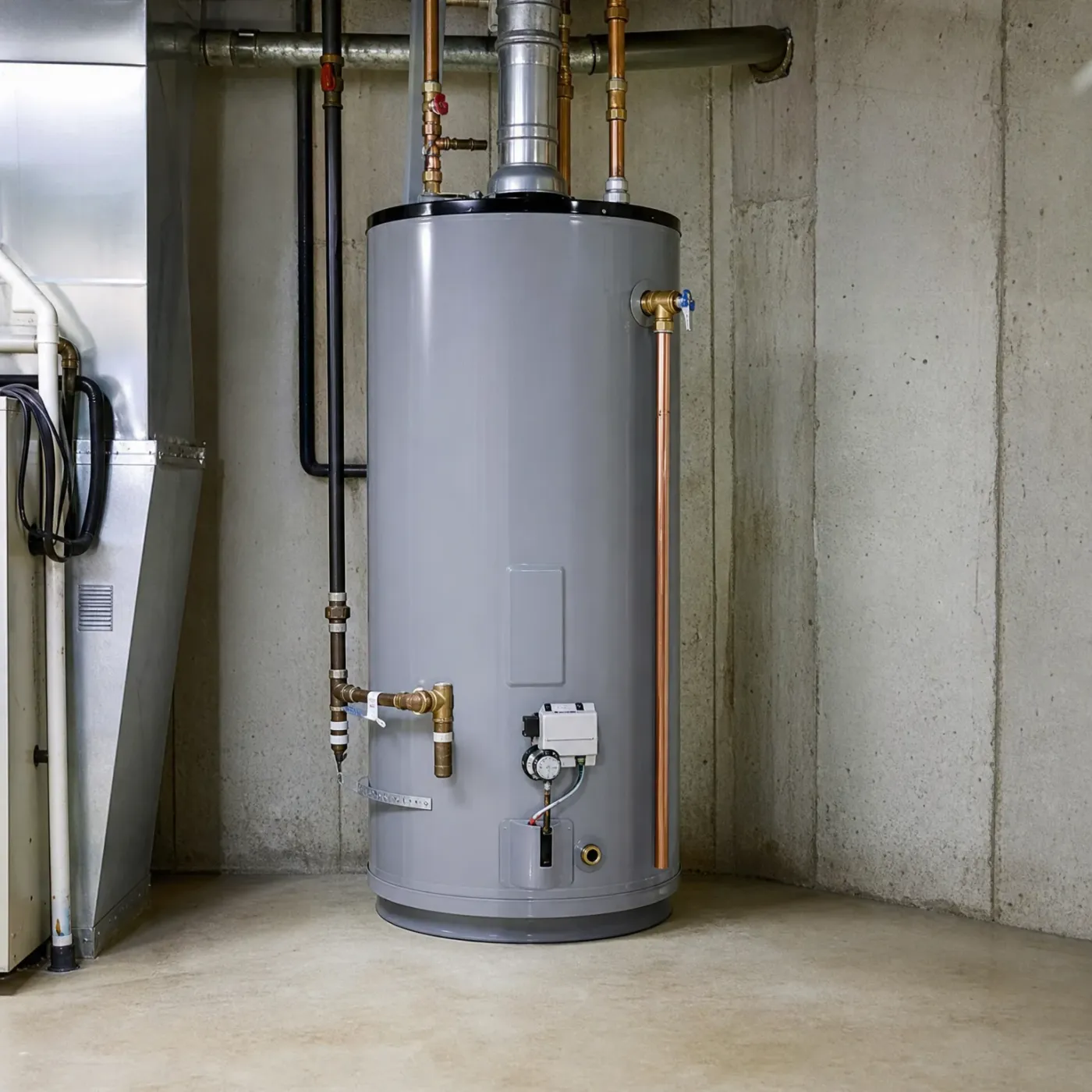
Gas water heaters with a standing pilot keep running through a power outage since the flame never needed power to begin with. The popping doesn't change because of this. Sediment builds up the same way whether the power is on or off, because it comes from the minerals in the water, not the burner's ignition type. A contractor flushing the tank will check the pilot assembly while it's apart, since sediment can foul it too.
Some gas water heaters use an electronic igniter instead of a standing pilot, and that igniter needs power to light the burner. If your power goes out, the tank stops heating until it comes back, then it should relight on its own. Sediment doesn't care which ignition type you have. The popping builds the same way underneath either one, and a contractor flushing the tank handles both the same.
Most homes in Missouri heat water with gas, same as yours probably does. A gas burner fires hard and direct against the bottom of the tank, right where sediment collects. That's why the popping shows up here the way it does.
ACS 2020-2024 5-year B25040
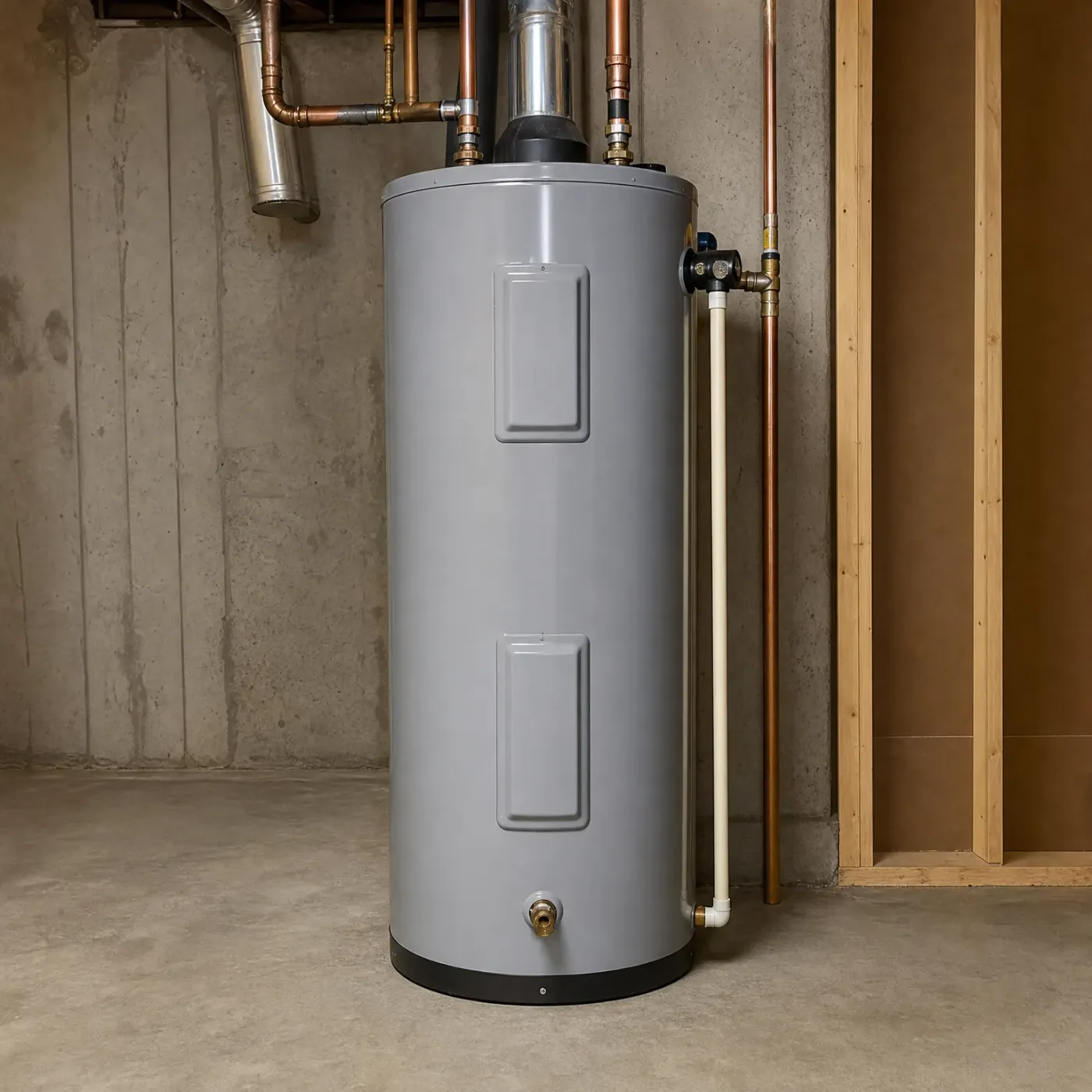
This is a water heater with little or no sediment buildup, the pipes and relief valve doing their job quietly. The burner heats a clean tank bottom, so the water passes straight through without steam pockets forming underneath. No popping, no rumbling, just a tank doing what it's supposed to do.
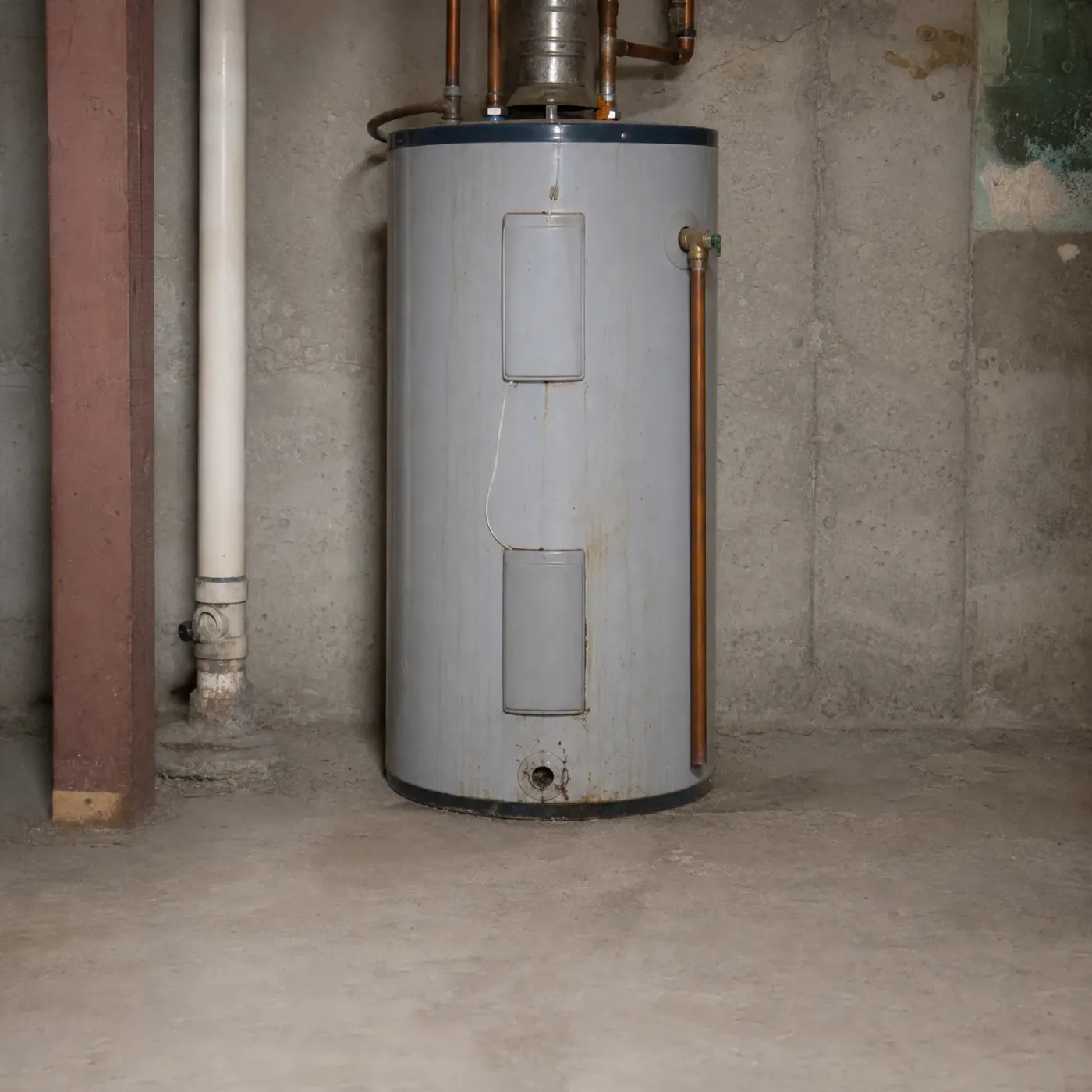
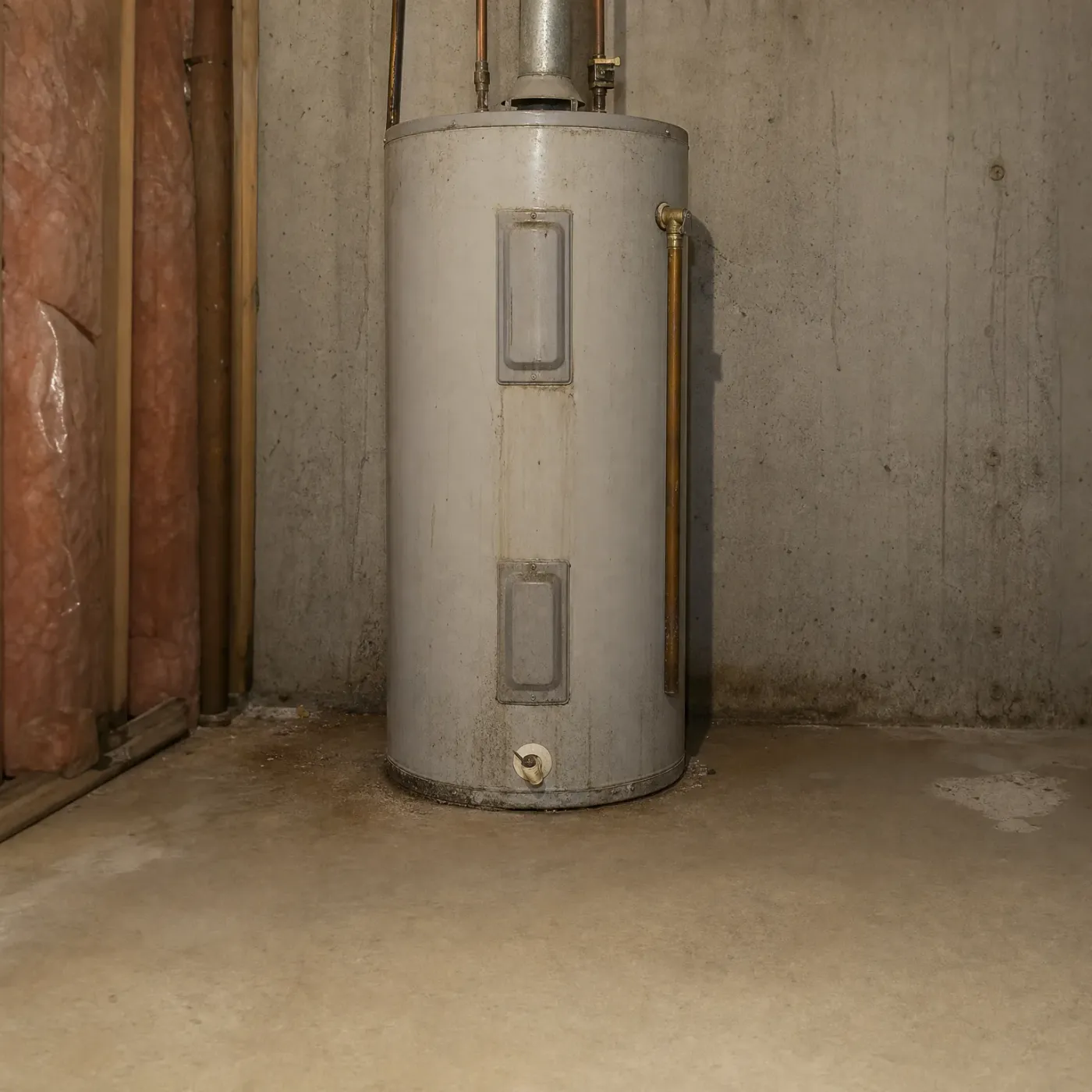
Rust near the base and a tank that's been sitting a while usually means sediment has had time to pack down hard. That rust tells you the tank has some age on it, and a thick sediment layer only adds to the strain. This is where popping turns into something worse, like a cracked tank or a failed heating element.


Popping in a gas water heater almost always means the same thing: sediment has settled on the tank bottom, and water trapped underneath it is turning to steam when the burner fires. Missouri's hard water is what put it there, and a gas burner firing right against the bottom of the tank is what turns it into noise you can hear from the next room. Left alone, the layer keeps building every time the tank heats a new batch of water, and the popping tends to follow along, getting louder instead of fading. A flush clears that sediment out and gives the tank back the quiet it had when it was new. That's a straightforward job for someone who works on gas water heaters across Missouri every week and has pulled this same layer of scale out of tanks on the same hard water more times than they'd guess. Sending the request here puts you in touch with one licensed contractor who knows this equipment, not a handful of companies competing for the callback. That's the part you no longer have to sort out yourself, who's qualified, who's local, who actually handles gas tanks instead of just installing them. The popping told you what's wrong. The next step is just getting someone out who's dealt with it before.
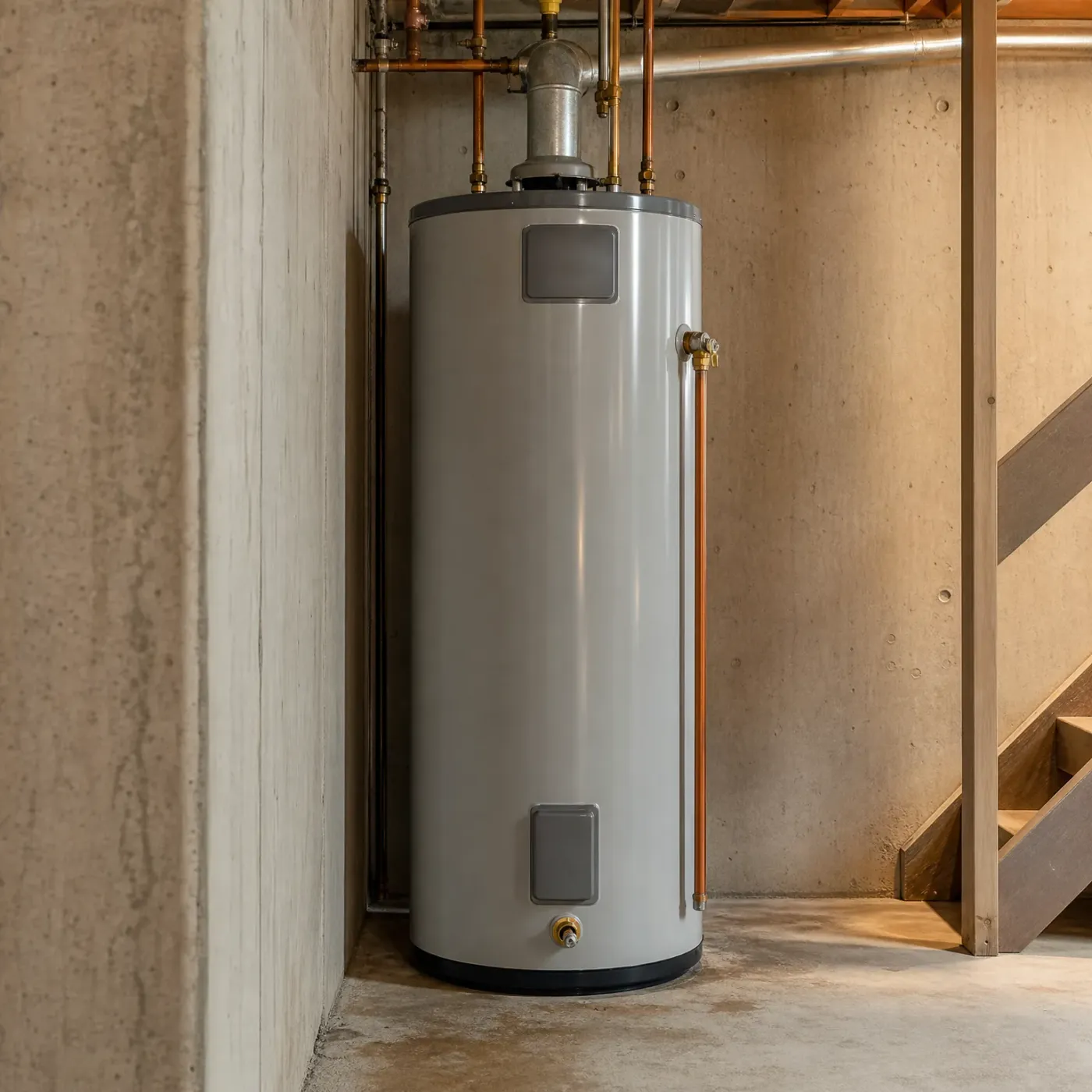
Your request goes to one pro, not a list of companies.
It costs nothing to send, and you don't have to hire anyone.