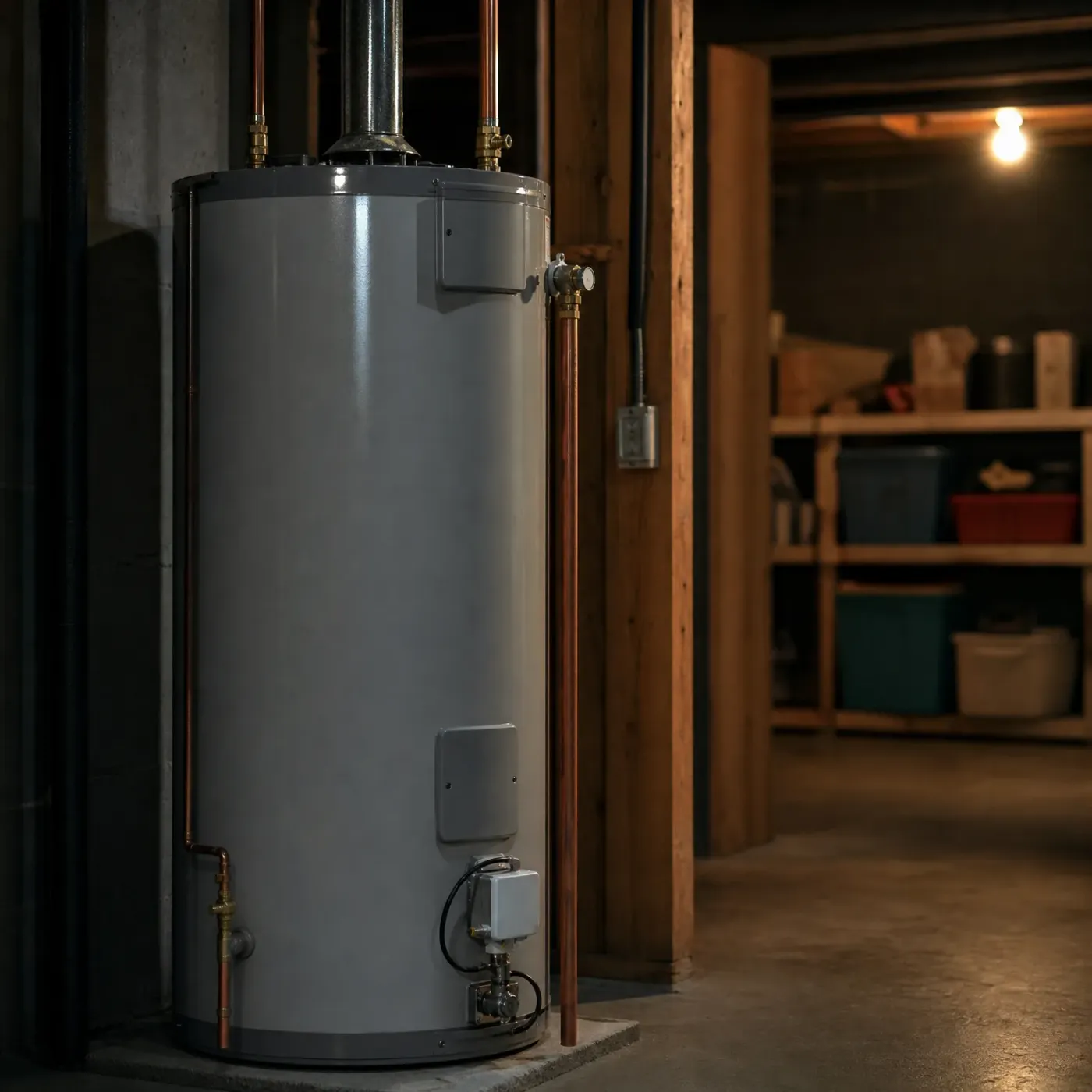
Hand off the water heater problem
Why your hot water smells like rotten eggs in Missouri
That rotten egg smell is hydrogen sulfide gas, and it usually means something inside your water heater tank is reacting with the water. It's a common call in Missouri, where most homes run gas water heaters. Below, what causes it, whether it's safe to shower, and what fixes it, so you can hand off the tracking down and get your water running clean again.
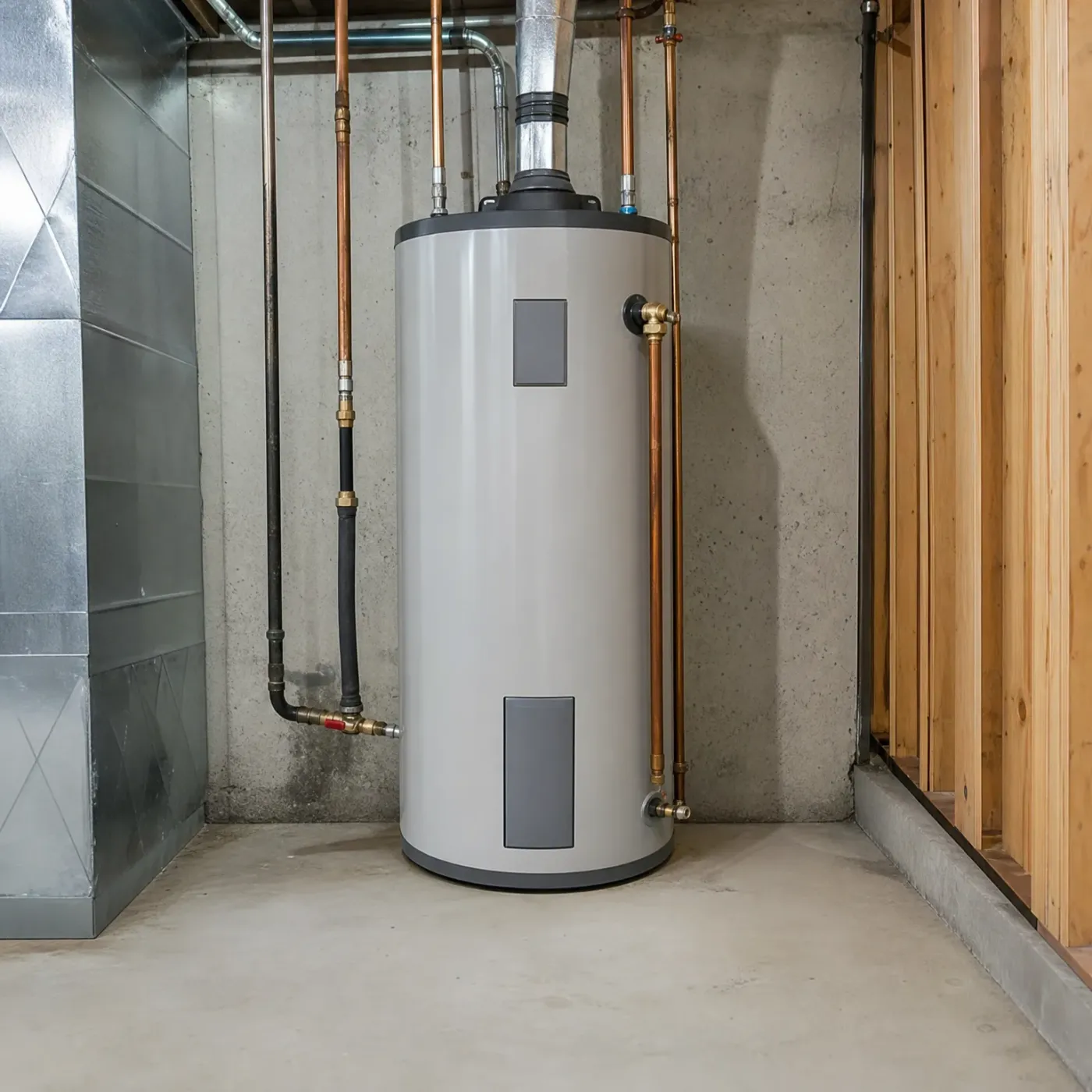
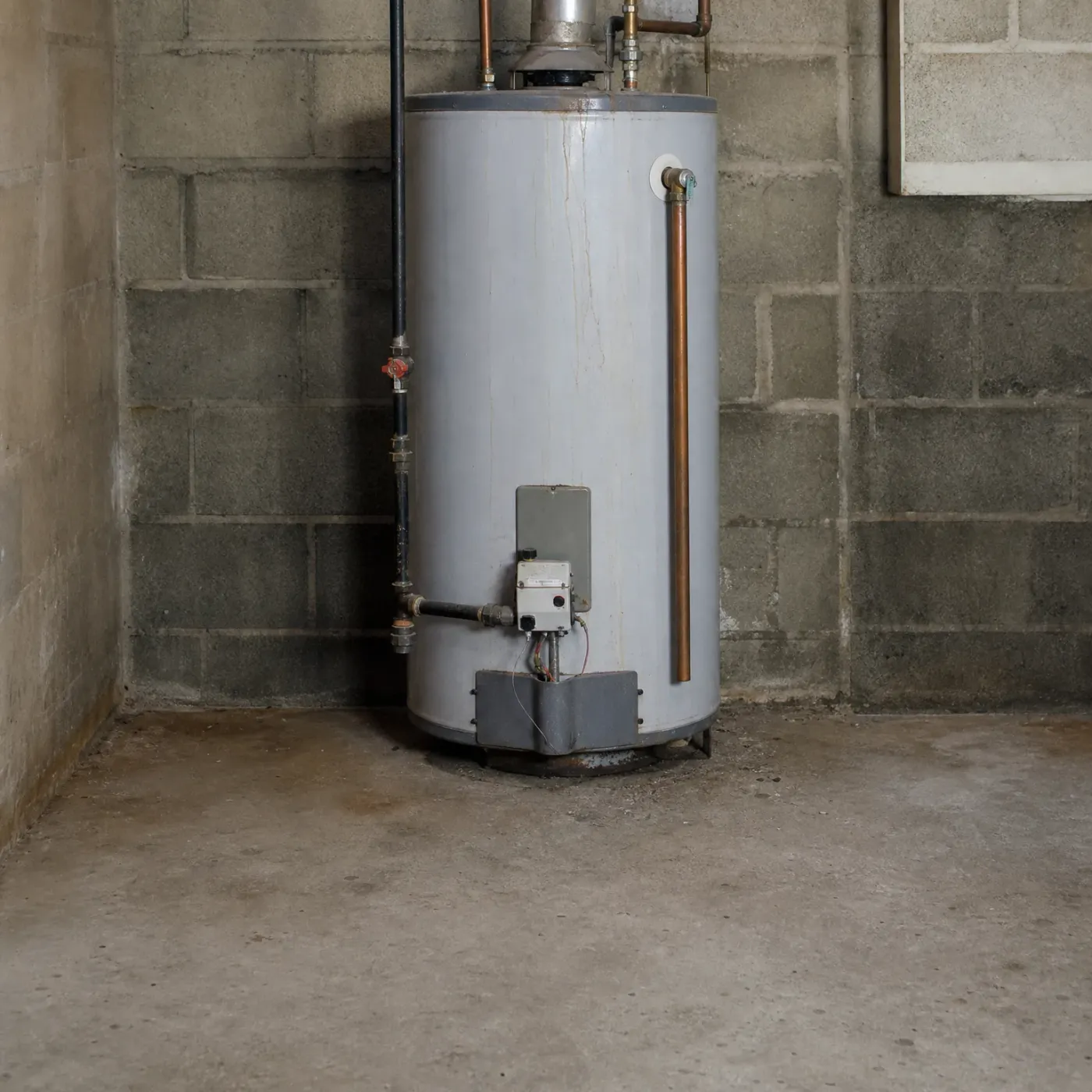
Hand it offThat smell comes from hydrogen sulfide gas forming inside the tank. Most water heaters have a magnesium or aluminum anode rod that protects the tank from rust by corroding first. When certain bacteria in the water react with that rod, they produce the gas, and it comes out of your taps smelling like rotten eggs. It shows up more often in homes on well water, but it happens on city water too. Gas water heaters, which run most of the homes in Missouri, are not the cause. The rod is doing what it's supposed to do. The smell means the chemistry inside the tank has shifted, not that the water heater is failing outright. It can usually be fixed by replacing the anode rod or, in some cases, disinfecting the tank. Left alone, the smell won't go away on its own, and it will keep coming through every tap connected to that hot water line.




Rod Swap or Tank Flush
Anode Rod Replacement
- Swapping the magnesium rod for an aluminum or zinc one usually stops the reaction that produces the gas.
- A zinc-aluminum rod resists the bacteria that feed on magnesium, so the smell often doesn't come back.
- This keeps the tank protected from rust, which is the rod's actual job.
- It's a smaller job than draining and disinfecting the whole tank.
- If only one rod has ever been in the tank, this is usually where a plumber starts.
Tank Disinfection and Flush
- A chlorine flush kills the bacteria living in the tank and the sediment at the bottom.
- This matters more when the smell has been there a while, since bacteria can build up in sediment the anode rod swap won't touch.
- Water needs to be run through every faucet afterward to clear the chlorine out of the lines.
- If the smell returns a few weeks after a rod change, this is usually the next step.
- It won't stop the smell long term if the rod itself is still magnesium and still reacting.


Send one request and you're done looking
A plumber who works on Missouri water heaters every week has seen this smell dozens of times and knows which rod brand and water combination usually causes it in this area. That's different from guessing over the phone. Flushing the tank or swapping the anode rod means opening the tank, and if the wrong rod goes back in, the smell just comes back in a few months. Sending the request here puts it in front of one licensed local contractor, not a handful of companies competing for the job, so you're not stuck fielding calls while the water still smells bad. You don't have to figure out whether it's the rod, the water supply, or something else in the tank. Once you send the request, that part isn't yours to sort out anymore. You just need hot water that doesn't smell like rotten eggs, and that's what this gets moving.
The reaction needs three things to happen: a magnesium rod, bacteria in the water, and warm, still conditions inside the tank. Take away any one and the smell usually stops.
That's why a water heater left unused for a week or two, like after a vacation, often smells worse when you turn the tap back on. The water sat still long enough for the reaction to build up.
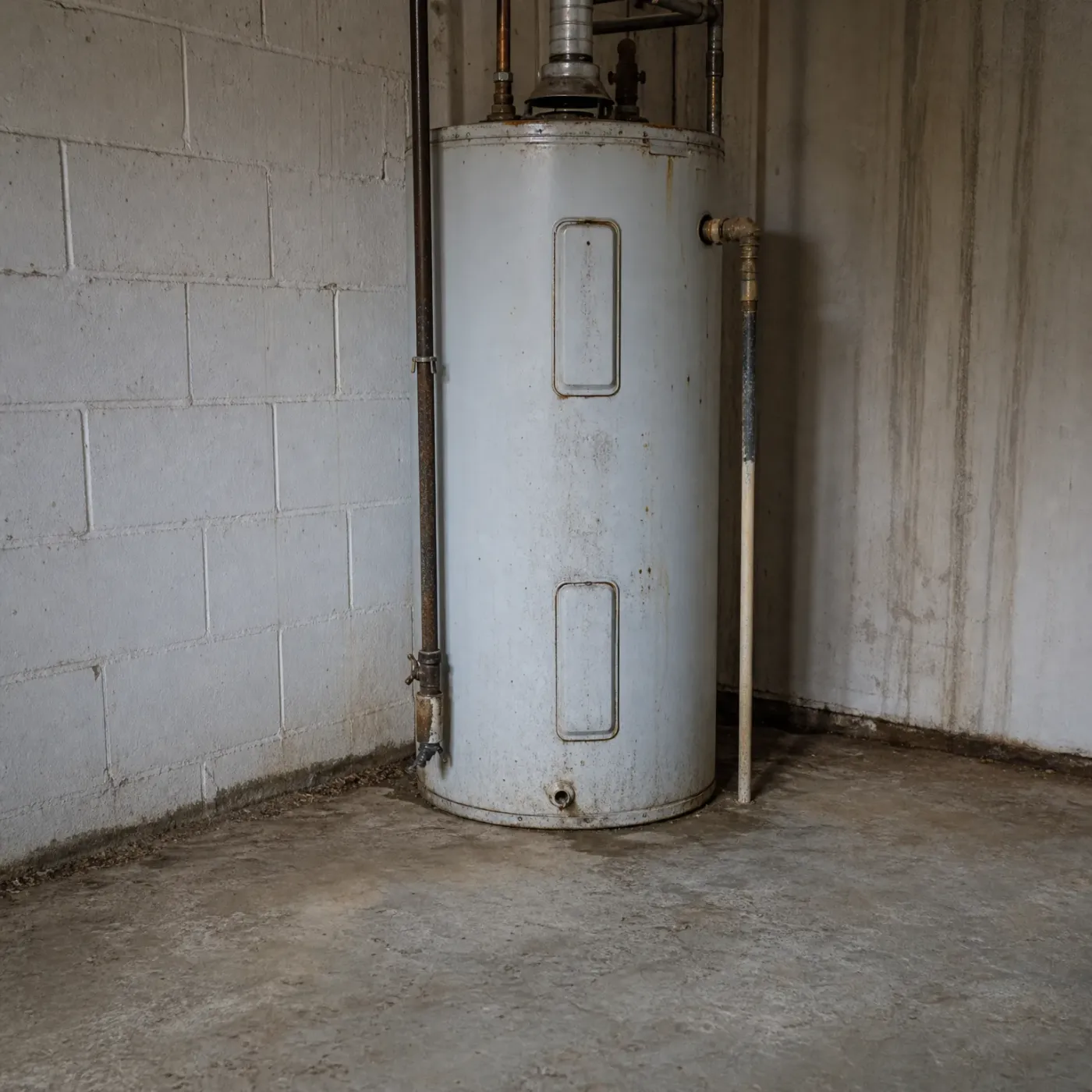
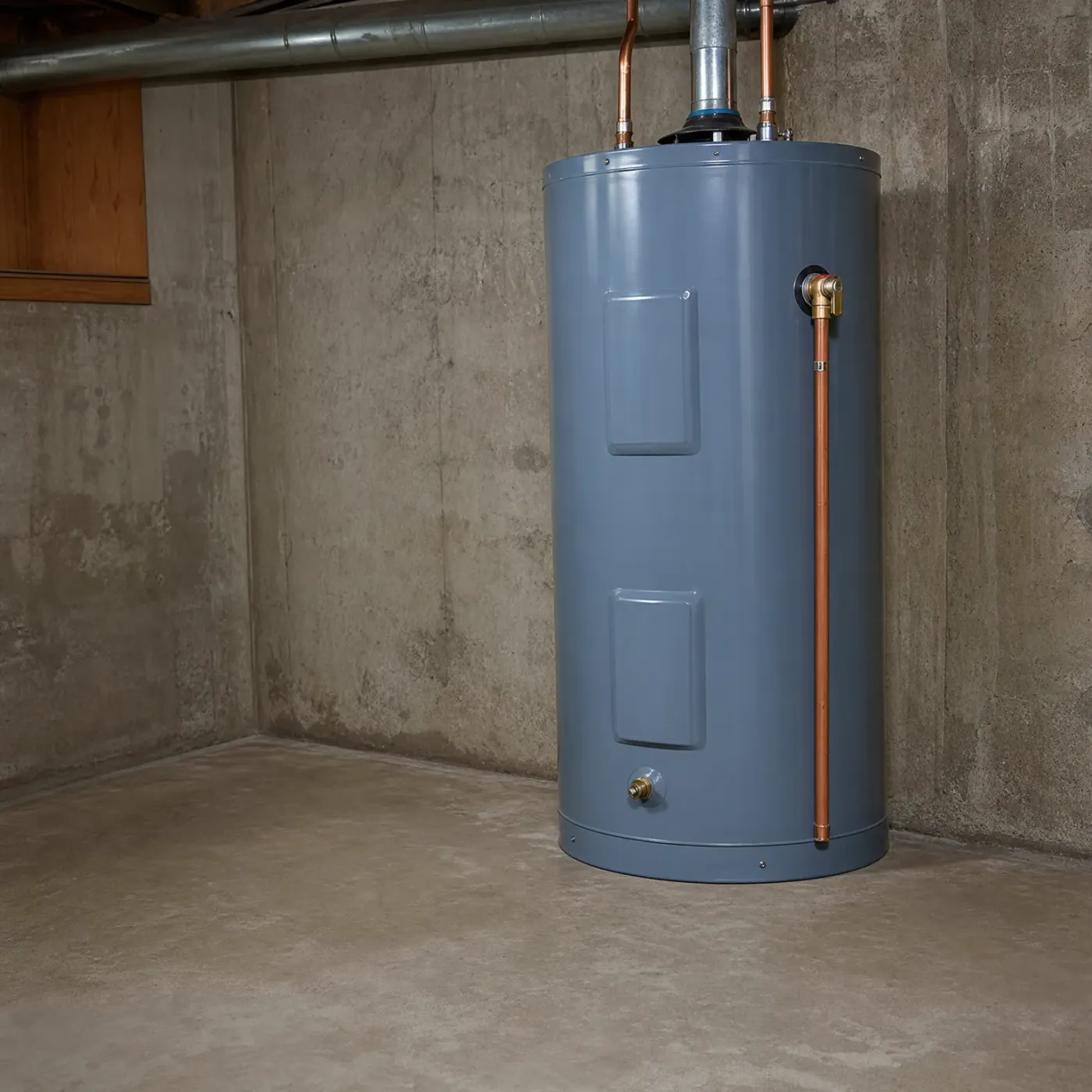
49.3% of homes statewide heat with gas
Almost half the homes in Missouri heat water with gas, and that's the setup most likely to grow this smell, since the tank's anode rod sits in warm water for days between uses. If your water heater runs on gas, that's probably what's happening in yours.
ACS 2020-2024 5-year B25040
What to Do About the Smell
- The smell traces back to a chemical reaction between your anode rod and your water, not to the water itself being unsafe.
- Swapping the rod or flushing the tank usually clears it, and a plumber who sees this every week in Missouri knows which rod to use.
- A local plumber licensed to work on your water heater can test the water and pick a rod that fits your specific setup.
- Sending one request means one plumber calls, not five, so you're not stuck fielding quotes while the smell lingers.
- Once you send the request, finding someone to fix it stops being something you have to chase down yourself.
- Gas water heaters like yours are the ones most likely to grow this smell, so this is a known fix, not a mystery.
The rotten egg smell in your hot water comes down to a reaction happening inside your tank, between the anode rod and whatever bacteria are in your water. It's not a sign your water supply is unsafe, and it's not a mystery. Gas water heaters, which run in most Missouri homes, give that reaction warm, still water to work in for days at a time, so if yours smells, this is almost certainly why.
The fix is usually one of two things: swap the magnesium rod for an aluminum or zinc one, or flush the tank to clear out what's built up. A plumber who works on water heaters around Missouri every week has already seen this exact smell more times than they can count, and knows which rod to try first for your water. That's not a guess made over the phone. It's someone testing your water and picking a rod that fits what's actually in your tank, licensed to do the work and local enough to know the area's water.
Sending in a request connects you with one plumber, not a handful of companies competing for the job. You won't spend the next few evenings fielding calls and comparing quotes while the smell sits there. Once the request is sent, the work of finding someone stops being yours to carry. What's left is a straightforward repair for a problem that has a known cause and a known fix, in a house where you already know what's normal and what isn't.
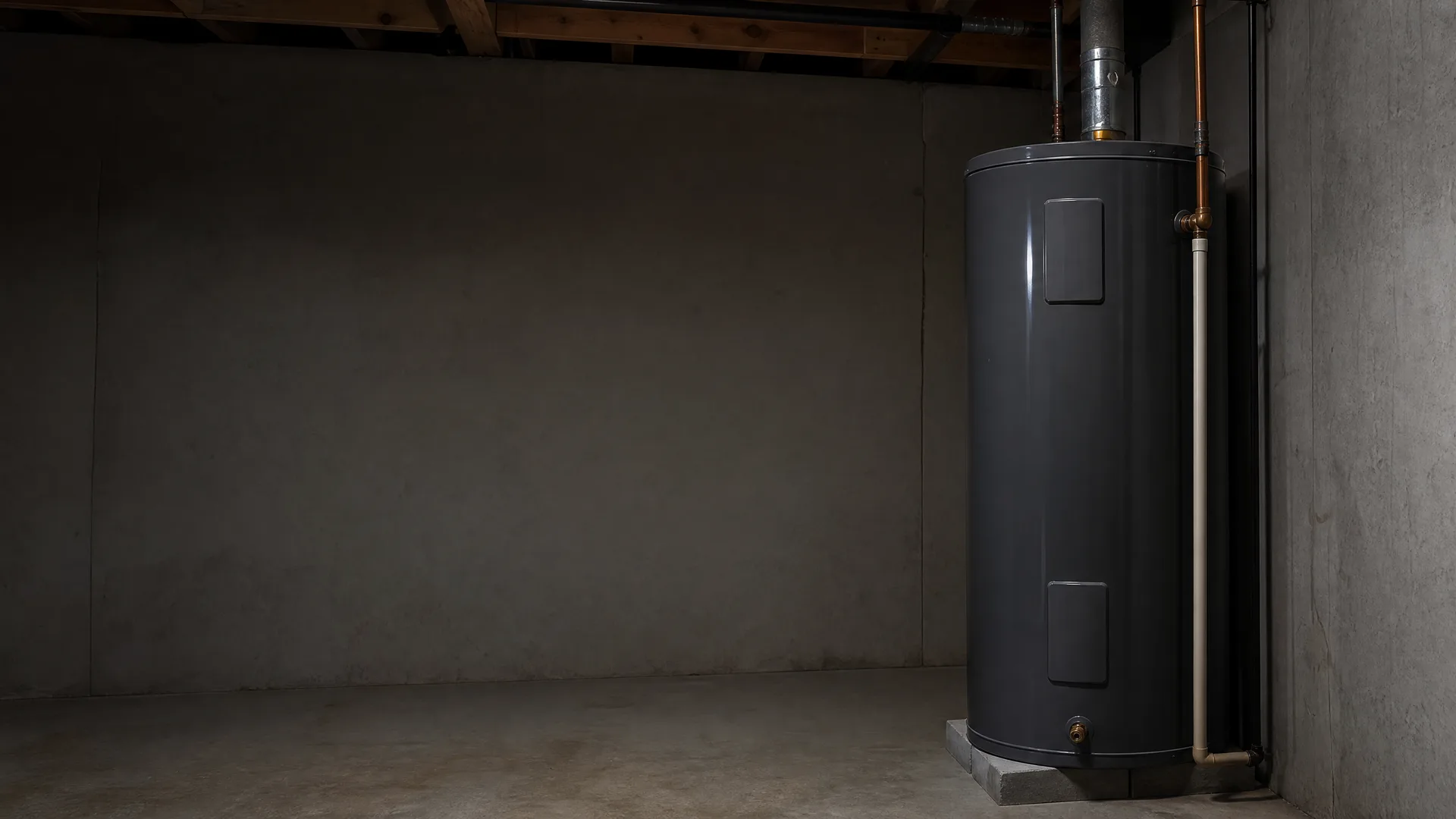
Finding a pro stops being your job
The pro who reaches out is licensed in Missouri.