Why your hot water is lukewarm in Missouri

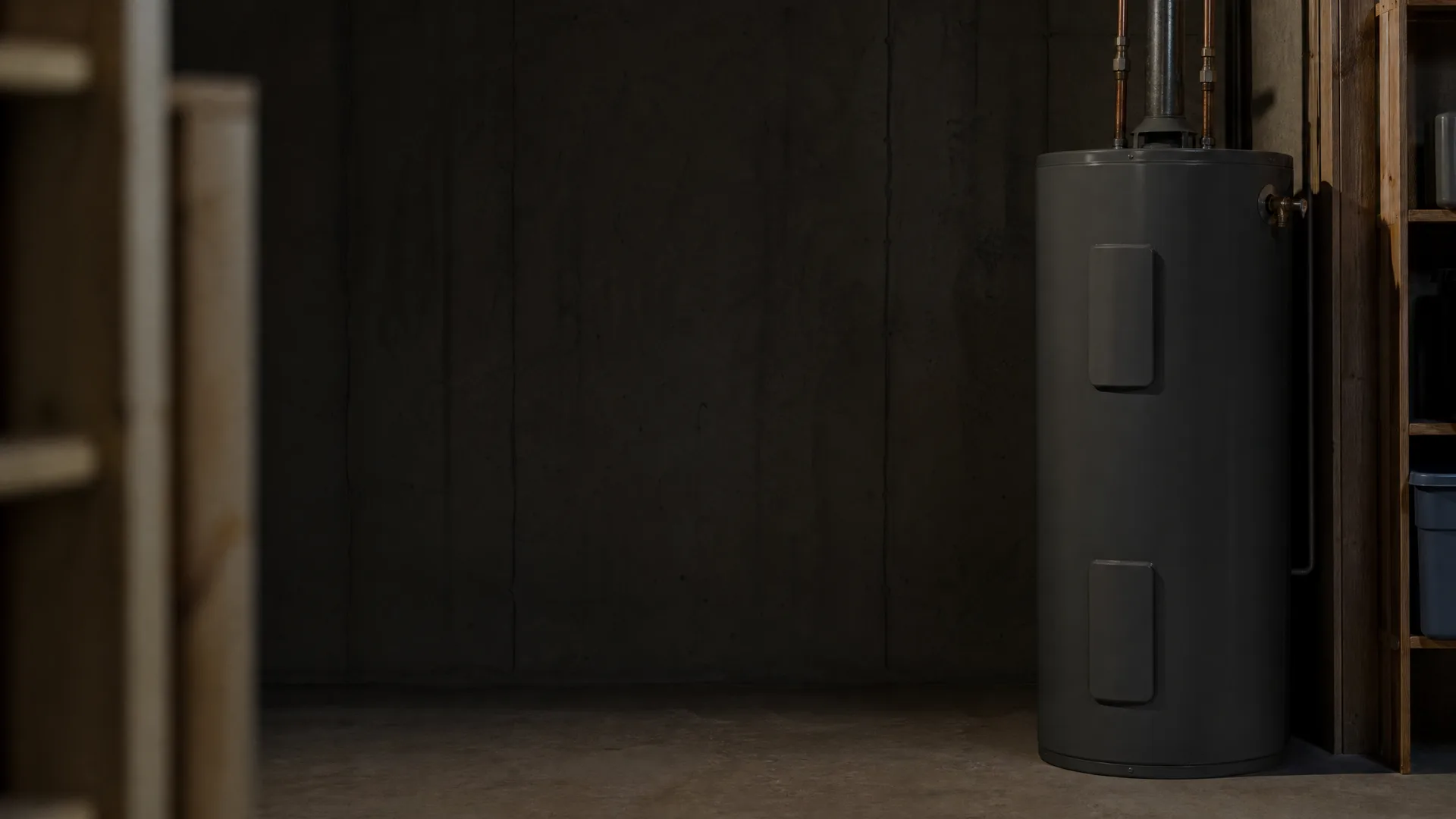
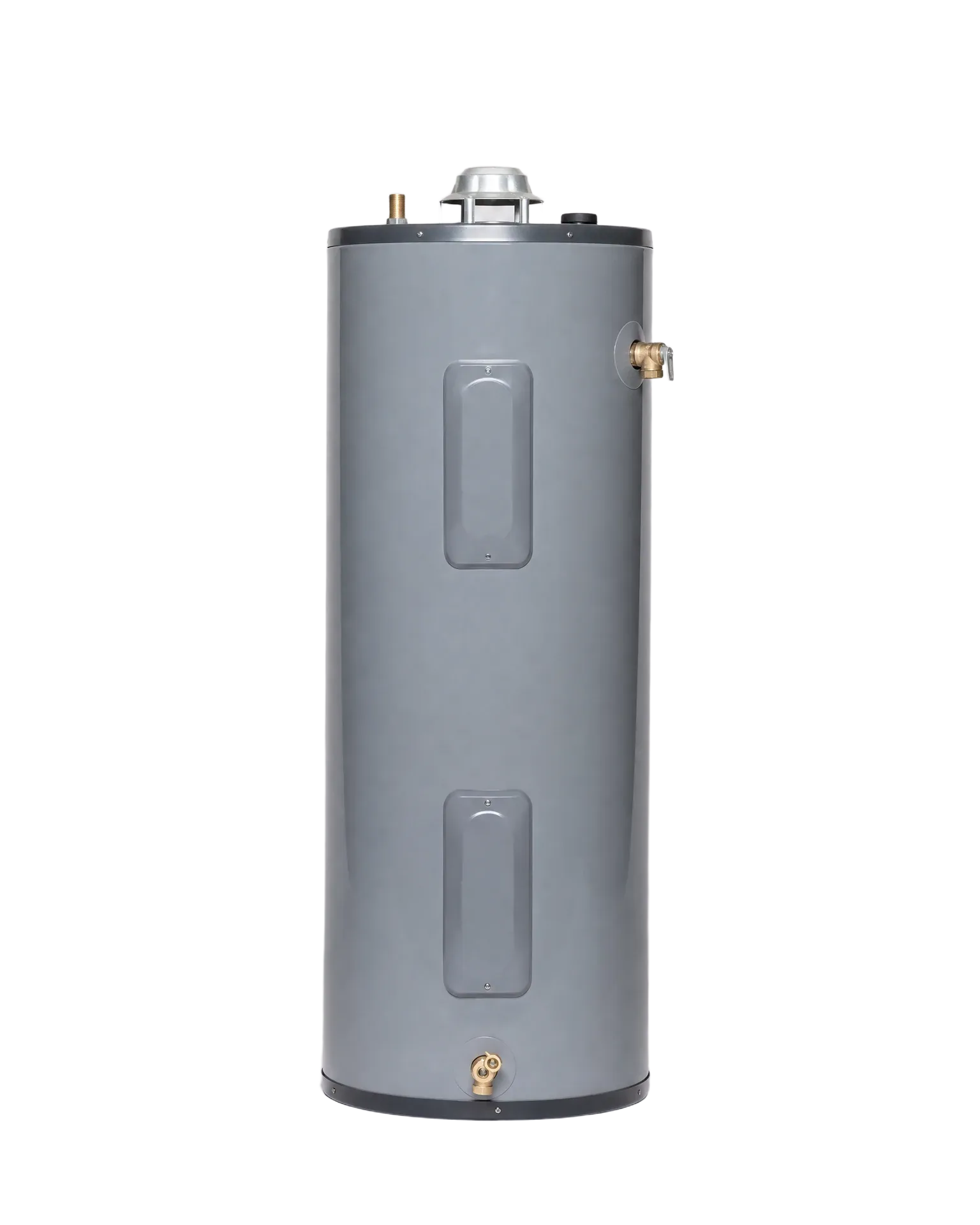
A gray cylindrical water heater with two access panels, a brass side valve, a bottom drain valve, and a metal vent cap on top, photographed against a plain light background.
Get matched

Why is my hot water only lukewarm?

You turn on the tap expecting hot water and get something in between. Not cold, not hot, just lukewarm, and it stays that way whether you run it for a minute or five. With a house full of people or a shower waiting its turn, that's enough to make you wonder if the water heater is dying or just needs a fix. In Missouri, where most homes run on gas, there are a few specific reasons this happens.

Usually a bad heating element or a failing burner assembly

On a gas water heater, lukewarm water often means the burner is lighting but not staying lit long enough, or the thermocouple is worn and shutting the gas off early. On an electric unit, it's typically one of the two heating elements going bad, often the lower one, so you get some heat but not enough. A tank that's gradually gotten less hot over weeks points to sediment building up on the bottom and blocking heat transfer. A sudden change, where it was fine yesterday and lukewarm today, points more to a failed part than wear. Either way, a licensed plumber can test the thermostat, element or gas valve and tell you which one it is.

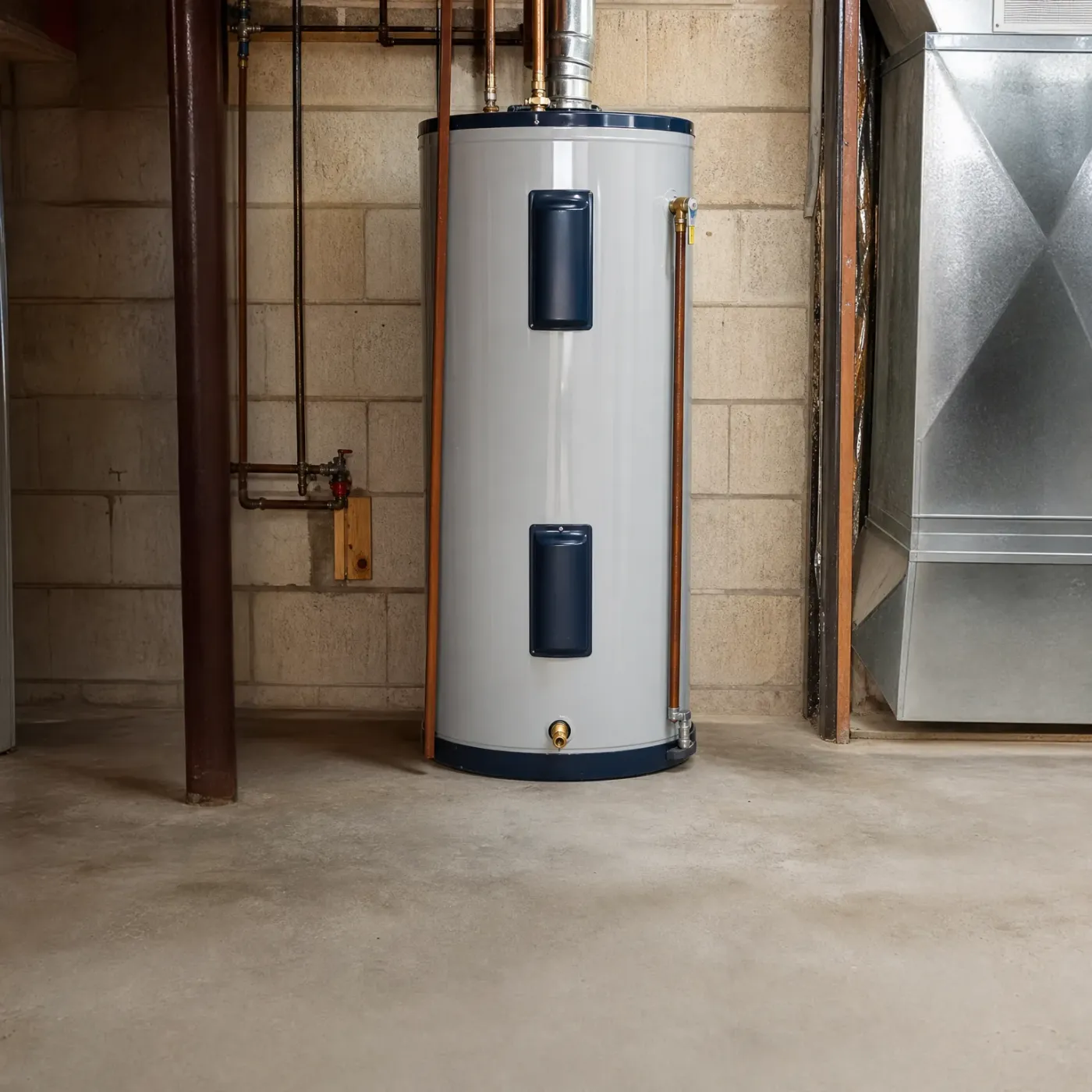
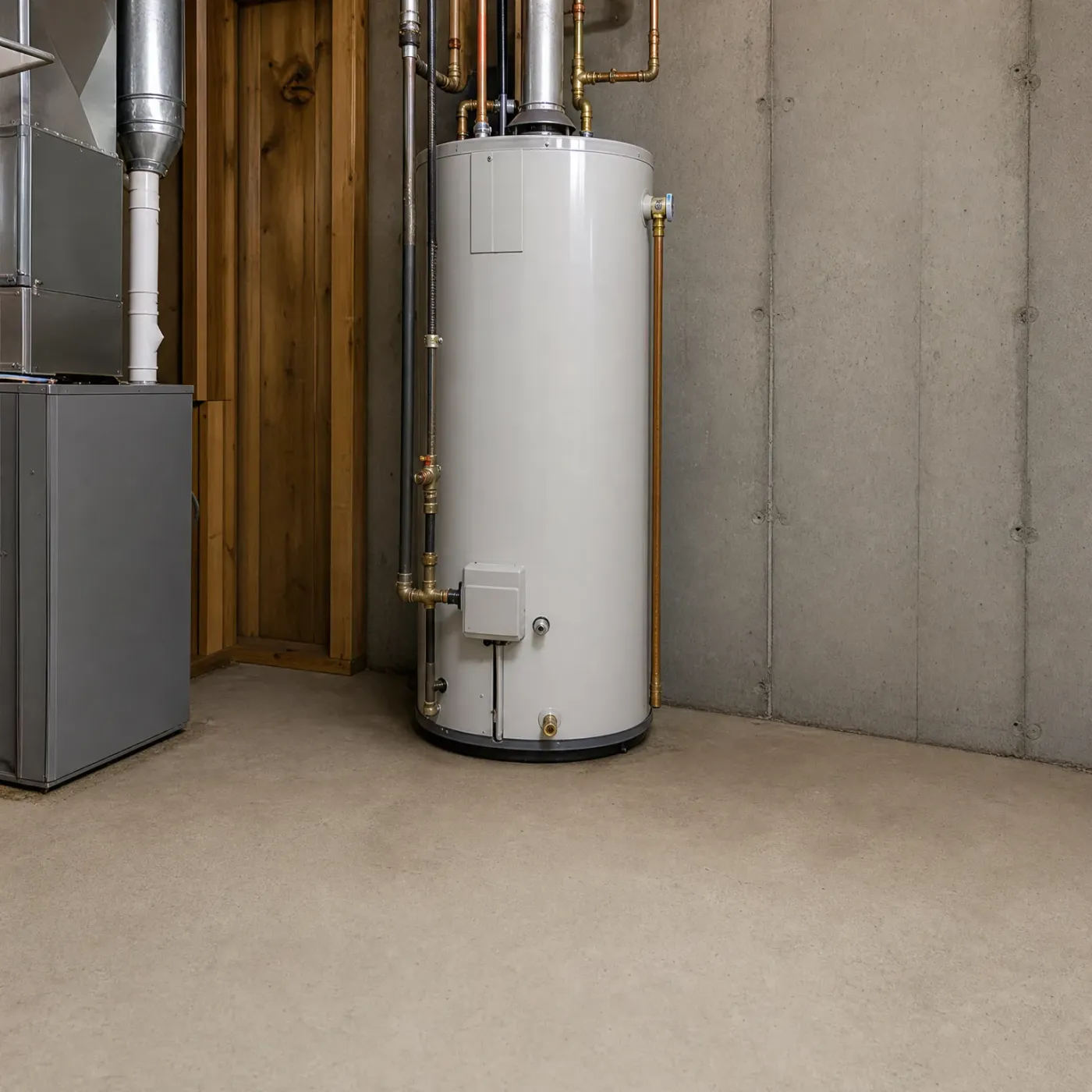
A white cylindrical water heater with two dark access panels stands on a concrete basement floor against a concrete block wall, with copper pipes, a flue duct above, and sheet metal ductwork at right.

Working the way it should

A gas or electric water heater that's sized right and in good shape recovers fast. One shower ends, the next one starts, and the tank catches back up before anyone notices. The burner or elements cycle the way they're supposed to, and the pipes carry that heat straight to your tap.
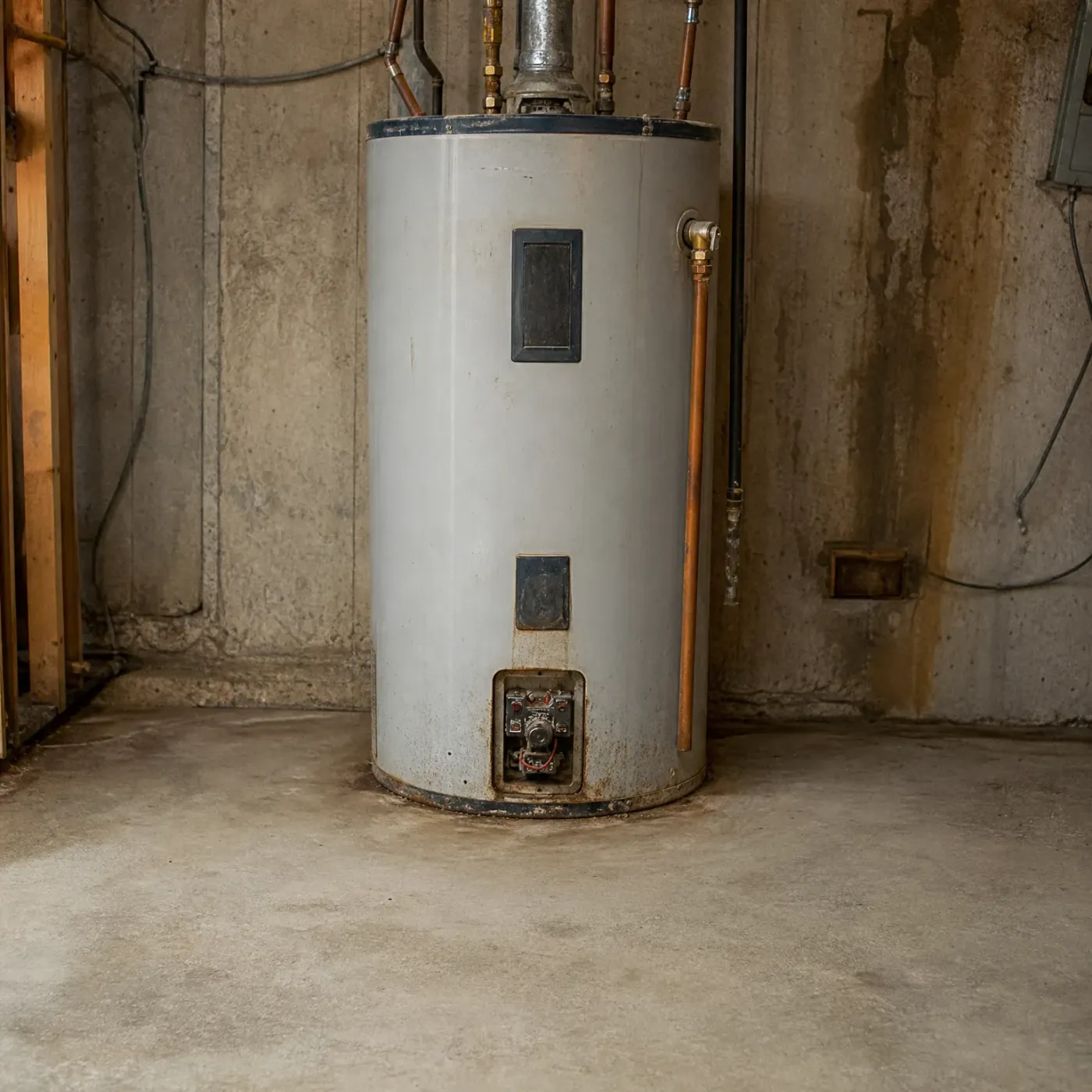
A white cylindrical water heater with copper piping and a gas control valve stands against a stained concrete basement wall on a bare concrete floor.

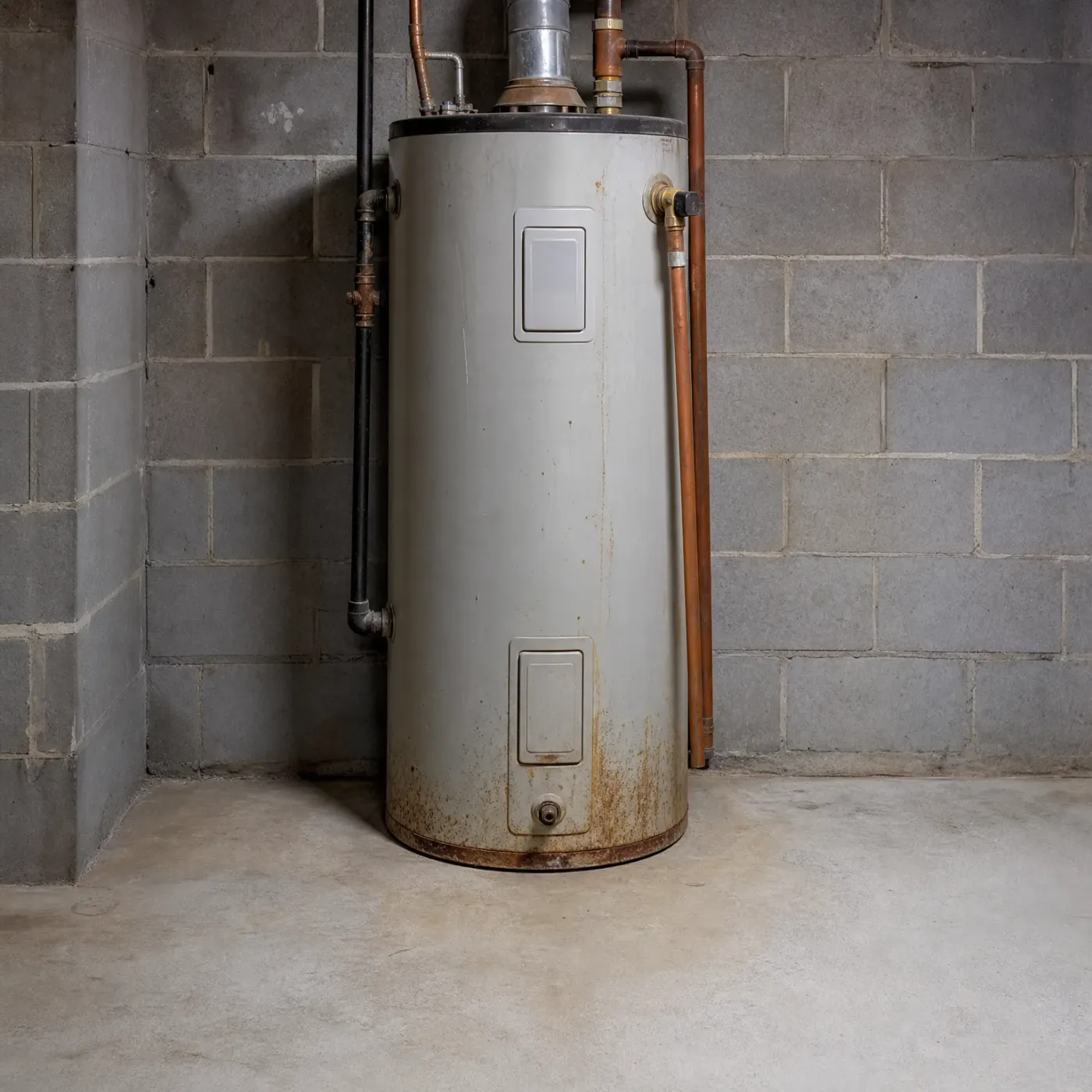
Rust and wear catching up with it

An older tank like this one tells on itself. Rust on the jacket, water pooling near the base, access panels that have been opened more than once. Inside, a failing element or a burner that can't keep up means the water coming out never gets past lukewarm.

Lukewarm Water: Fix It or Call Someone

Fix it yourself

  • A thermostat dial on an electric water heater can be bumped or turned down without anyone noticing for weeks.
  • Sediment settles at the bottom of the tank over time and a homeowner can flush it through the drain valve.
  • A gas heater's pilot light can go out, and relighting it is printed right on the panel inside.
  • Checking the breaker or reset button on an electric unit takes a minute and needs no tools.
  • None of this tells you whether a heating element has failed or a thermocouple is going bad, since those need testing to confirm.

Call a pro

  • A licensed technician can test both heating elements on an electric unit, since one can fail while the other still works and leaves you with half the hot water you had.
  • Gas heaters involve a gas line and venting, and a technician checks both while diagnosing why the burner isn't keeping up.
  • Someone who works on water heaters all year in Missouri has likely seen the same failure before and knows what to check first.
  • A dip tube that's cracked or worn lets cold water mix into the hot, and that's not something you can see without opening the tank.
  • Getting matched with one local contractor means a single call, not several companies competing for your business.
A white cylindrical gas water heater with copper and steel pipes stands against a concrete basement wall beside a gray furnace and wood-paneled wall.

Heater working as it should

A gas water heater like this one recovers fast because the burner fires on demand and the gas lines feed it steady. The furnace next to it runs on its own schedule. Copper lines, a sound tank, and hot water comes back quick after a shower or a load of dishes.

A rust-streaked cylindrical water heater with copper and black metal pipes stands in a concrete-block basement corner on a bare concrete floor.

Heater past its prime

Rust at the base and along the seams means the tank is failing from the inside out. That rust is often a sign the tank can no longer hold a full, even heat, which is part of why the water coming out feels lukewarm instead of hot.

A man with grey hair and stubble in a dark sweater sits on a grey sofa indoors, looking off to the side, with a potted plant and a sunlit window behind him.
A man with gray hair, a beard and glasses, wearing a dark green sweater, sits on a gray sofa in a sunlit living room with a potted plant, table lamp and wooden sideboard behind him.
A middle-aged man with graying hair and a short beard sits on a blue sofa in a living room, looking toward a window, with a bookshelf, lamp and framed picture in the background.
A man with graying curly hair and a dark green sweater sits on a gray sofa in a sunlit living room, looking off to the side, with a framed picture, shelving, an armchair and a window with sheer curtains behind him.
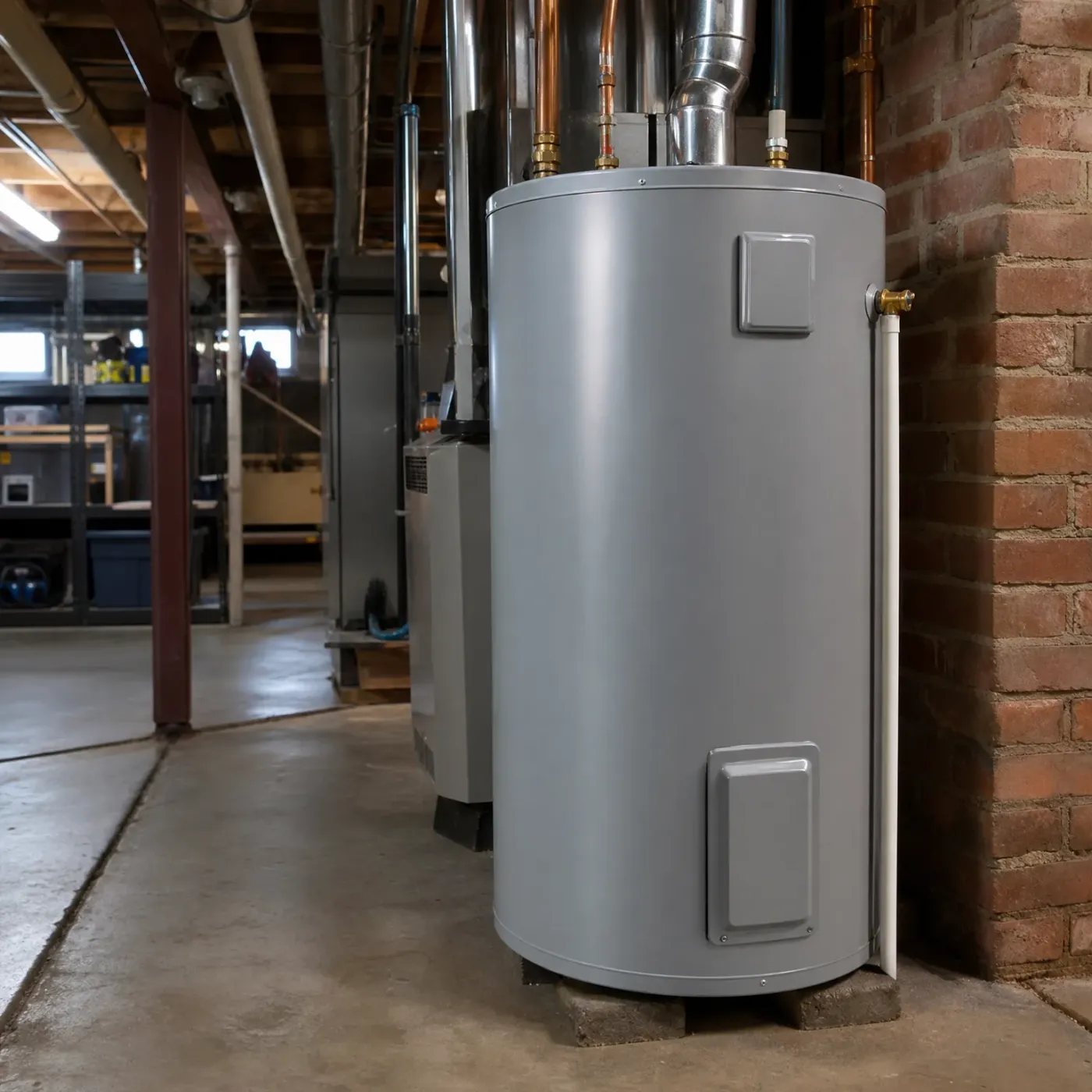
A gray cylindrical water heater with two access panels stands on concrete blocks beside a brick wall in a basement, with copper and metal pipes above and shelving visible in the background.

Get the right pro for your water heater

The pro who reaches out is licensed in Missouri.

Describe your water heater job, and a local pro who handles it gets in touch.

Find a licensed pro

Asking costs nothing, and the choice to hire stays yours.

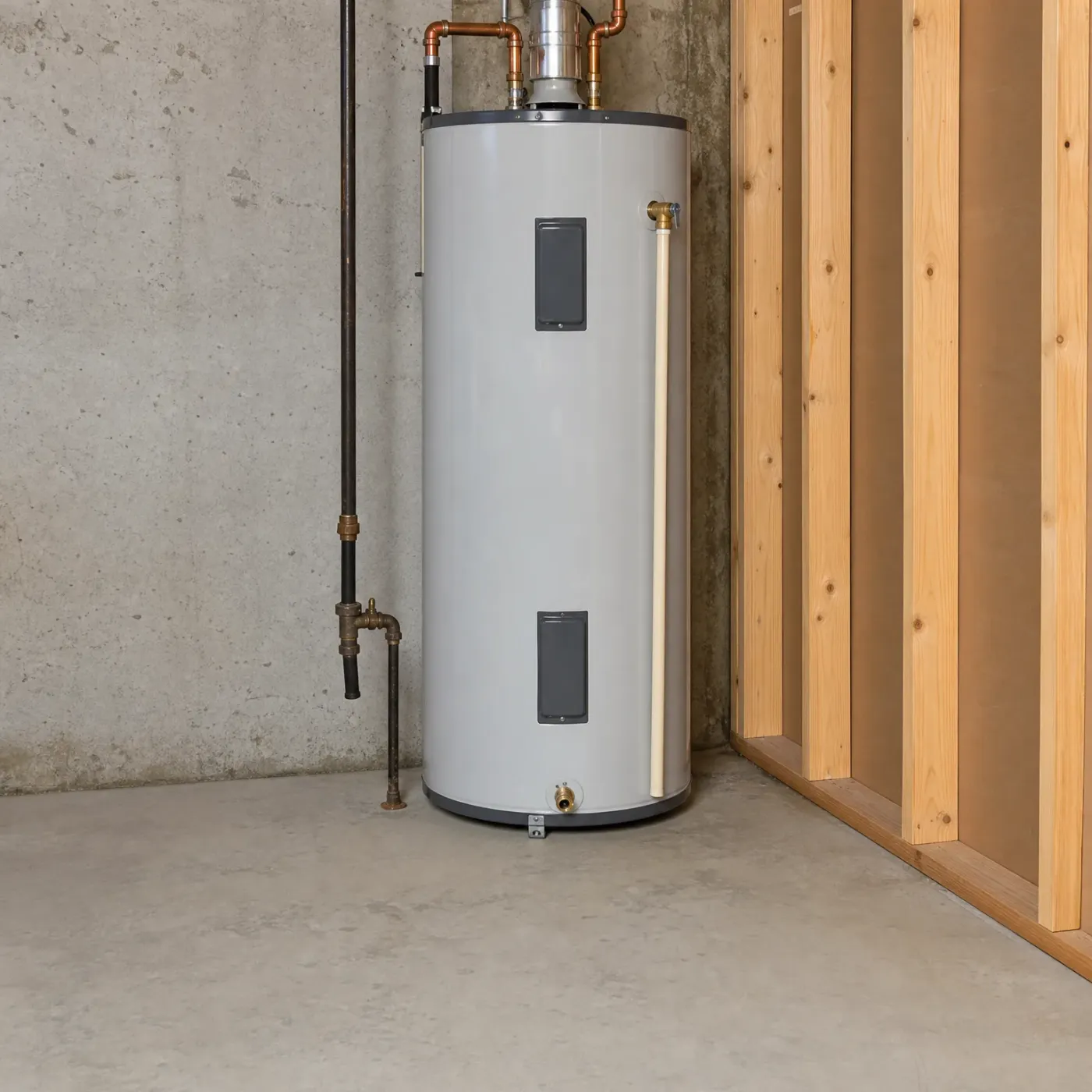
A light gray cylindrical water heater with two access panels stands on a concrete floor against a concrete wall, with copper and black pipes beside it and an unfinished wood stud wall to the right.
Clean connections and a tank in good shape like this one hold their temperature and recover fast after a full tank drains.
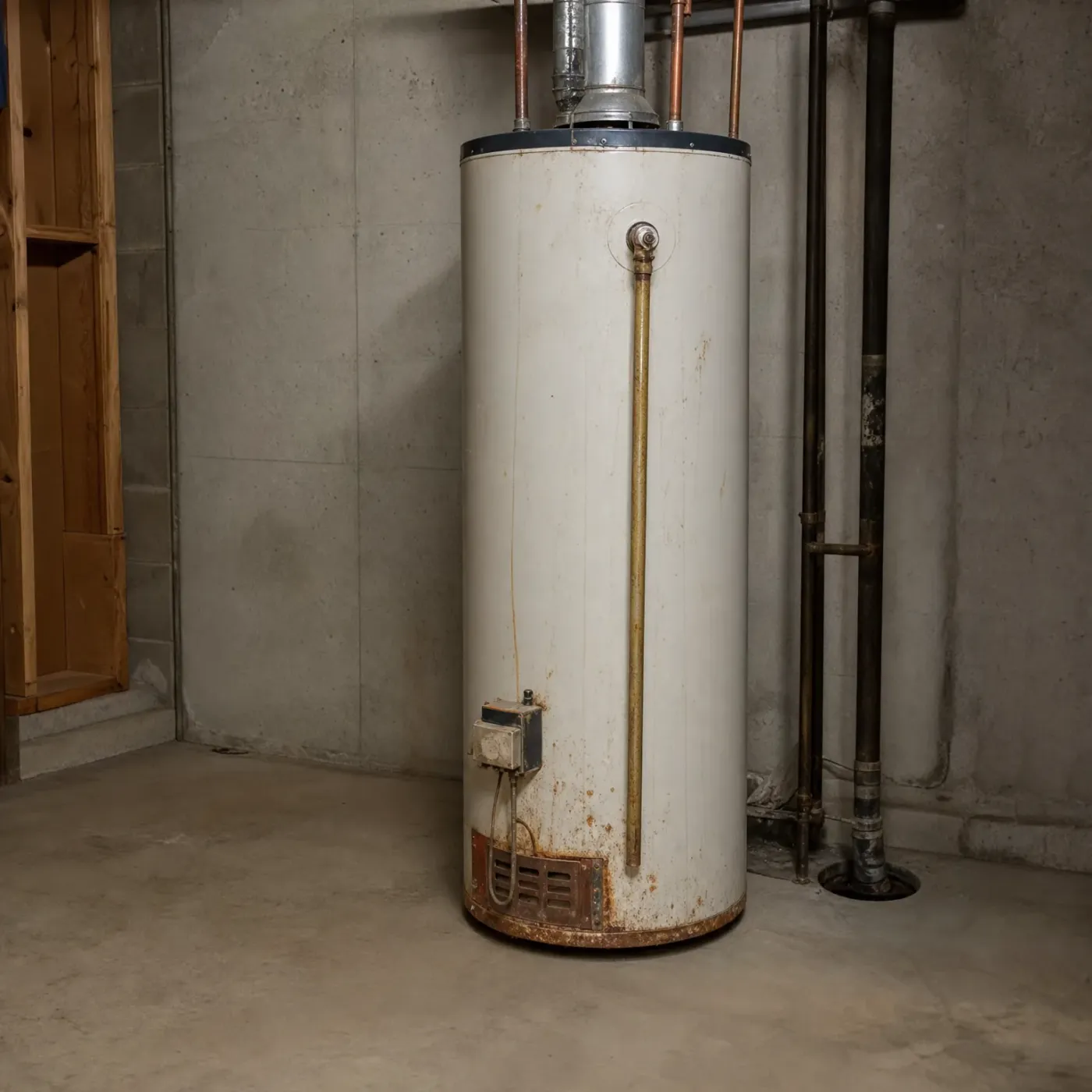
An older white gas water heater with rust staining and an exposed vertical pipe stands against a concrete block basement wall, with a metal flue above and black vertical pipes to the right.
Rust climbing the base and pooling at the bottom is a tank that's failing, and lukewarm water is often the first sign you'd notice.

What's actually cutting the heat

  • Two heating elements do the work in an electric tank, and when the upper one fails the lower one alone can only get water partway warm.
  • A gas heater's thermocouple or flame sensor can let the pilot stay lit while the main burner shuts off too soon, cutting the heating cycle short.
  • A dip tube that's cracked lets cold water entering the tank mix straight into the hot layer near the top instead of pushing down to the bottom.
  • Mineral buildup on an electric element coats it like a crust, so it draws power but can't transfer much heat into the water around it.
  • A gas control valve that's losing calibration can call for less burner time than the thermostat setting actually needs.
  • Cross connection in the plumbing, where a cold line feeds into the hot line somewhere in the house, dilutes hot water before it reaches the tap.

Lukewarm water almost always traces back to one of two systems, and which one depends on whether your tank is gas or electric. An electric water heater has two elements, one near the top and one near the bottom, and they're not supposed to run alone. If the upper element burns out, the lower one keeps working, but it can only heat the water it touches, so you get a tank that's warm instead of hot. Mineral buildup does something similar from a different angle. It coats the element in a layer that insulates it from the water instead of heating it, so the element draws current the whole time but passes little of that heat along.

Gas heaters fail for different reasons. The thermocouple or flame sensor is what tells the control valve the pilot is lit and safe to keep calling for heat. When that sensor starts to go, it can let the burner shut off early in the cycle, well before the thermostat setting is satisfied. A control valve that's drifted out of calibration causes the same short cycle from a different part.

Then there's the plumbing itself. A cracked dip tube lets incoming cold water spill out near the top of the tank instead of reaching the bottom, so it mixes straight into the hot layer you're about to draw from. A cross connection elsewhere in the house, where a cold line ties into a hot line, dilutes the water again on its way to the tap, after the tank already did its job right.

A woman with shoulder-length brown hair wearing a beige knit cardigan sits in a gray upholstered armchair near a window, looking off to the side with a slight smile, with bookshelves blurred in the background.
A woman and a sleeping child wrapped together in a cream knitted blanket on a couch, with a potted plant, framed photo and lit lamp in the background.

Why gas heaters usually recover faster

Most homes in Missouri heat water with gas, and a gas burner can push a tank back up to temperature quicker than an electric element can, since it's heating the whole bottom of the tank at once instead of a single rod inside it. That's part of why lukewarm water from a gas heater often points somewhere specific, like a thermocouple or flame sensor cutting the burner off early, rather than the unit just running out of capacity. An electric heater working through one failed element doesn't have that same fast backup, so the gap between hot and lukewarm tends to show up sooner and stay longer.

What a sticky Missouri summer adds to the tank

Humid air carries more moisture into a water heater's surroundings, and a tank or its fittings sitting somewhere damp for years are more likely to corrode from the outside in. Rust at the base or around a fitting is often further along than it looks, and a tank that's corroding is also one that's losing its ability to hold a full tank at temperature. A licensed plumber working in Missouri sees this pattern often enough to know where to check first, rather than working through every possible cause from scratch.

49.3% of homes statewide heat with gas

Gas water heaters outnumber other types here, same as home heating. If yours runs on gas, lukewarm water usually points to the burner or thermocouple rather than wiring, and that's a narrower, faster thing for a contractor to track down.

ACS 2020-2024 5-year B25040

Lukewarm water is a sign, not the problem itself, and the cause is usually one part: a failed upper element, a thermostat set wrong, a thermocouple that won't hold the burner on, or sediment built up at the bottom of the tank. Finding which one it is means checking the tank itself, not guessing from the tap. A contractor who works on water heaters in Missouri all year, through gas furnaces in winter and air conditioners in summer, has seen this particular complaint enough times to know where to look first on a gas tank versus an electric one. When you request service through this page, you're matched with one licensed local contractor, not several competing for your call, so you're dealing with someone who already knows the local gas lines and electric setups common here and can speak plainly about what they find. That's a straighter path than working through a list of parts on your own and hoping you picked the right one.

A dark gray cylindrical water heater with copper pipes at its top stands against a concrete basement wall, with wooden shelving and framing in the foreground at both edges.

A pro who works on water heaters

Only one pro gets your request, so you hear from one company.

Step 1 of 3: Equipment