 Get matched
Why you run out of hot water fast in Missouri
Describe your water heater job, and a local pro who handles it gets in touch.
A shower that goes cold halfway through isn't always about how many people used the hot water first. Most homes in Missouri run gas water heaters, and when one starts falling short, it's usually something specific: a sediment layer sitting on the bottom of the tank, a dip tube that's cracked, a thermostat reading wrong, or a burner that's not putting out what it used to. None of those get better on their own.
Gas water heaters here last through hard use, since gas is often cheaper to run than electric when it comes to heating water. That doesn't mean the tank is immune to wear. A unit working harder than it should will often show it through hot water that runs out faster than it used to, not through a bill spike you'd notice right away.
Figuring out which of those it is from the outside isn't really a guessing game you want to play on your own, especially with a gas appliance involved. It takes someone who looks at these tanks regularly, in homes like yours, to know what tends to go first and what to check before anything gets replaced.
That's where this gets easier for you. Tell this page what's going on with your water heater, and you'll be matched with a licensed contractor local to Missouri, someone who works on this equipment through every season here and knows the patterns that show up again and again in tanks like yours. You're not handed off to a list of companies to sort through yourself. One contractor gets your information and reaches out to you directly, with a sense already of what's likely behind a tank that can't keep up anymore.
Why am I running out of hot water so fast?
You used to get through a full shower, maybe two, before the water turned cold. Now you're lucky to finish one. Nobody added a load of laundry or ran the dishwasher at the same time, so it doesn't add up. Something in the tank itself is working less well than it used to, and in most Missouri homes with a gas water heater, the cause is one of a short list of things that happen to every tank eventually.
Sediment buildup is usually why the hot water runs out faster than it used to
Gas water heaters sit on a burner at the bottom of the tank, and over time, minerals in the water settle into a layer of sediment right where that heat needs to get through. The burner has to work harder and longer to heat the water above it, and the tank ends up holding less usable hot water than it did when it was new. A failing dip tube or a heating element problem can do the same thing on an electric unit, but with gas heat being common across Missouri homes, sediment is the one worth checking first. Either way, the tank isn't broken outright. It's just not delivering what it used to, and that's something a repair can usually fix without replacing the whole unit.
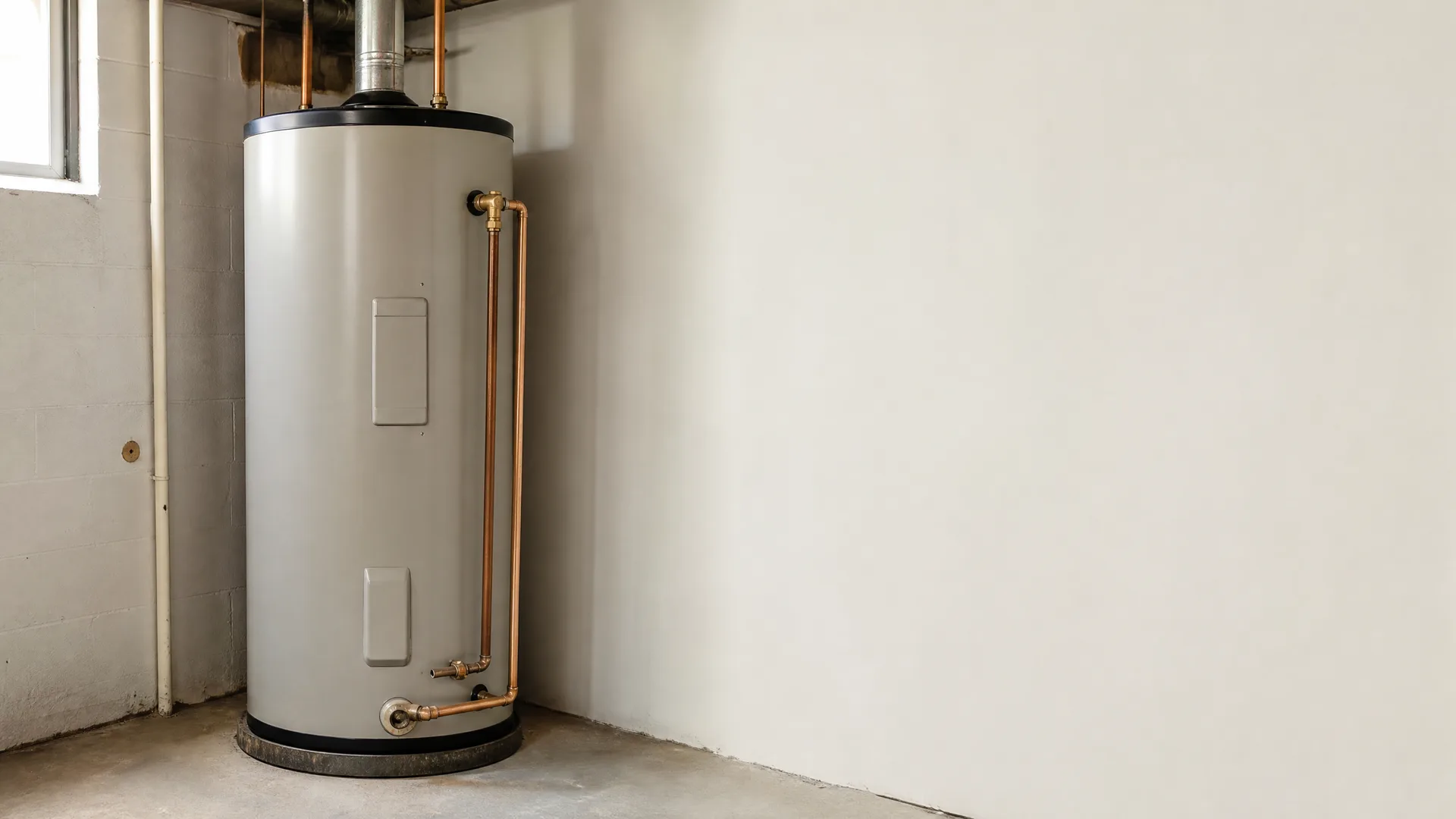
Sediment eats into capacity
Gas water heaters have a burner underneath the tank, and sediment settles right on top of that burner. Once it builds up, the burner has to heat through a layer of grit before it reaches the water above it. A 40 gallon tank with an inch of sediment on the bottom doesn't hold 40 gallons of usable hot water anymore. It holds less, and it takes longer to recover between uses.
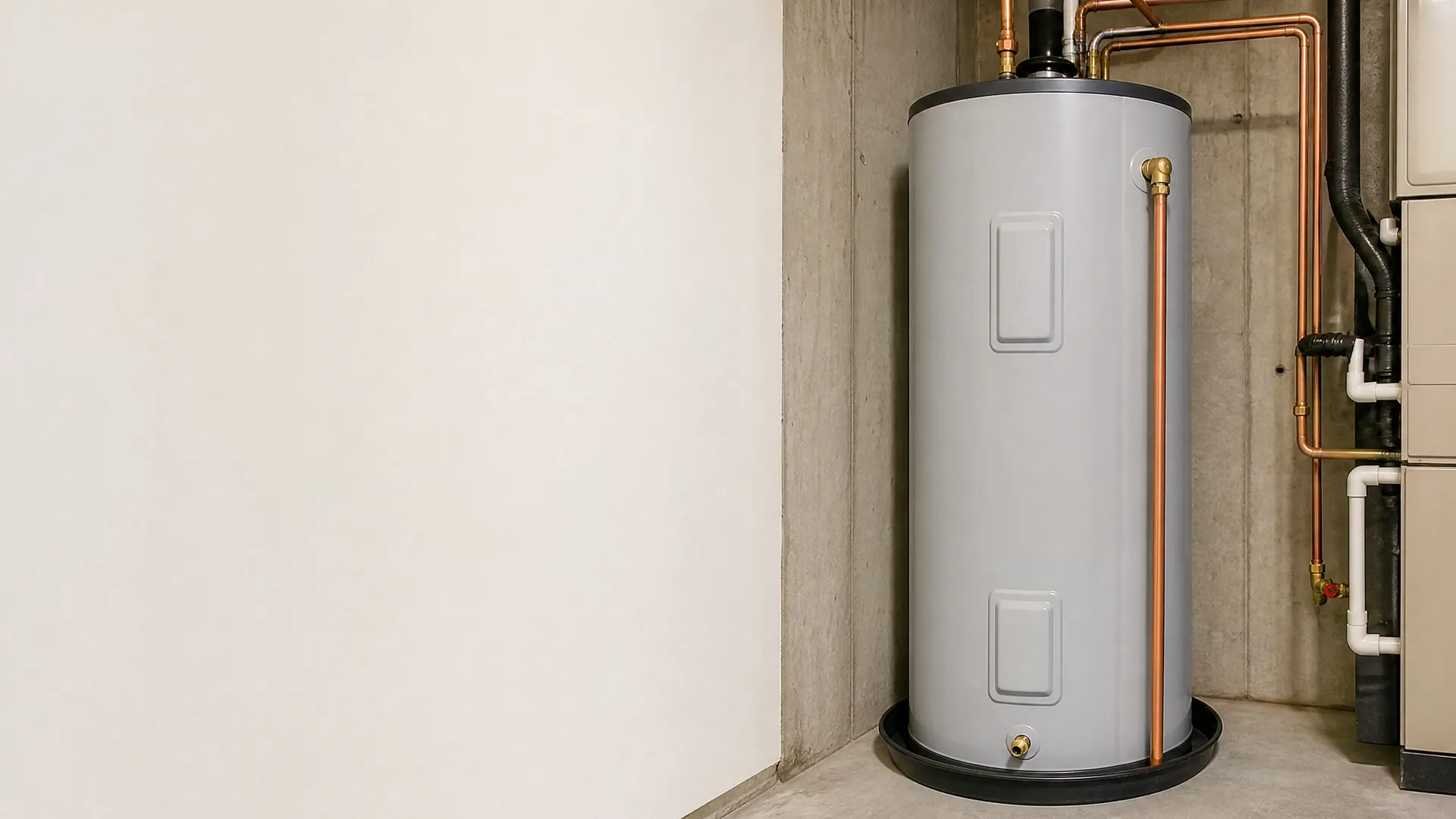
A failing part cuts supply
Gas water heaters recover faster than electric ones, so when hot water still runs short, the burner usually isn't getting a full, steady flame. A thermocouple or gas control valve that's starting to fail can let the burner cycle weaker than it should, or shut off sooner than it should. The tank never finishes heating a full load before it stalls out. From the shower, that feels the same as running out, even though the tank is still half full.
49.3% of homes statewide heat with gas
If your house is like about half the homes in Missouri, a gas water heater is doing the work. Gas recovers faster than electric, so a sediment problem can hide for a while before you notice it. Once that layer builds up enough, the drop in hot water shows up fast.
ACS 2020-2024 5-year B25040




A local pro for your water heater repair

Your request goes to one pro, not a list of companies.
Sending the form costs nothing.

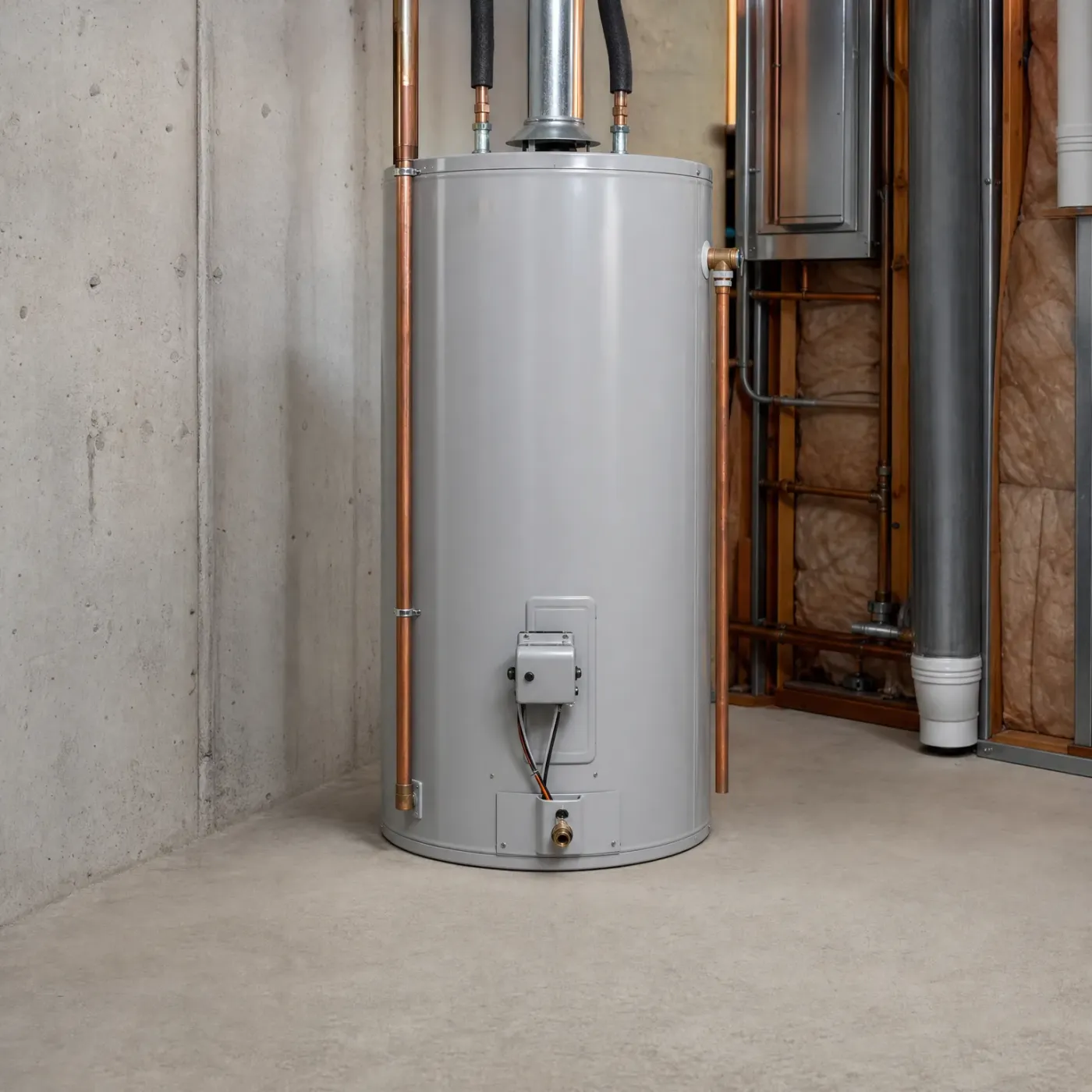
Sediment settles on the tank bottom, right above the burner.
The burner heats through that layer before it reaches the water.
Recovery between showers slows down without any change in use.
The thermostat still reads hot, so it never signals a problem.
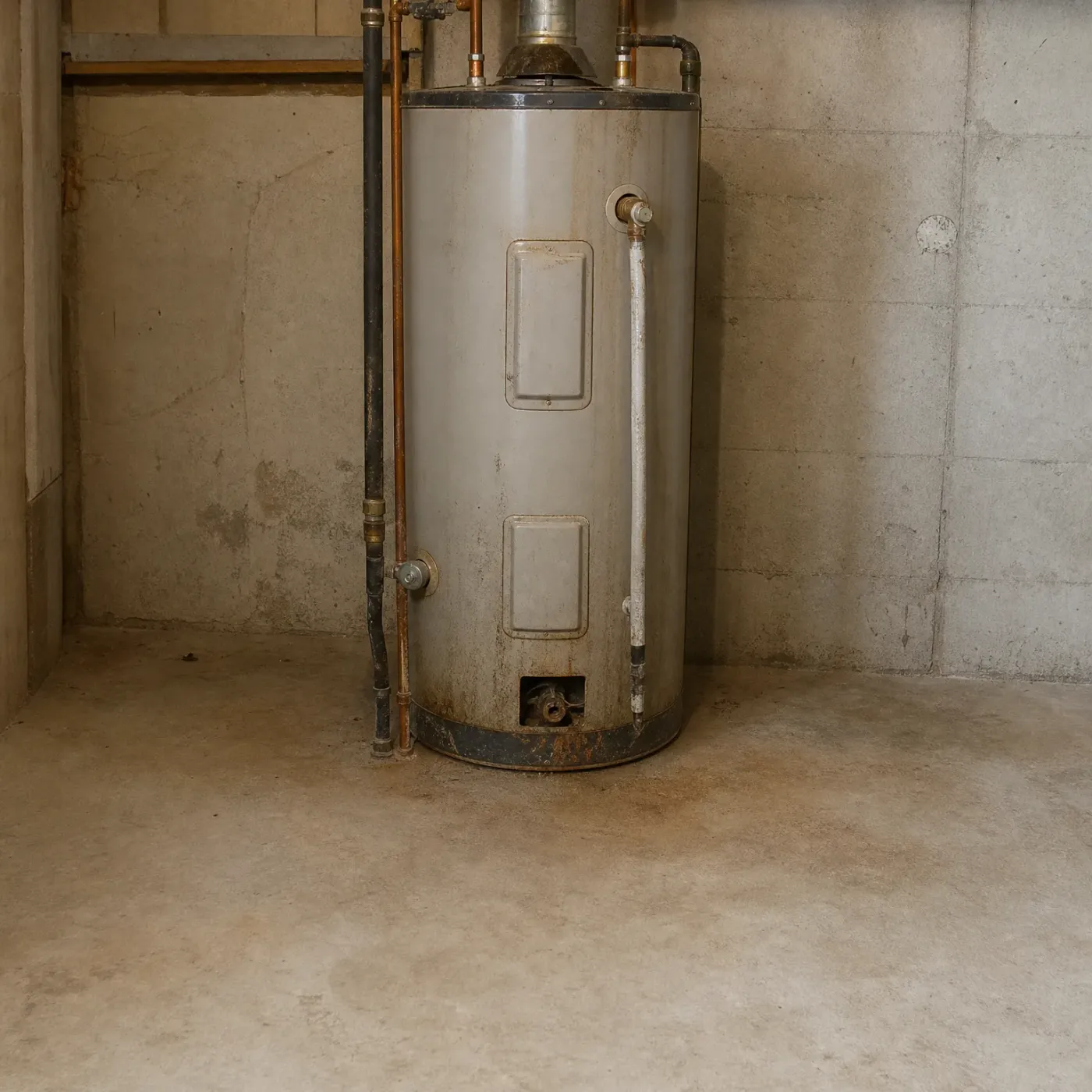
What you're probably noticing by now
The water goes lukewarm faster than it used to, then cold, and it happens at close to the same point in the shower every time. You might hear the burner kick on more than it used to, trying to keep up. Some houses notice a faint burnt or metallic smell near the tank, or a low rumbling or popping sound coming from inside it while it's heating. That sound is sediment shifting around on the bottom as the burner heats under it. Left alone, the tank keeps working harder to do less, and the burner and tank bottom take the wear for it. None of this fixes itself by using less hot water.
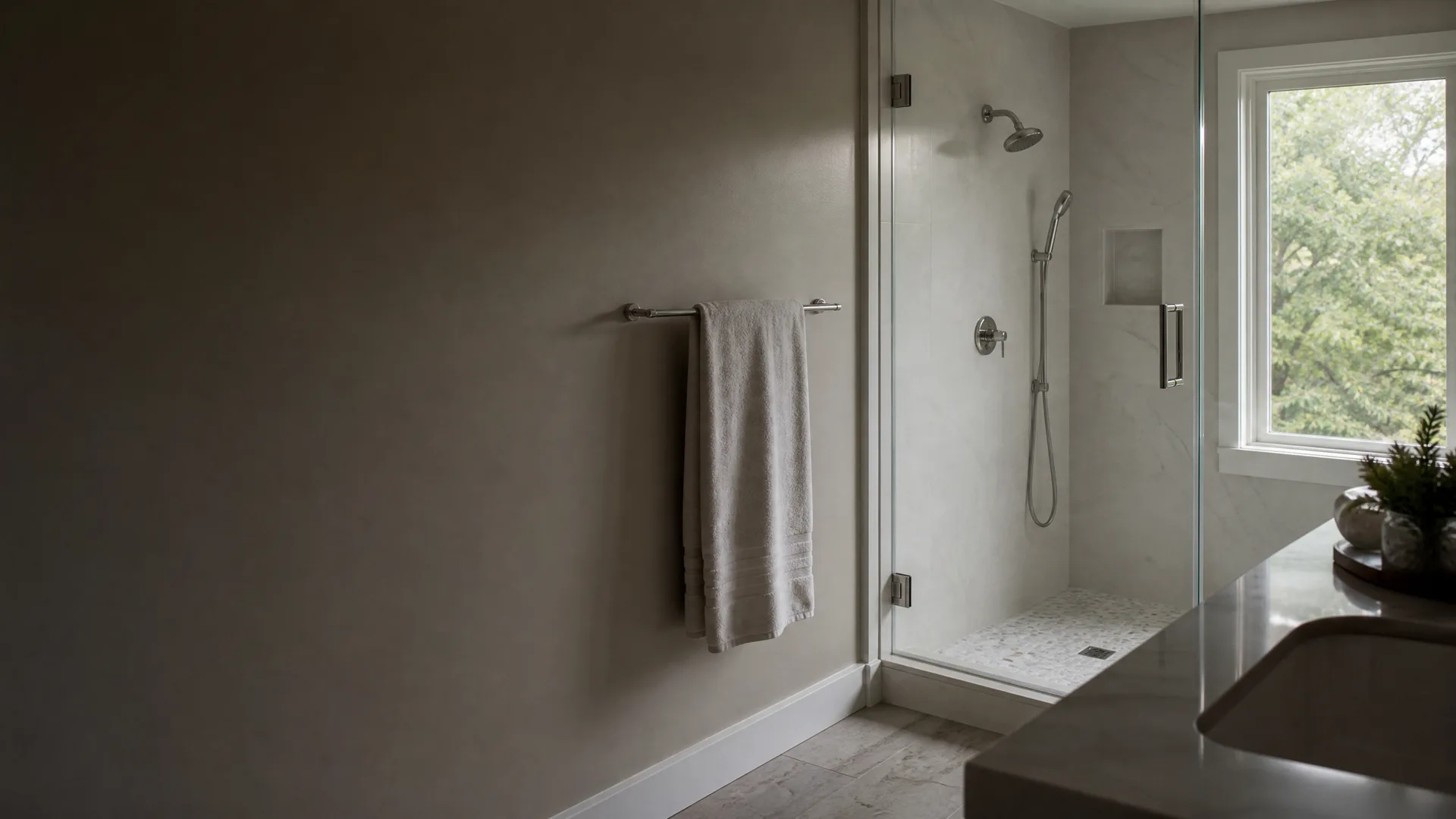
Monday morning, upstairs bathroom. You've got the shower running while you lay out clothes for work, waiting for the steam to build up on the mirror like it always does. It doesn't come. You reach in and the water's warm, not hot, and by the time you've got one foot in it's sliding toward cool. The towel's still on the rail, dry. You turn the handle further and get maybe another minute before it's just not worth standing in anymore. Downstairs, nobody's run the dishwasher. Nobody's done laundry. It's just you, on a weekday, trying to get out the door, standing in a bathroom that should have hot water and doesn't.

A shorter shower isn't something you have to live with
Sediment on the bottom of the tank is the usual reason a gas water heater starts falling short, and it doesn't fix itself. The layer only gets thicker, and the hot water window only gets shorter, until a flush and a look at the burner and the thermostat sort out what's actually going on underneath.
A local contractor who works on water heaters all year has seen this exact pattern plenty of times, in houses not unlike yours. Once you're matched with one, they'll reach out and look at your unit specifically, not a general case. You'll hear from one contractor, not a handful of them competing for your call.


Water Heater Repair
Get the right pro for your water heater

- Tell a local repair pro what your water heater is doing.

- Once you send the form, finding a pro is off your list.
- After you send the request, you're done searching.

- Answer a few questions instead of calling shop after shop.
- Describe your water heater job once, to one pro.

- Only one pro gets your request, so you hear from one company.
- Your request stays with one local pro.