For most Missouri households, a 40 to 50 gallon tank water heater covers the house, since most homes here run on gas and a gas tank recovers fast enough to keep up with a family of three or four. The right size comes down to two things: how many people are using hot water and how many are drawing it at once. A household of one or two can often get by with 30 to 40 gallons. A bigger household, or one where someone runs the shower while the dishwasher is going, needs 50 gallons or more to avoid running cold partway through. If a tank-style unit no longer fits how the house uses hot water, a tankless unit sized to the home's peak demand is worth having a contractor walk through, since it depends on the number of fixtures running together rather than a stored amount. Either way, the unit already in the house is a starting point, not the answer.
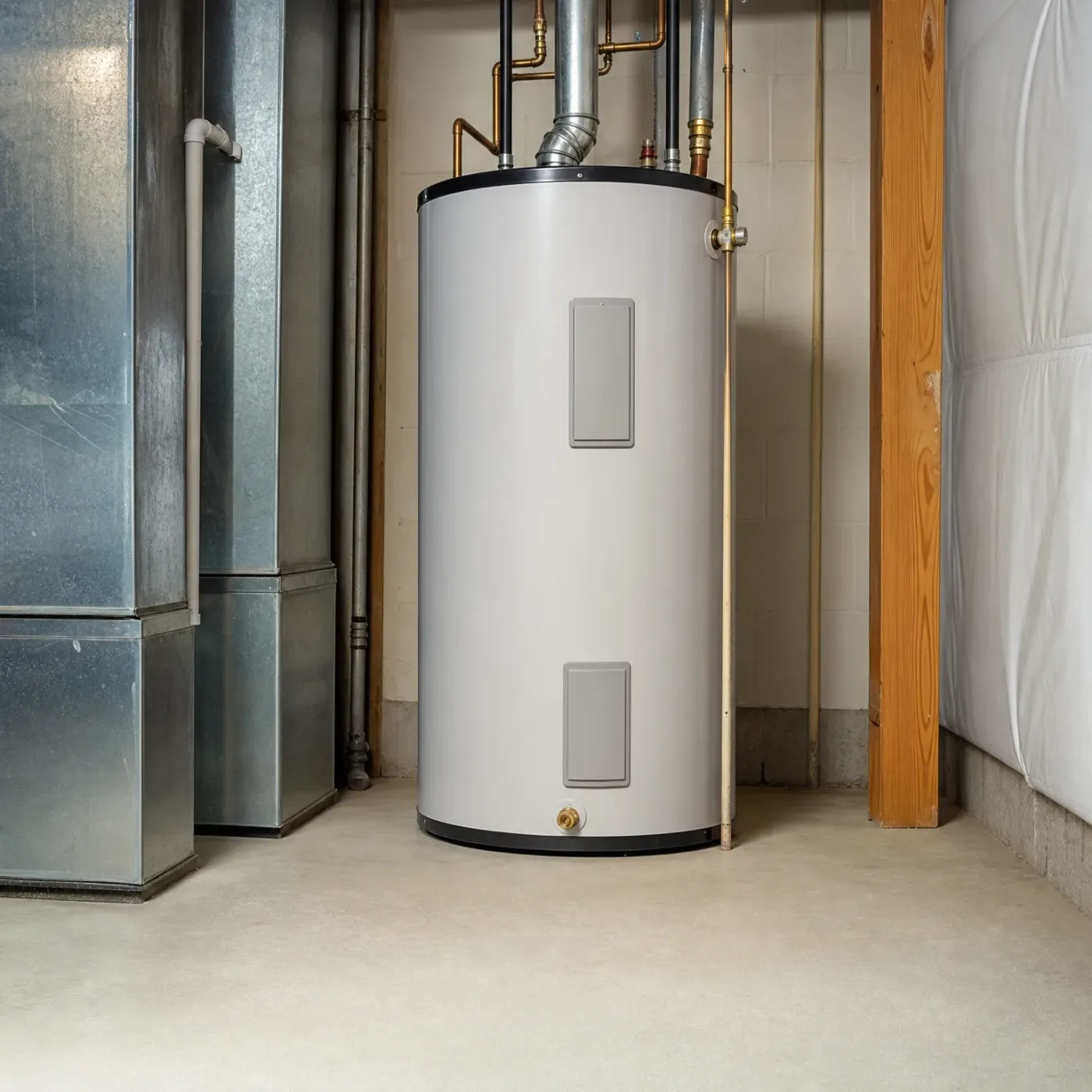
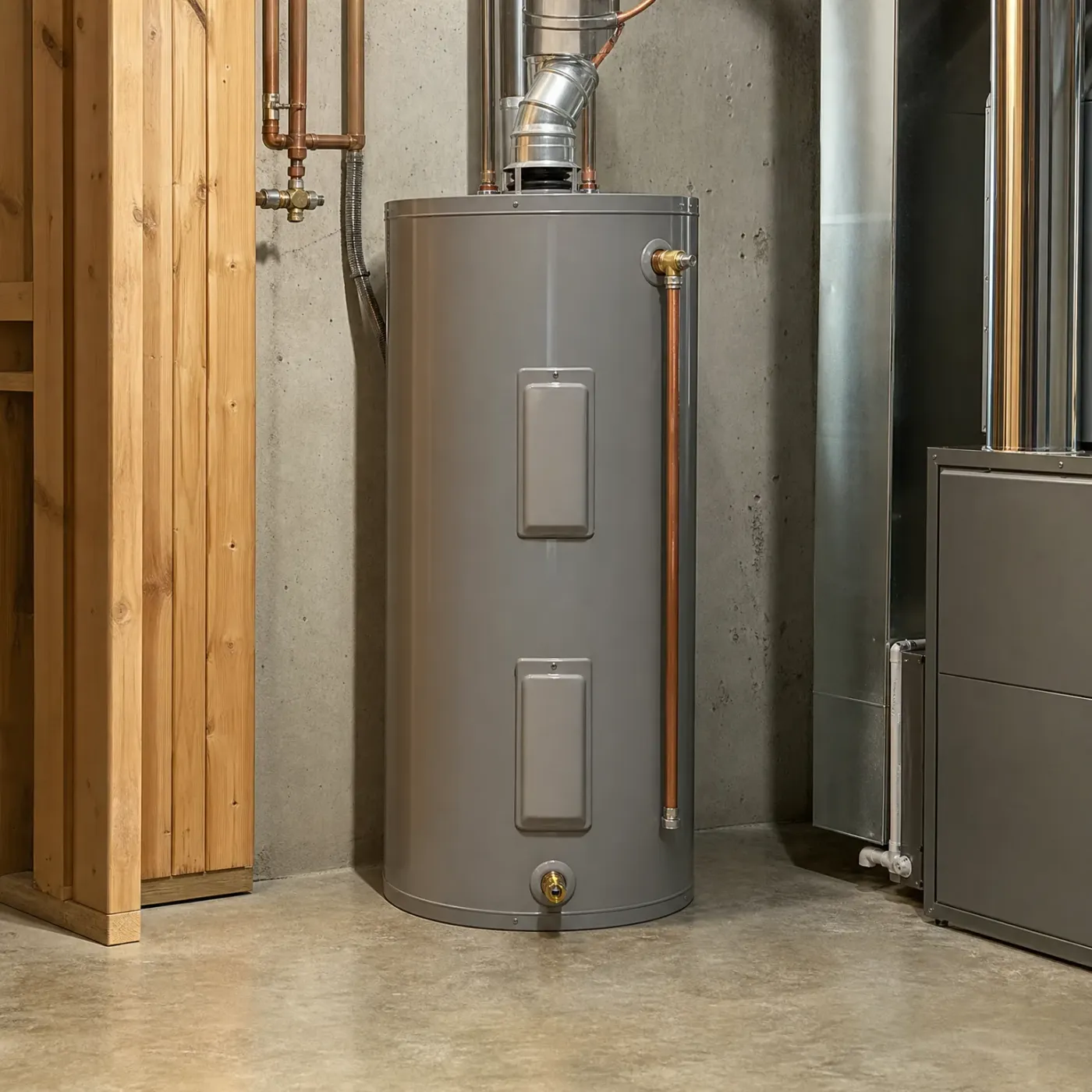
Sized right, running steady
This electric tank sits with room to spare around it, the panels clear, the drain valve reachable. A 50 gallon electric tank suits a house of four if everyone isn't showering back to back. Recovery is slower than gas, so sizing up matters more here.
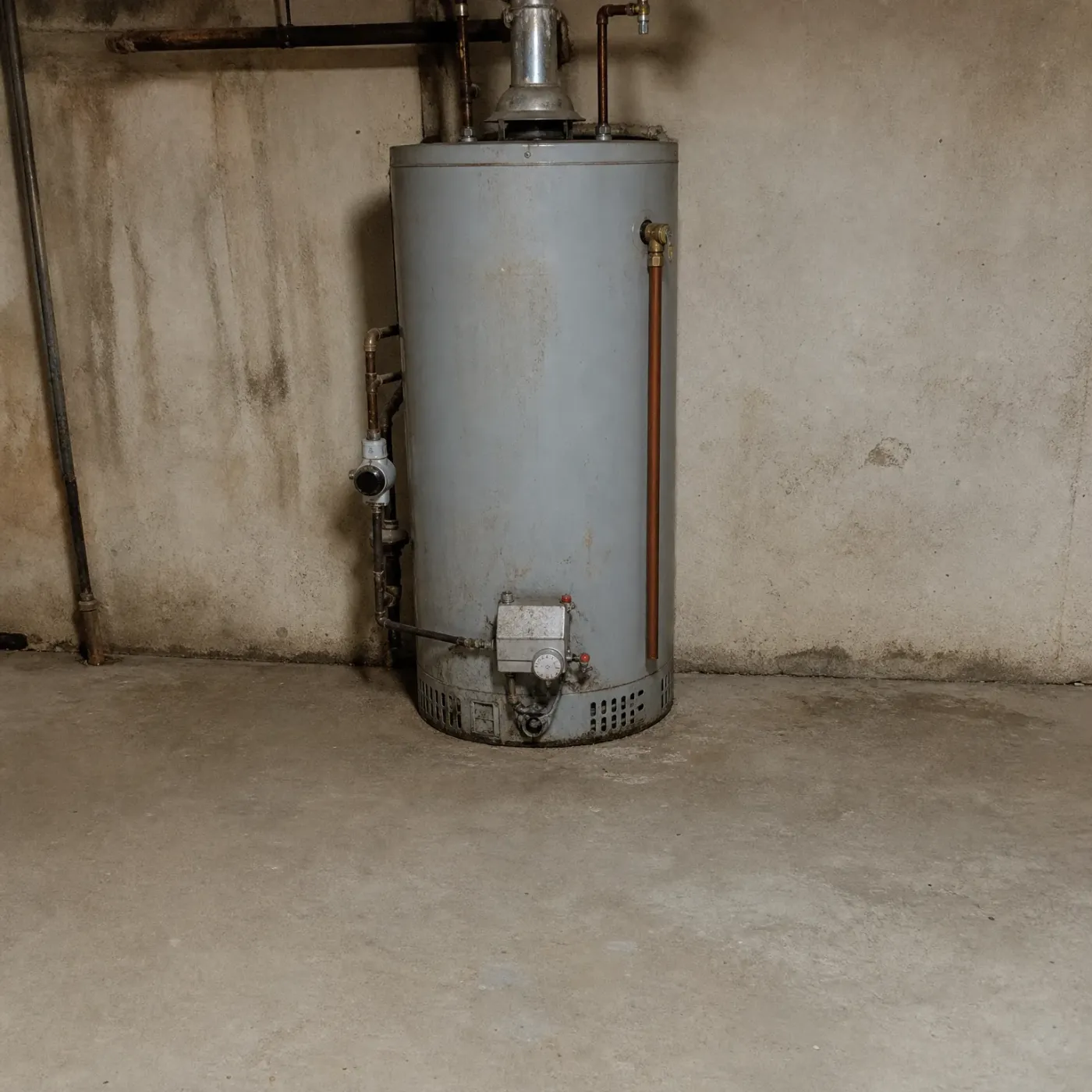
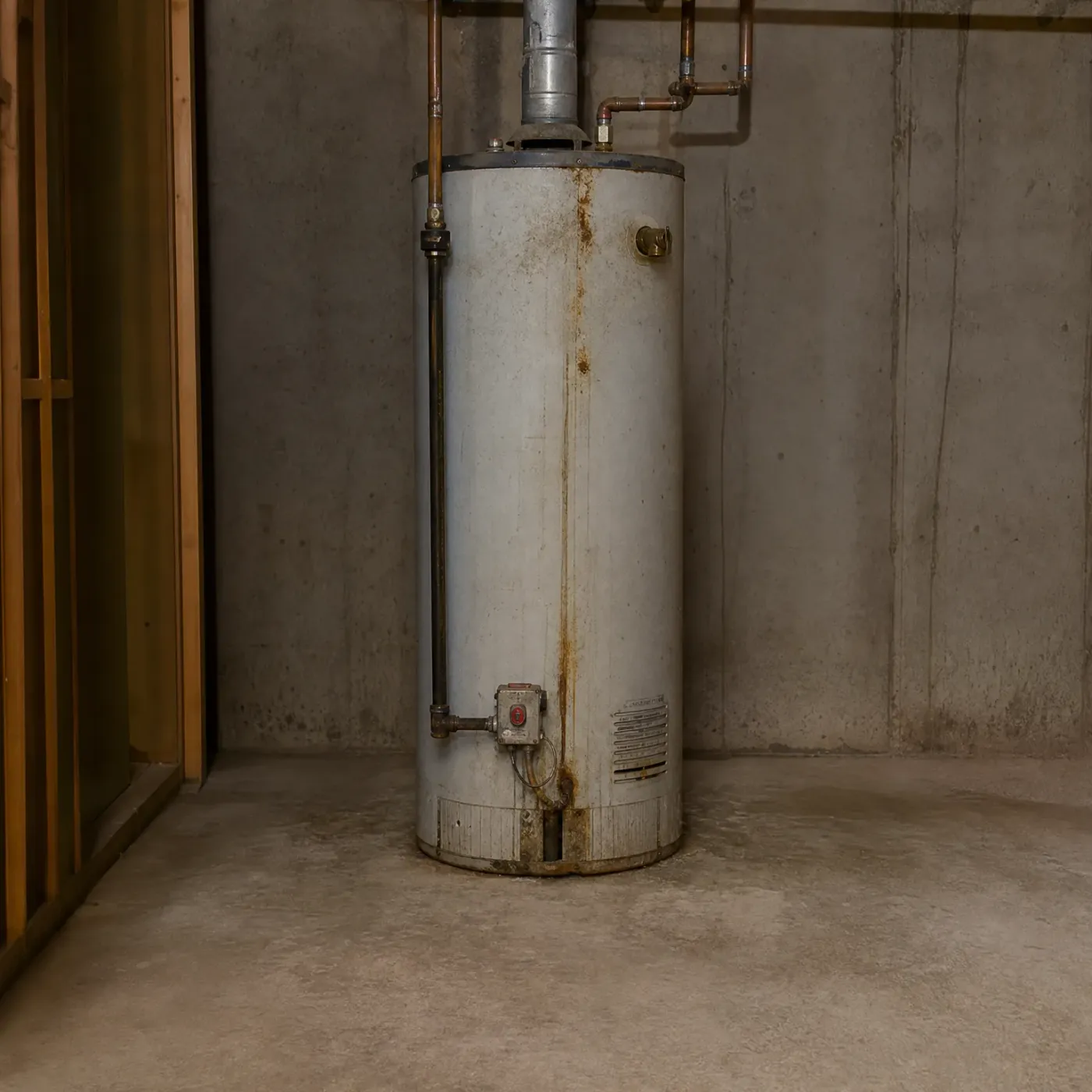
Sized wrong, working harder
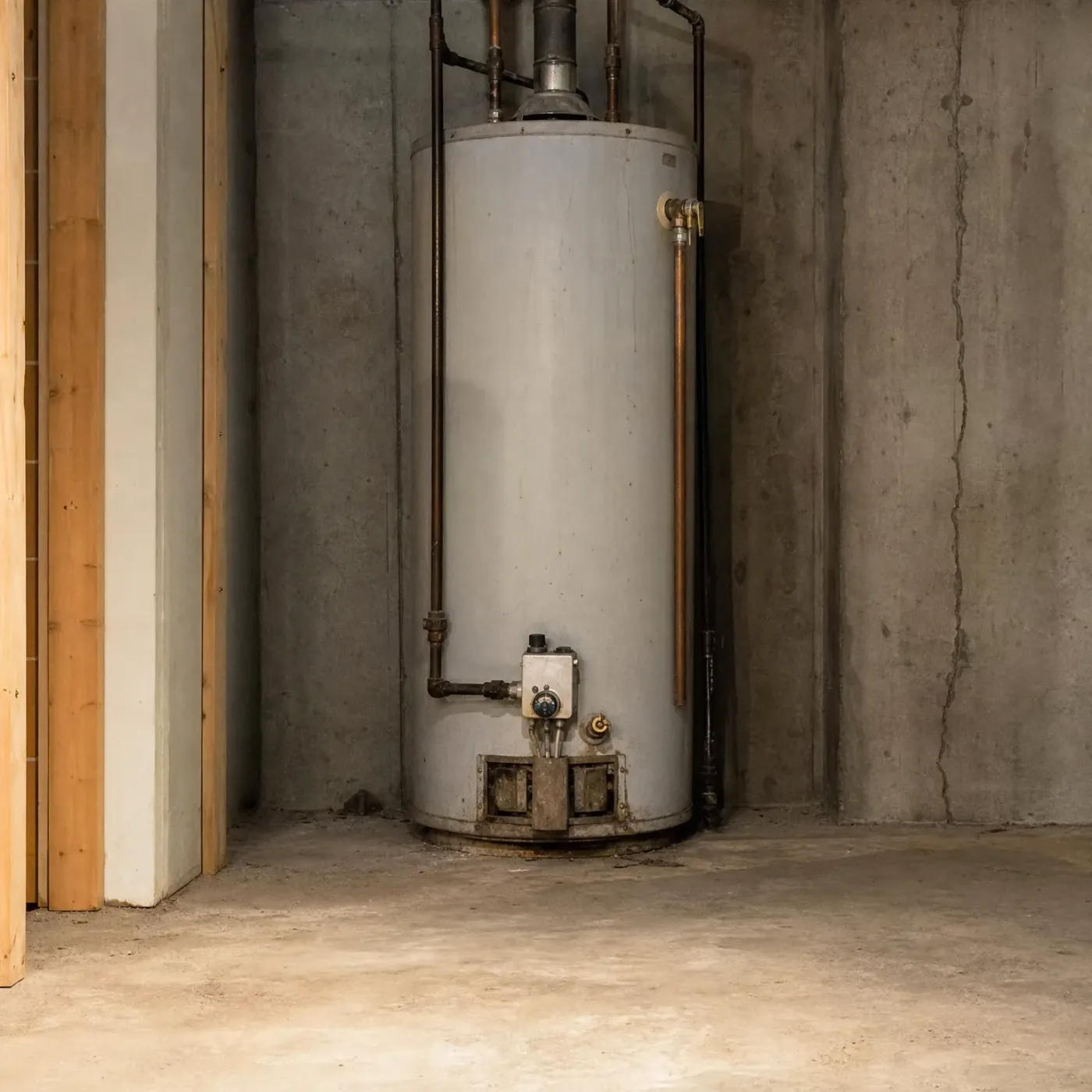
A gas tank this old may still be the original size for a smaller household than lives there now. If it's undersized, the gas control cycles more and the house runs out of hot water before the last shower. Check the flue vent and relief valve for wear too.
How many gallons do I need for a family of four?
You've got four people in the house, which usually means mornings when two showers happen close together and the dishwasher runs the same evening. You want a number, not a range, so you're not guessing at the store or arguing with whoever's installing it about what's actually enough.
A 50 gallon gas tank is the right call for most four-person Missouri homes
A 50 gallon gas tank gives a family of four enough hot water for back to back showers plus laundry or dishes without running cold partway through. Gas recovers faster than electric, so the tank doesn't need to hold quite as much to keep up. If the house runs on electric instead, sizing up to account for slower recovery matters more than the tank size itself. The exception is heavy use, two showers running at once most mornings, a soaking tub, a hot tub filled from the house line. That calls for 50 gallons on the larger end or a second look at a tankless setup.
Send the form and stop researching installers for the new water heater.
No charge to send it. You decide if you hire them.
Why gas recovers faster
A gas burner heats the water straight through the tank, so a 40 gallon gas tank can keep pace with a house that would need a 50 gallon electric tank to do the same job. Electric heaters rely on two elements working one at a time, and that takes longer between draws. In a house with back to back showers, that difference shows up as a cold burst at the worst moment. Gas sizing numbers run smaller for this reason, not because the tank holds less work.
What a tank's first hour rating means
The first hour rating on the yellow EnergyGuide label tells you how many gallons of hot water the unit delivers in sixty minutes, starting full. It accounts for tank size and recovery speed together, which is why two tanks of the same gallon count can have different ratings. A household with a busy morning routine should match the first hour rating to that routine rather than the tank size alone. It's printed right on the label at the store, so you can check it before you buy instead of guessing from gallons.
Before you get your water heater installationAfter you get your water heater installation
Undersized
Showers turn cold with people still waiting, the water heater straining to catch up between uses. A family that's outgrown its tank feels it every morning, not just on busy ones.
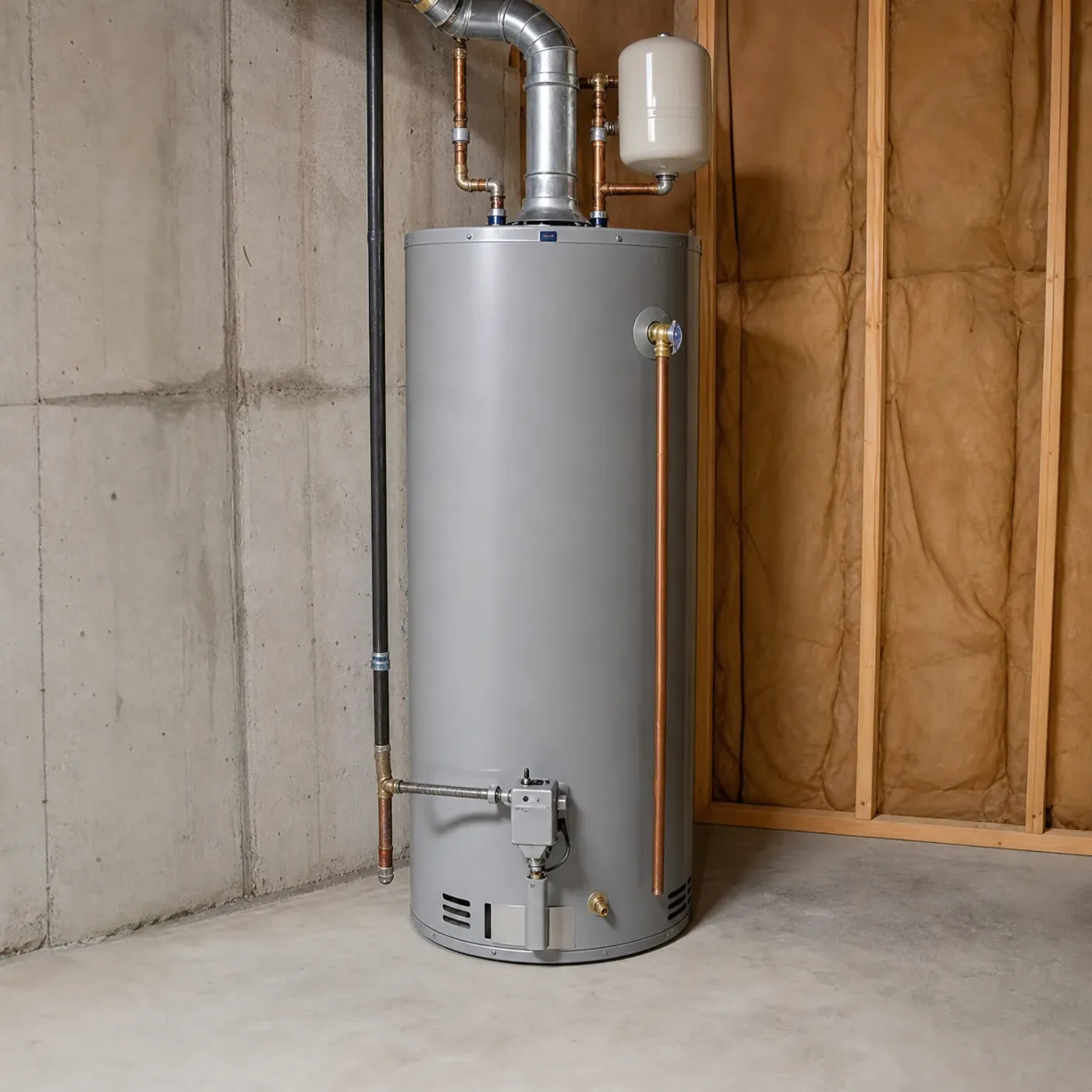
Clear access, a tank sized for the house, no strain on it
Rust working through the tank and lines like this often means it's past sizing right and needs replacing
49.3% of homes statewide heat with gas
Just under half of Missouri homes run on gas, and chances are yours is one of them. Gas water heaters recover faster than electric, which is why you can usually size down a bit and still keep up with the house.
ACS 2020-2024 5-year B25040
1
Cold water enters the tank through the dip tube.
2
The thermostat checks temperature and signals the burner or element.
3
Gas flame or electric element heats water inside the tank.
4
Hot water rises and exits through the outlet at the top.
Get the size right and the rest takes care of itself
Most houses in Missouri do fine with a 40 to 50 gallon gas tank. The number that matters is how many people live there and how close together they shower, and you can check that against what's already in your basement or utility closet right now. If the tank you have matches the house, it just works. If it doesn't, you feel it every morning.
A water heater sized for your house is not something you have to figure out alone. Once you send in your information, a licensed contractor who works on homes like yours in Missouri will reach out and take it from there, looking at your actual setup instead of a general rule. You'll know where you stand without spending another evening guessing at gallons.
A local pro for your water heater installation
Once you send the form, finding a pro is off your list.