
A pilot that holds
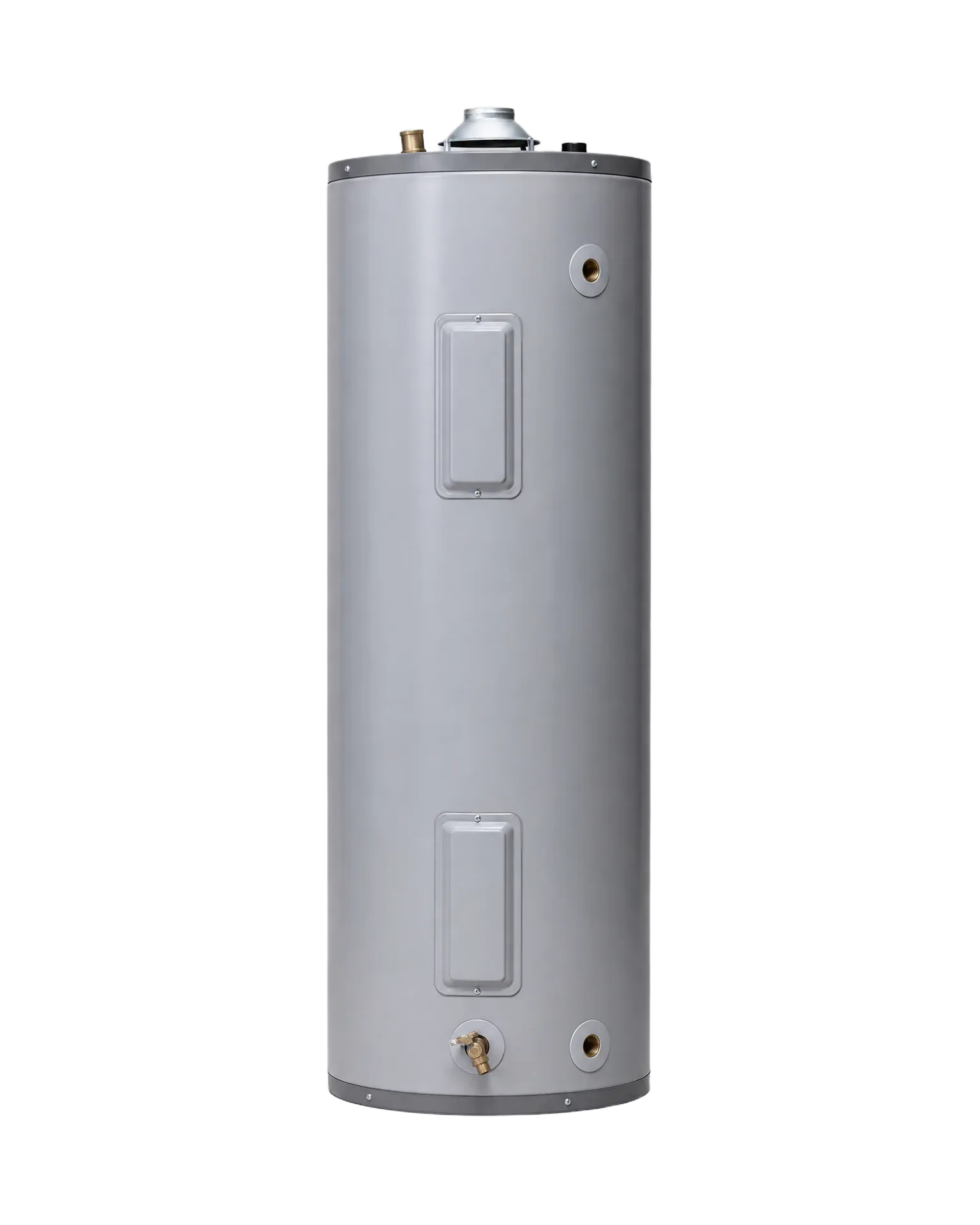
This is what a gas water heater looks like when the pilot stays lit. The flame burns steady at the thermocouple tip, the flue draws smoke straight up and out, and the tank heats water on its normal cycle without you touching it.
A pilot that won't stay lit usually comes down to one of three things: a dirty or worn thermocouple, a draft hitting the pilot tube, or a buildup of soot blocking the flame sensor. The thermocouple is the most common cause. It's a small copper rod that sits in the pilot flame and tells the gas valve the flame is burning. Once it wears out or gets coated in residue, the valve reads no flame even when one is lit, and it shuts the gas off. Missouri summers get humid, and that moisture can work into the burner compartment and speed up corrosion on these parts. A draft from a utility room vent or a door left open nearby can also snuff the pilot out on its own, no part failure involved. If it's going out more than once or twice, that's not something to keep relighting on your own. It's worth having someone check the thermocouple, the pilot assembly, and the gas valve before the water heater stops working altogether.


The thermocouple sits in the pilot flame for one reason: it has to prove to the gas valve that the flame is burning before the valve will stay open. If the tip sits off to the side, or soot has built up on it, the valve reads that as no flame and shuts the gas off, even while the pilot is burning right in front of you. That is why relighting it over and over doesn't fix anything. The part is either out of position or dirty, and neither one corrects itself.
Draft is the second cause, and it's easy to miss because the pilot tube pulls its air from the same space around the burner. A door opening down the hall, a basement vent blowing the wrong way, anything that moves air through that compartment can pull the flame sideways long enough to break contact with the thermocouple. It won't always happen at the same time of day, which is part of what makes it hard to pin down without checking.
If the valve has a reset button, it needs to be held in for near a minute, not a few seconds, or the pilot drops out again right after you let go. And if the thermocouple and the draft both check out, the flame sensor is next. Soot on that sensor can cut the gas within seconds of lighting. Working through these in order, thermocouple, draft, sensor, keeps a repair from turning into three separate trips.
Describe what your water heater is doing once, in one form.
Sending the form costs nothing.
This is what a gas water heater looks like when the pilot stays lit. The flame burns steady at the thermocouple tip, the flue draws smoke straight up and out, and the tank heats water on its normal cycle without you touching it.
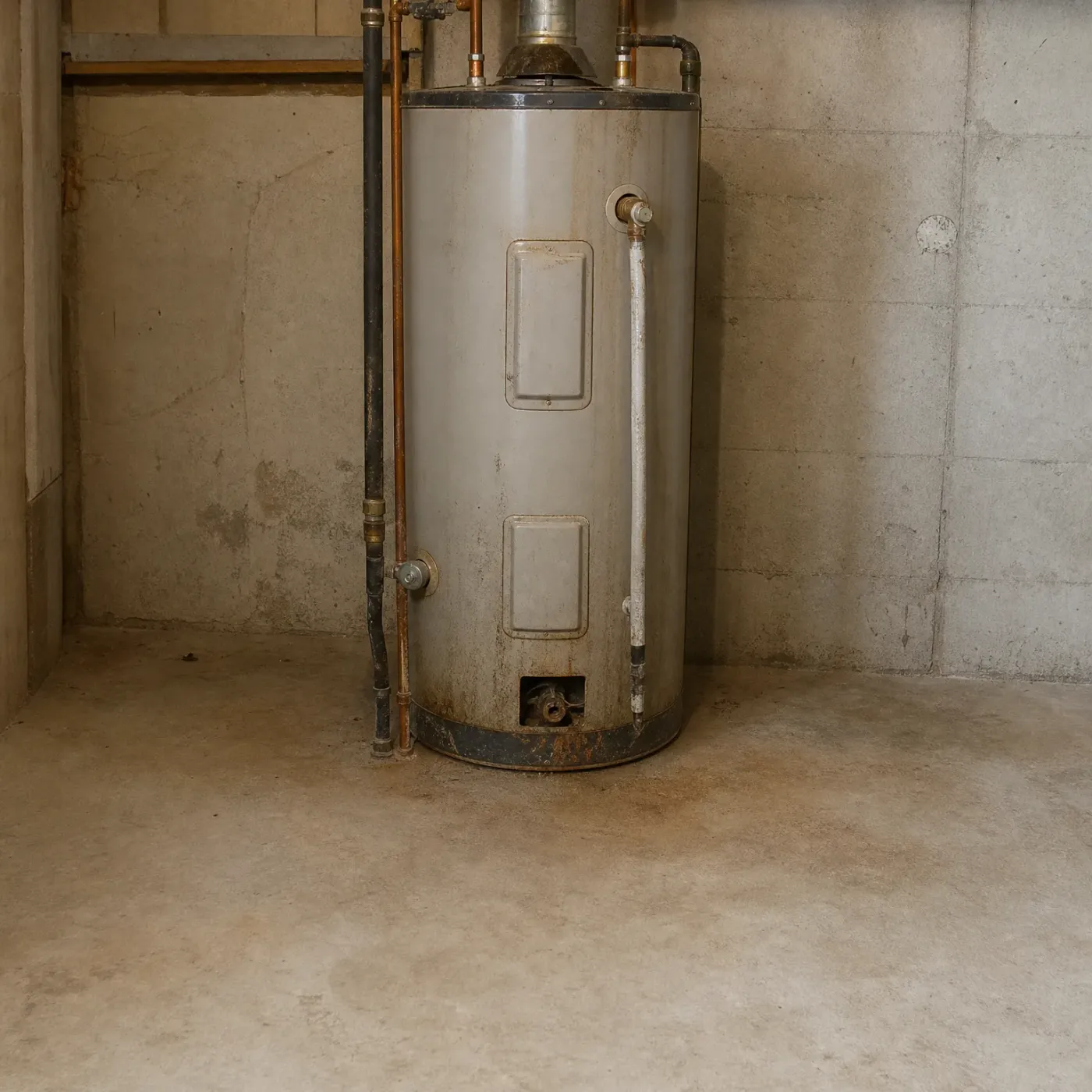
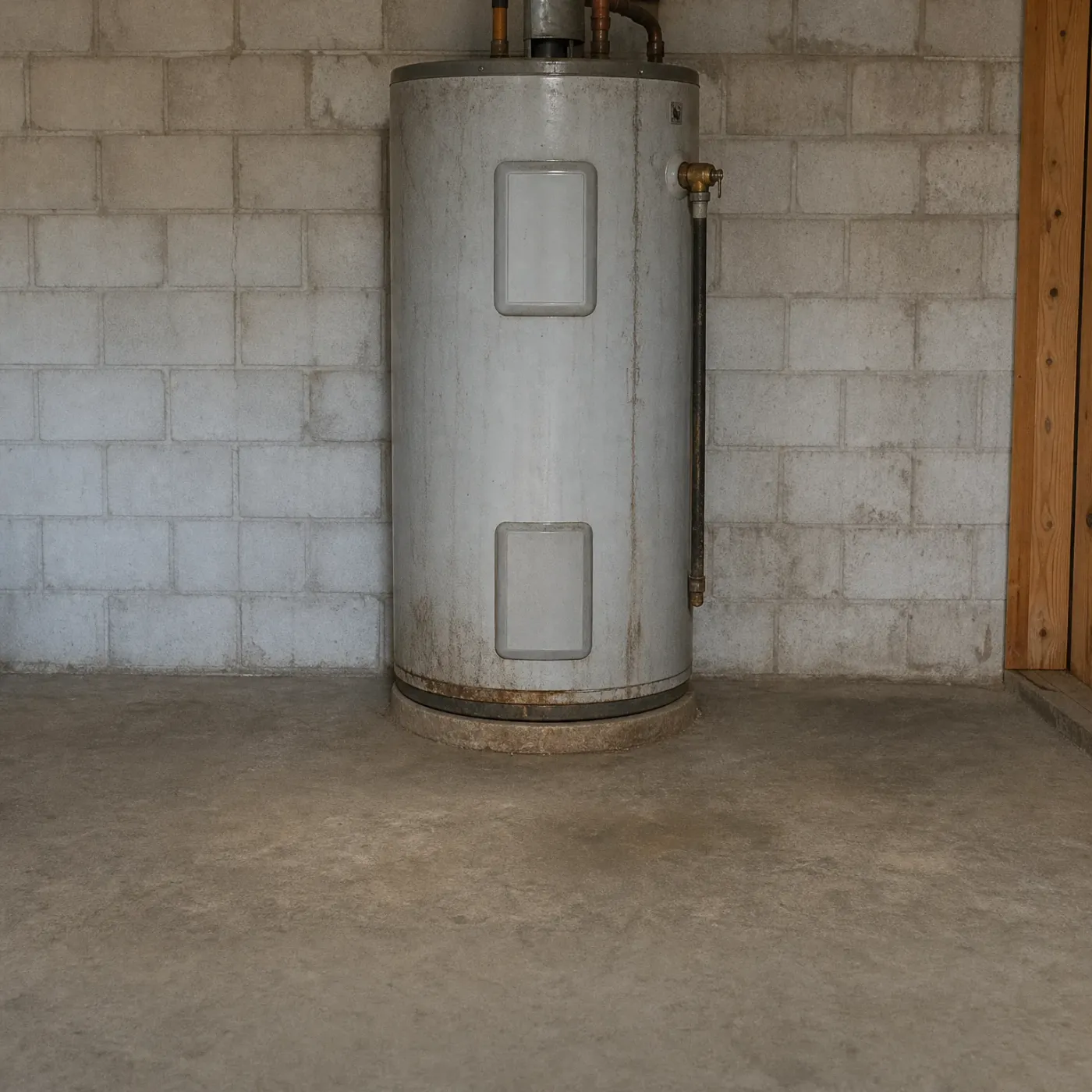
Corrosion like this at the base often tracks with a pilot that won't hold. A thermocouple can read false signals even when the tank itself still has some life left in it. Rust this far along is worth a contractor's eyes regardless.
You relight it, it holds for a day or two, then you're back down in the basement with a lighter again. Maybe you notice the water running lukewarm instead of hot, or the burner clicking without catching. Sometimes there's a faint gas smell right when you strike the match, gone a second later. If the tank sits near a vent, a door, or a drafty crawlspace wall, you might feel cold air moving across the burner compartment when you kneel down to check it. A pilot that won't hold means the water heater isn't making hot water reliably, and if the thermocouple is failing rather than just dirty, it can eventually stop sensing the flame at all and shut the gas valve down for good.
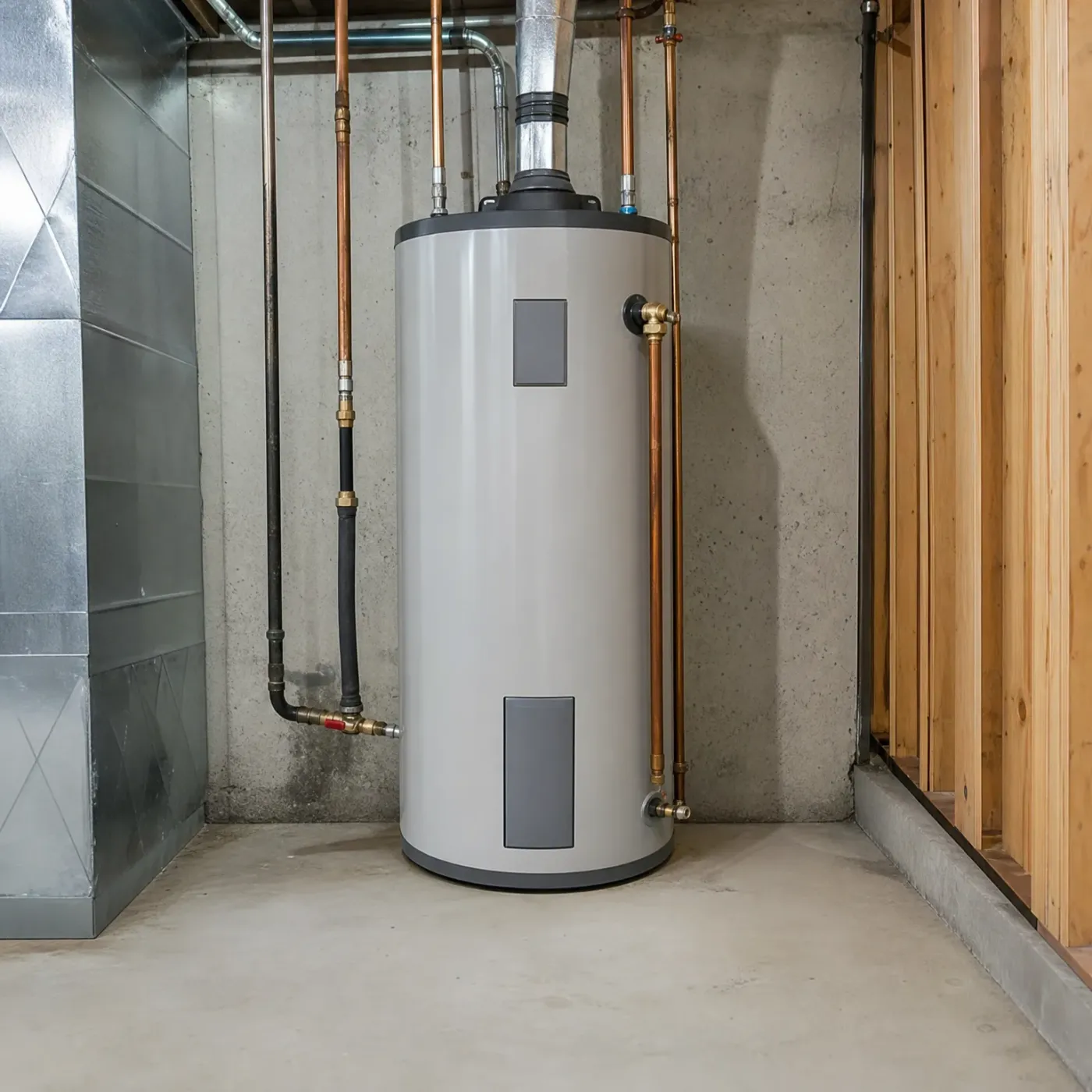
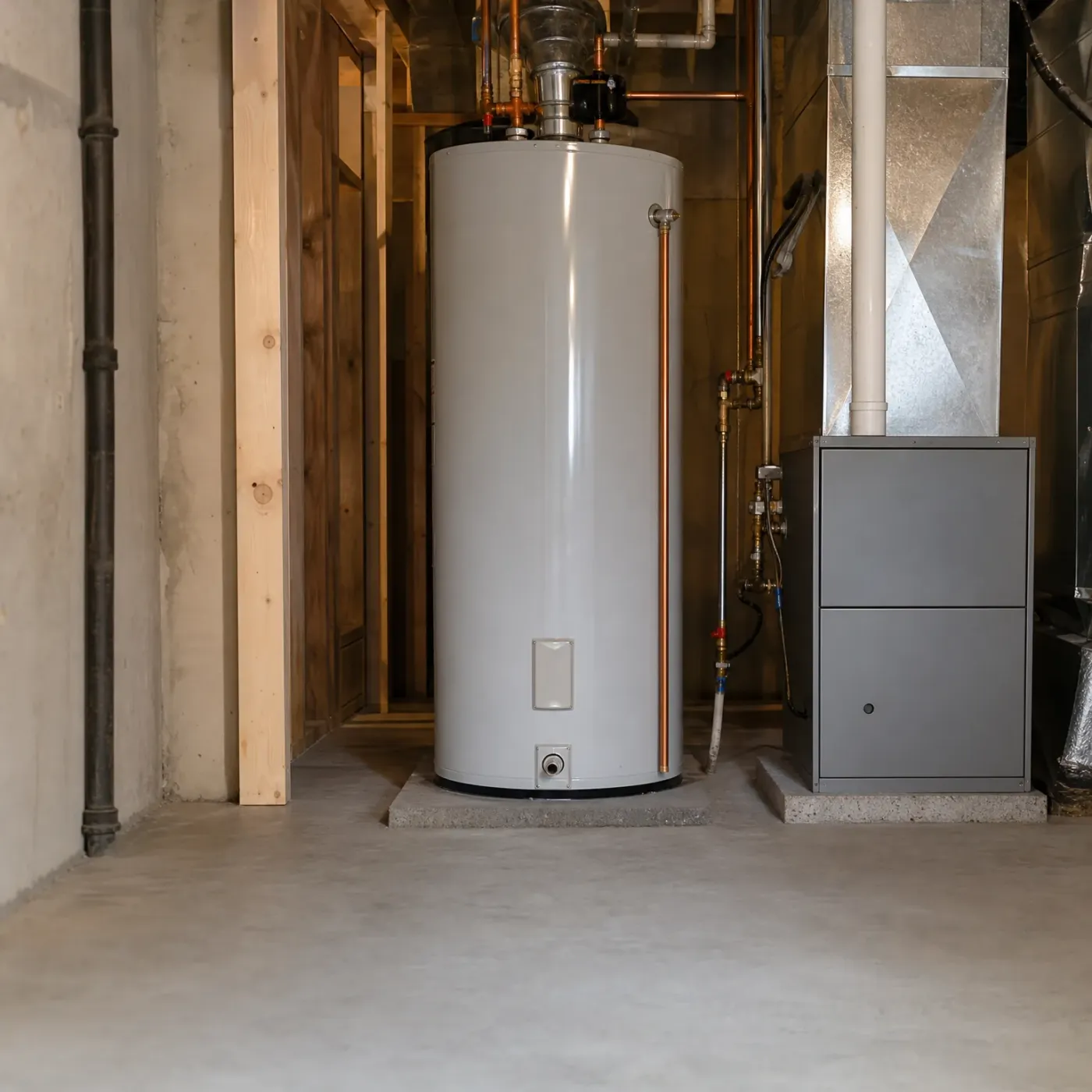
This is a water heater with a steady pilot. The flue draws clean, the gas line and copper pipes sit tight at their fittings, and the tank cycles on its own schedule. You walk past it in the basement and never think about it.
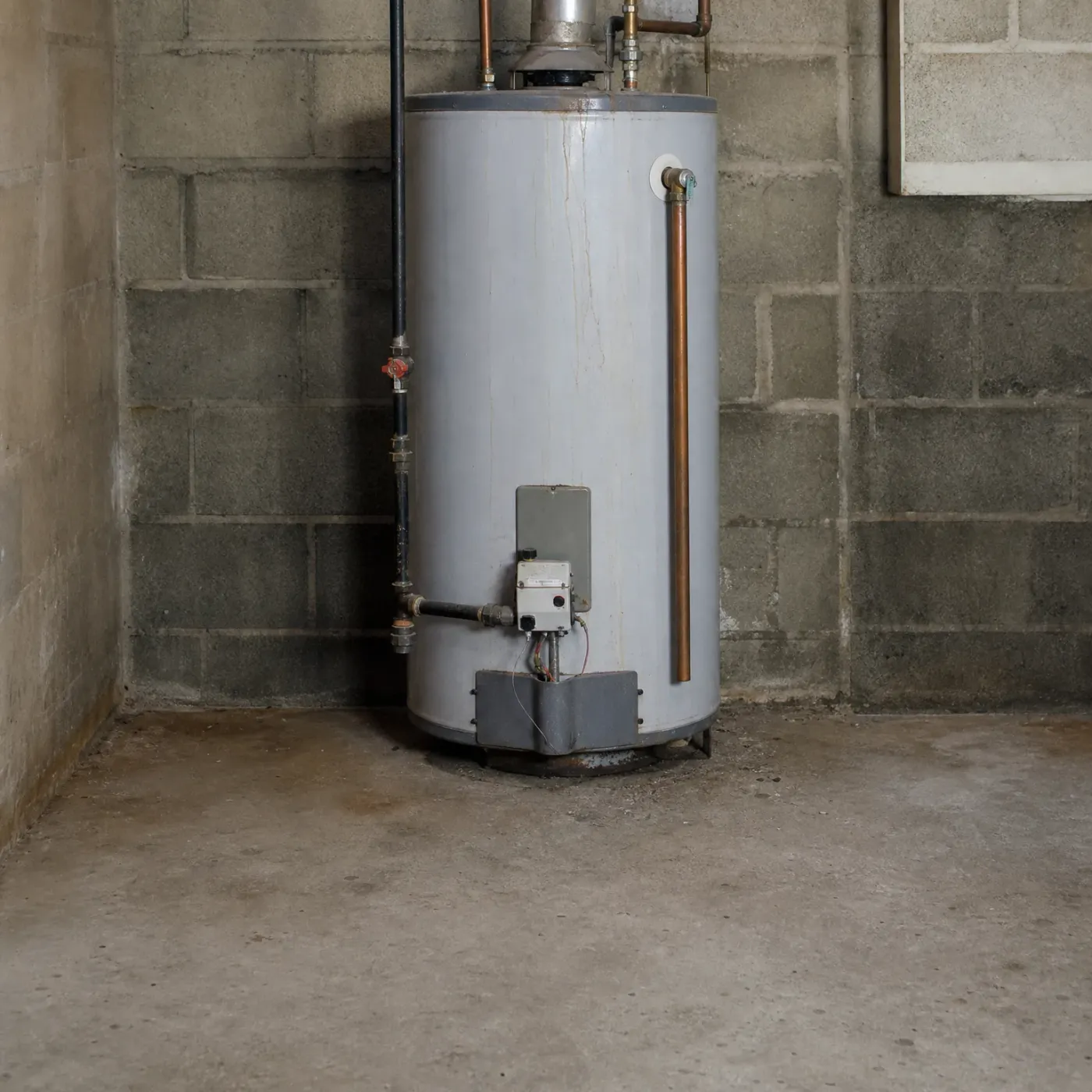
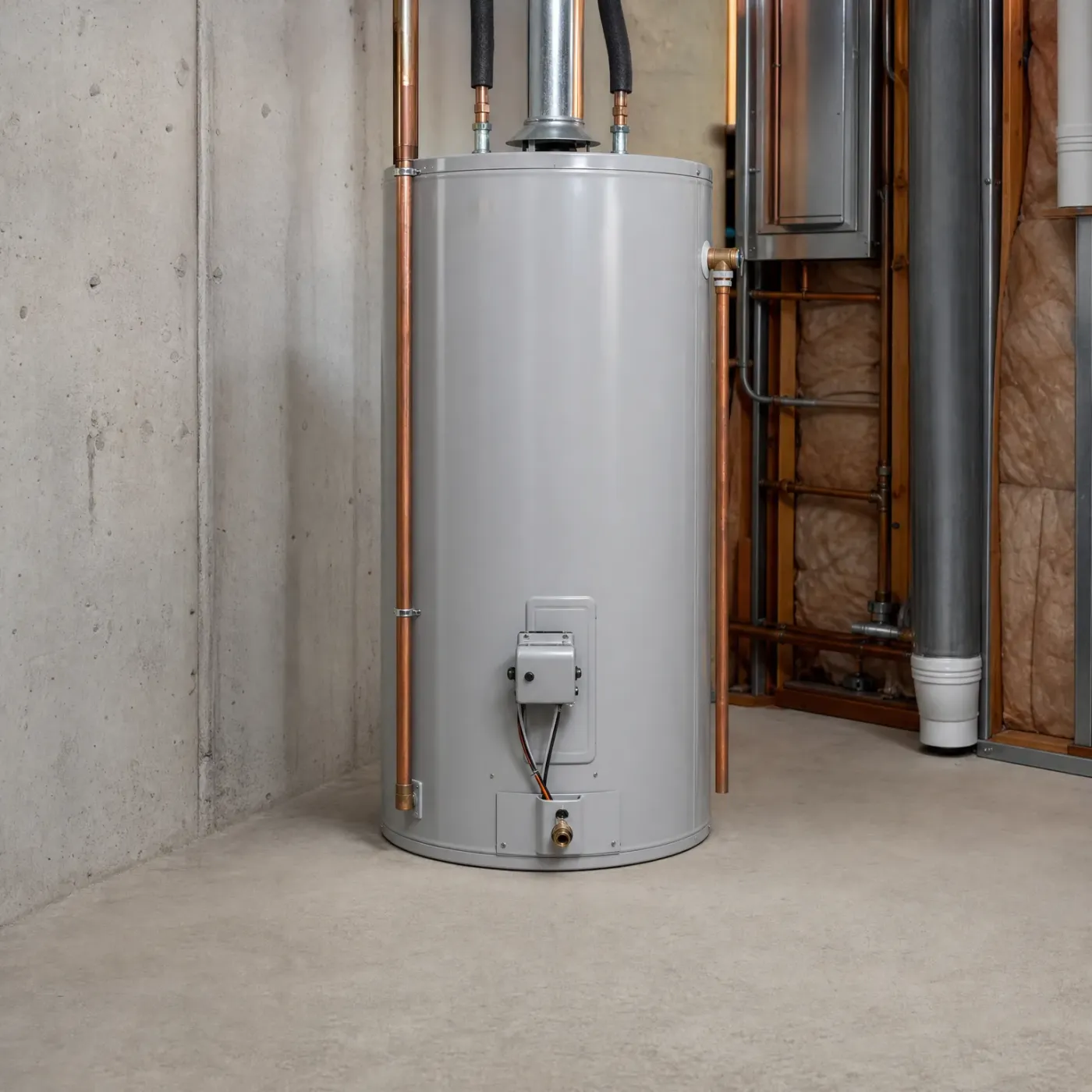
Same water heater, same basement corner, but the pilot won't stay lit past a day or two. The gas valve and control unit at the base are where the trouble usually starts. Left alone, you lose hot water until someone relights it again.
With close to half the homes in Missouri heating with gas, yours is likely one of them, and that means a pilot light to keep lit. A gas furnace sitting near the water heater can throw the same drafts that blow out the pilot tube, so if one acts up, check the other.
ACS 2020-2024 5-year B25040

A worn thermocouple, a draft on the pilot tube, or soot on the flame sensor. Someone who can get under the tank with a light and a cleaning brush can usually tell which one in a few minutes. Once it's found, the fix is straightforward: clean the part, replace it, or move what's causing the draft.
Right now you're the one tracking down who can actually do this, checking reviews, calling around to see who answers, explaining the same thing about the pilot going out again each time. Send the form once and that part is done. You won't be the one finding a plumber in Missouri who works on gas water heaters; you'll be the one who already found one.


One request and it's handed off