Tell us about the job
Takes about a minute. No obligation.
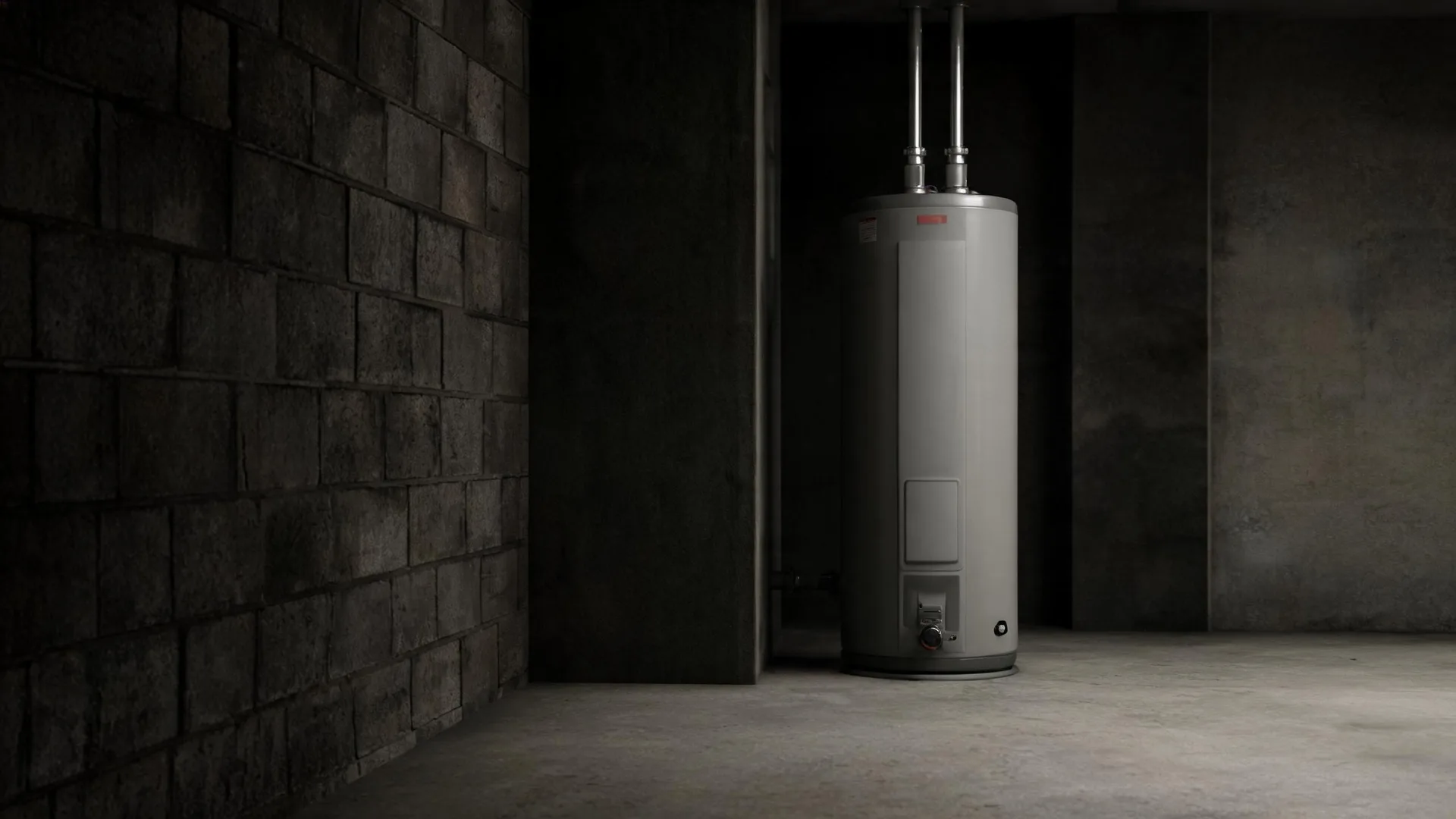
Gas venting, combustion air, and supply line condition are what a contractor establishes before quoting a water heater replacement here. Utility gas heats more occupied homes in Boone County, Missouri than any other fuel, at 48.2% (2020-2024 ACS 5-year). With gas this entrenched in the housing stock, the infrastructure a replacement slots into is almost always already in place, and the contractor is sizing and specifying within that constraint rather than reworking it. The flue connection, draft conditions, and line pressure all carry forward from the existing installation, so their condition at the time of replacement decides what the new unit can do.
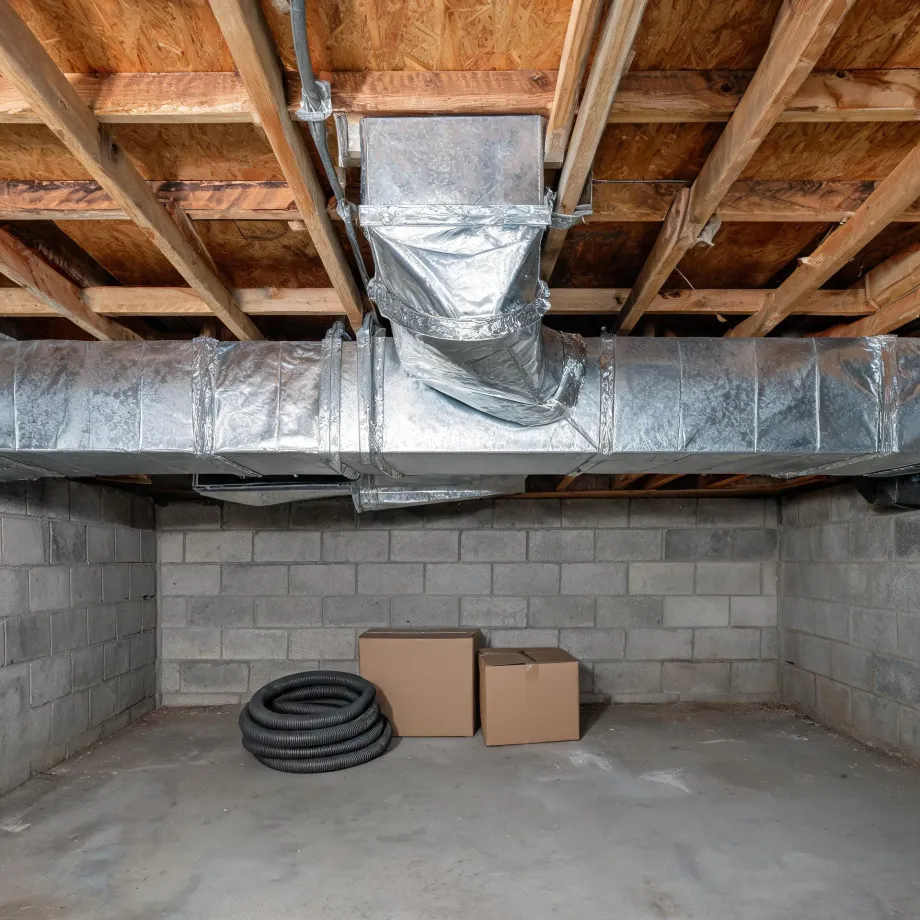
Electrical service is what decides how a water heater installation goes in a lot of Boone County homes. Half the homes in Boone County, Missouri were built in 1991 or earlier (2020-2024 ACS 5-year). Wiring put in for the equipment of that era was sized to a different load, and a contractor pricing a new water heater has to establish what the existing panel will actually carry before the unit is even selected. If the service needs upgrading, that work runs alongside the installation, and the quote reflects it.
What a New Water Heater Installation Puts in Your Home
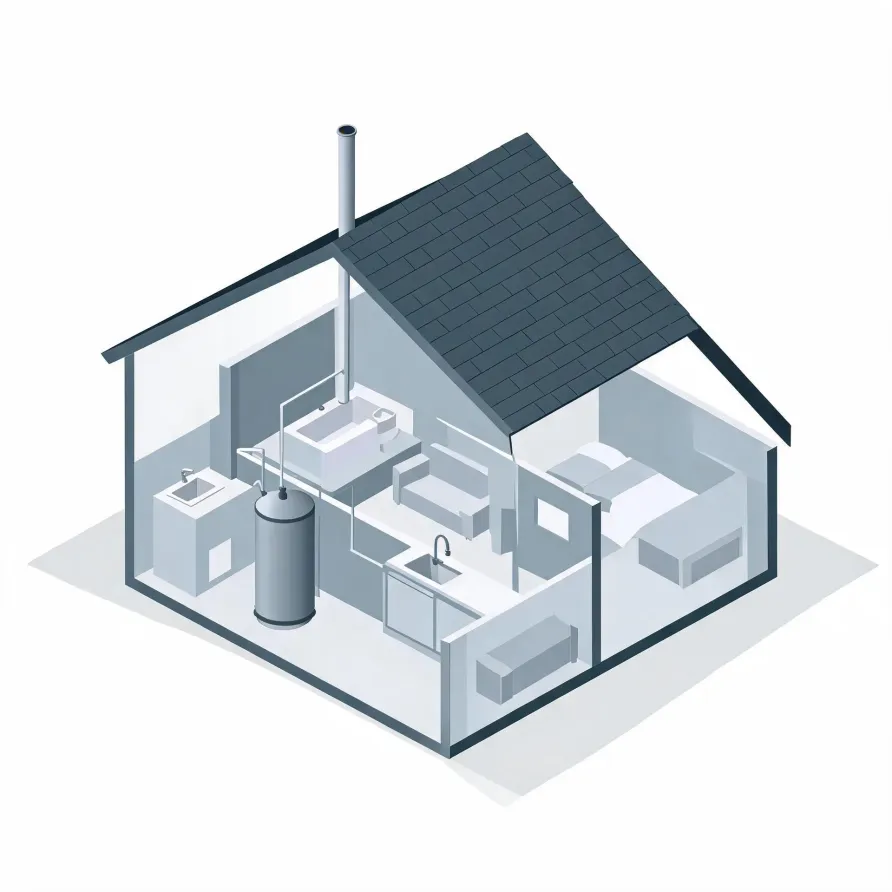
The tank is the piece you will see first. It sits in a utility room, basement, or garage and holds a supply of water that a gas burner or electric heating element, mounted inside the lower portion of the tank, keeps at a set temperature. A thermostat attached to the tank tells the element or burner when to fire.
A pressure relief valve mounts on the side of the tank and acts as a safety release if pressure inside climbs too high. The cold supply line feeds into the top of the tank, and a separate hot outlet line carries heated water out to the rest of the house. An anode rod hangs inside the tank to slow corrosion of the tank walls.
The drawing shows a typical layout, and a licensed contractor determines what fits the specific conditions of your home.
Get matched in Boone CountyBoone County, by the numbers
84 severe weather events were recorded in Boone County, Missouri between 2015 and 2024.
NOAA National Centers for Environmental Information, Storm Events Database, bulk CSV export, events 2015-01-01 through 2024-12-31.Half the homes in Boone County, Missouri were built in 1991 or earlier (2020-2024 ACS 5-year).
U.S. Census Bureau, 2020-2024 American Community Survey 5-Year EstimatesBoone County, Missouri holds 81,675 housing units (2020-2024 ACS 5-year).
U.S. Census Bureau, 2020-2024 American Community Survey 5-Year EstimatesOwners occupy 57.7% of the occupied homes in Boone County, Missouri (2020-2024 ACS 5-year).
U.S. Census Bureau, 2020-2024 American Community Survey 5-Year EstimatesSevere Weather Events in Boone County
Boone County's weather puts real demands on water heating equipment, driving harder and more frequent recovery cycles depending on the year. What a water heater handles here is a local question, and that makes local conditions worth knowing before any installation decision.
84 severe weather events, 2015–2024. Source: NOAA National Centers for Environmental Information, Storm Events Database.