
Tank or tankless water heater for a Missouri home
Should I get a tank or tankless water heater in Missouri?
You're replacing your water heater or planning ahead for when it fails, and you keep seeing tankless units advertised as the upgrade. Before you decide, you want to know what actually makes sense for a Missouri home, not just what sounds newer or more efficient. Gas is the common fuel here, and that fact alone changes the math on this decision more than most ads let on.
A gas tank water heater is the simpler choice for most Missouri homes
Tankless units work best with gas, and gas is how most homes here already heat their water, so either option is on the table. A gas tank heater costs less to install and replaces like for like if your gas lines and venting are already set up for one. Tankless heats water on demand instead of storing it, which means no standby loss, but it needs a larger gas line and a different vent setup, and that work adds to the install. If your house already has a gas tank heater, swapping it for another one is the straightforward path. If you're weighing the switch to tankless, the gas line and venting are what decide whether that's a simple install or a bigger project.
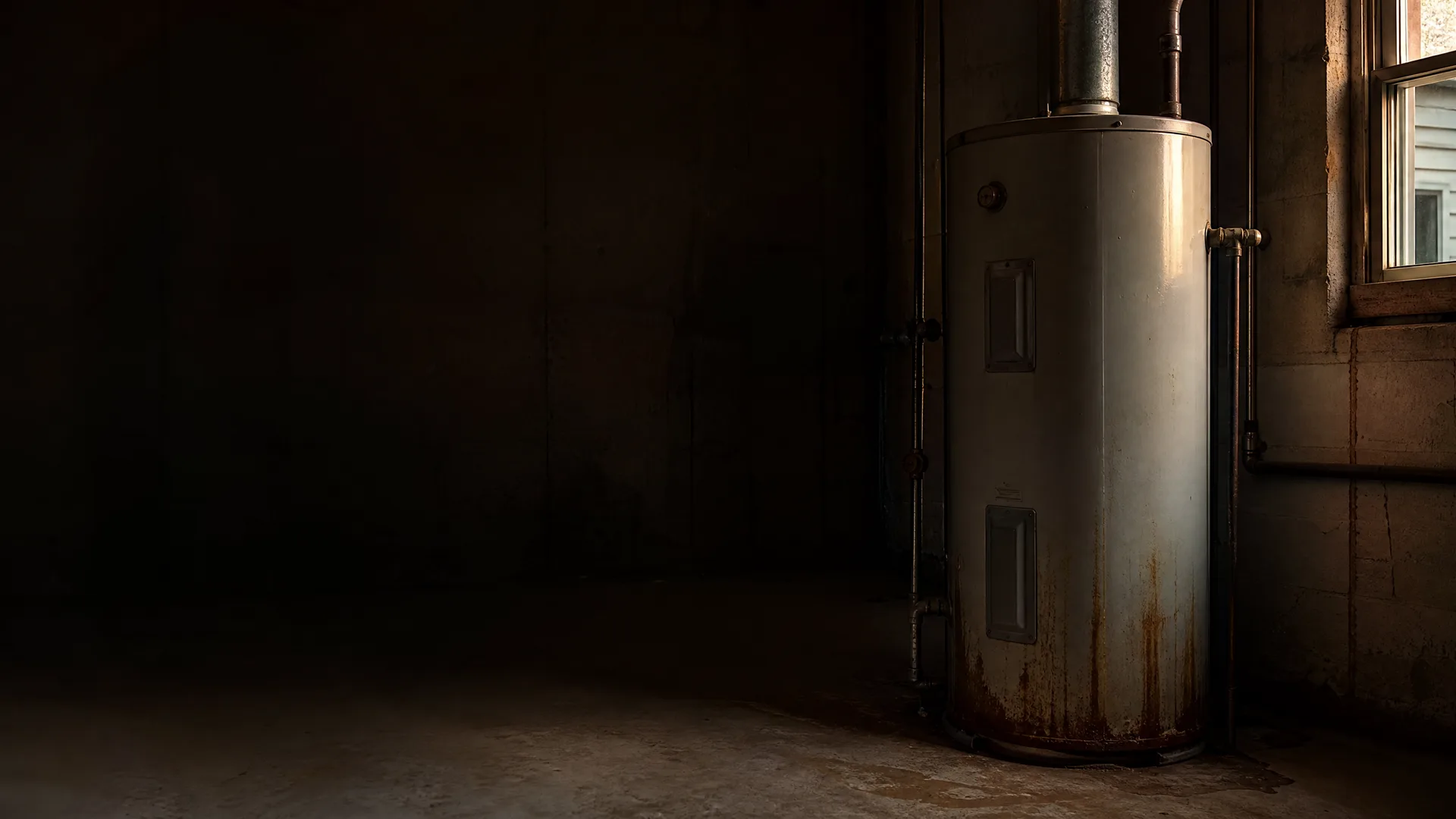
You're down in the utility room after dinner, flipping the breaker back because the dryer tripped it again. The bulb overhead is dim, and that's when you notice the rust at the base of the tank, streaking down toward the floor drain like it's been there a while. You crouch down and touch it. Damp. Not dripping, just damp, the metal gone soft and orange along the seam. It's early spring, still cool enough that you had the furnace on this morning, and now you're standing here doing the math on how old this tank actually is and whether it's going to make it to summer.
Is your water heater actually telling you something right now
Walk down to where your tank sits and look at it straight on. Rust around the fittings at the top, or a damp ring on the floor underneath, means the tank itself is giving out, and no amount of flushing fixes that. Run the hot water and listen. A rumbling or popping sound is sediment baked onto the bottom of the tank, and it means the unit is working harder than it should to heat the same amount of water. If your gas burner takes two or three tries to light, or the pilot won't stay lit, that's the burner assembly wearing down. Left alone, a failing tank can split and dump forty gallons or more onto your floor with no warning at all.




Get your water heater to the right pro
A gas tank unit and a gas tankless unit both do the job here, but they ask different things of your home. Tank heaters are simpler to install if your gas line and venting already match what's there. Tankless units need a bigger gas line in a lot of cases, and different venting, which is why the install matters as much as the unit itself. With cheap power in Missouri, an electric tank still costs little to run, so the tankless case has to rest on hot water demand, not on the electric bill. If your household runs showers back to back or fills a big tub, tankless keeps up where a tank runs out. If it's just steady, ordinary use, a tank does the same job for less work to put in. Either way, what you have for gas and venting decides what's realistic before cost ever enters it. A contractor who looks at your setup can tell you which one actually fits it.
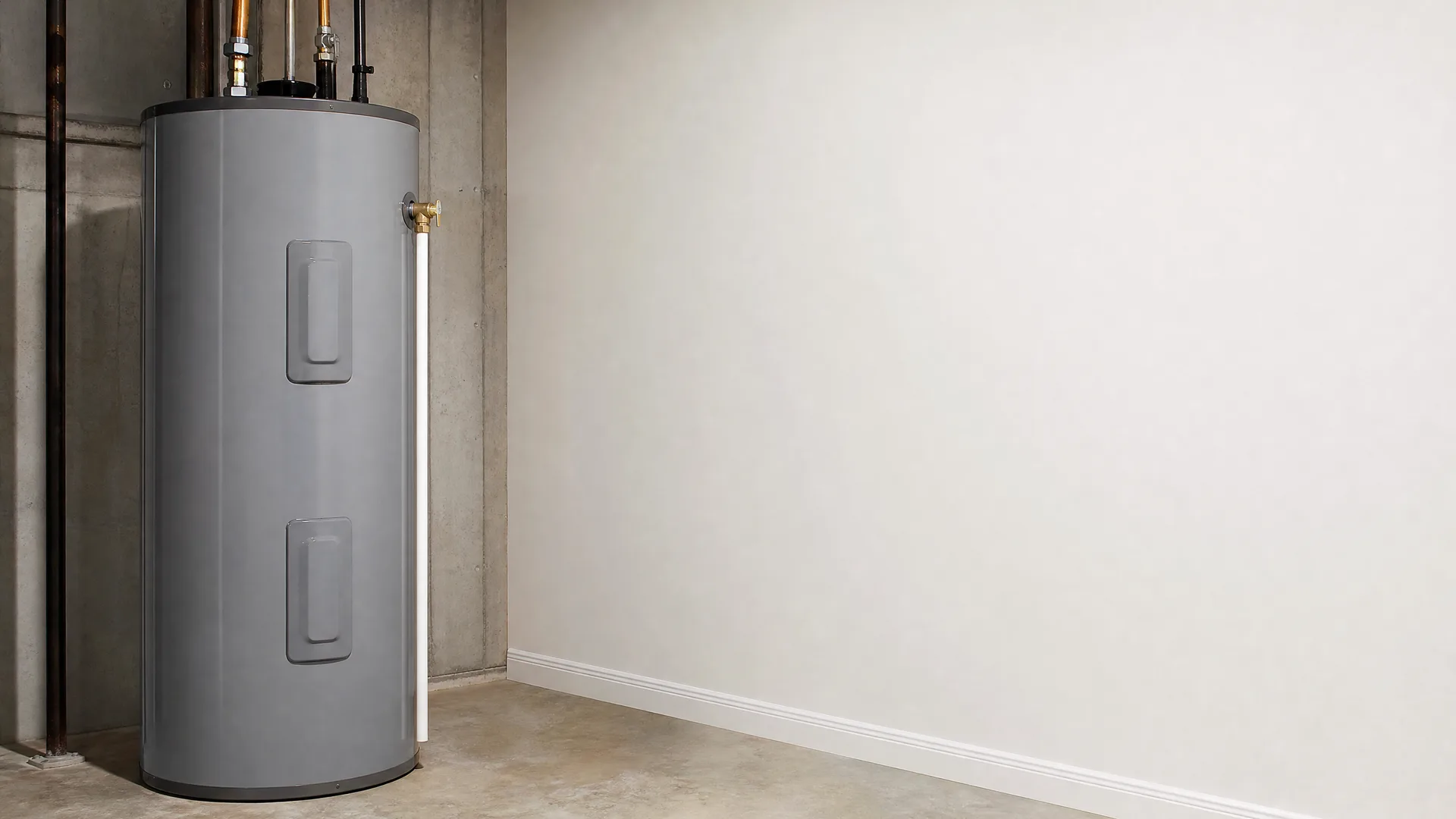
Gas line sizing makes the difference
A gas tank heater runs on the same line most Missouri homes already have. A tankless unit fires much harder to heat water instantly, so it draws more gas at once, and that often means running a larger line from the meter to the unit. A plumber can check your existing line against what the tankless model you want requires before you commit to one.
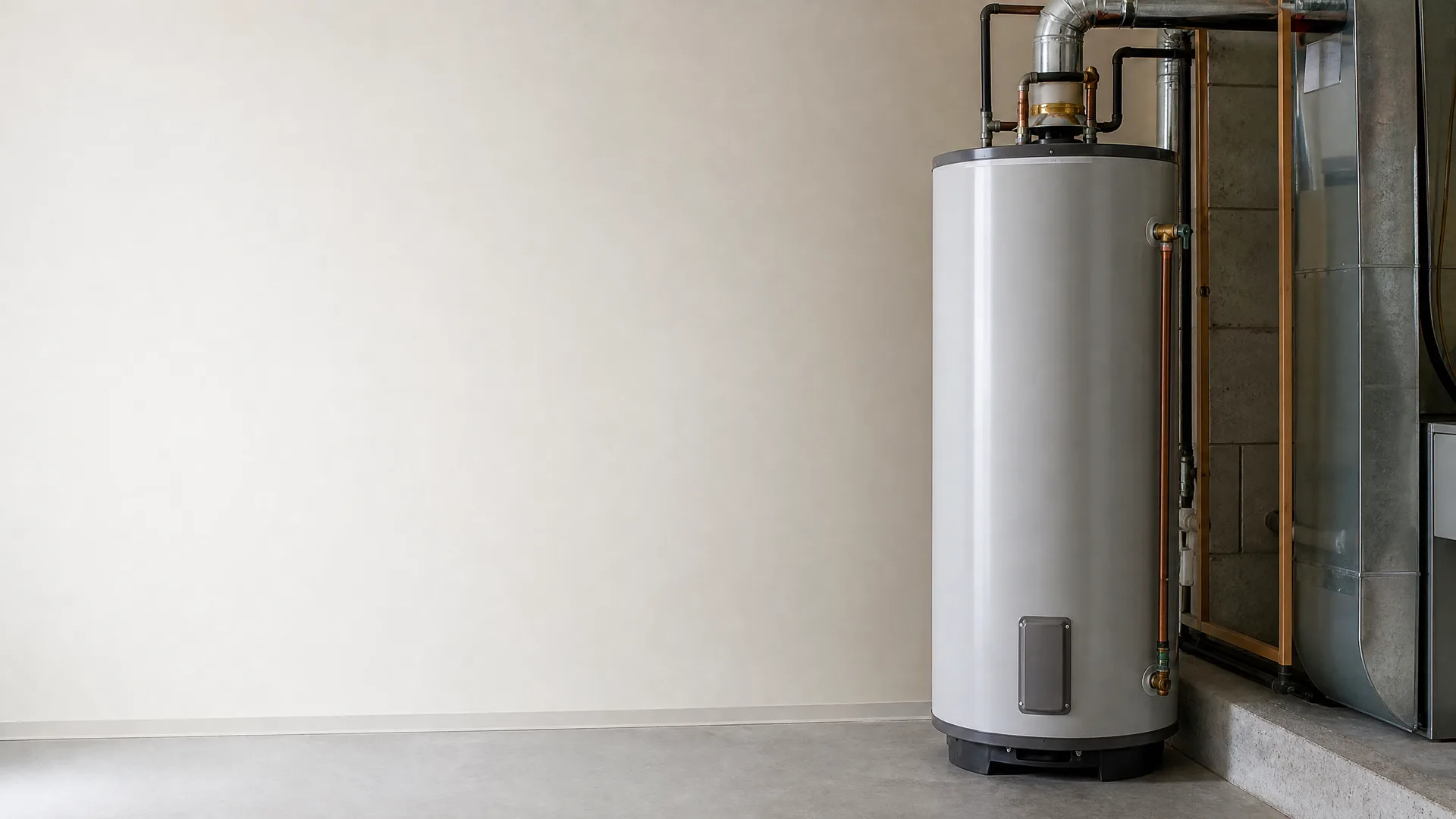
Recovery time works differently
A tank holds anywhere from 40 to 50 gallons already heated and waiting, so a full tank can run out if the whole house showers back to back. A tankless unit has no tank to drain. It heats water as it passes through, so it keeps up with one shower after another as long as the gas supply and the unit's output can match what's being asked of it at once.

Inside the tank while you're not looking
A gas tank heater keeps forty or fifty gallons hot around the clock, cycling the burner on under the tank whenever the water inside drops a few degrees. That's why it can fill a tub fast but also why it's working even at 3 a.m. when nobody's home. A tankless unit sits cold until someone opens a hot tap, then a flow sensor kicks the burner on and a heat exchanger brings the water up to temperature as it passes through, all in the few seconds before it reaches the faucet. No standby tank means no standby loss, but it also means the unit has to ramp up hard every single time, which is part of why the gas line sizing matters so much.
Knowing how each one actually runs is most of the decision. The rest comes down to what's already behind your walls and what your household asks of it on a Tuesday morning versus a Sunday night. A contractor who's looked at the gas line, the venting, and the spot where your current tank sits can tell you which way this goes for your house specifically, and once you request that, getting that answer stops being something you have to chase down yourself.



49.3% of homes statewide heat with gas
Close to half the homes in Missouri run on gas, and yours is likely one of them. That already points you toward gas tank or gas tankless rather than electric. The choice left is whether your gas line and venting can support tankless, or whether sticking with tank keeps the installation simple.
ACS 2020-2024 5-year B25040
A gas tank heater fits the gas line most Missouri homes already have. A gas tankless unit can run longer and take up less space, but only if the line and venting are sized for it. That's the whole decision. If you're not sure what your home has, a contractor can look at the line, the vent, and the spot where the heater sits, and tell you which one actually works there instead of which one sounds newer. Once you send the form, you're done hunting for someone to call. A local contractor who installs water heaters will reach out, look at what your house has to offer, and tell you straight whether tank or tankless makes sense for it. You don't have to figure out gas line sizing or venting on your own first. That part becomes someone else's job the moment you ask.


The right pro for this job
Send the form and the search for an installer is over.
You're not committing to anything by asking.