No hot water in Columbia, MO

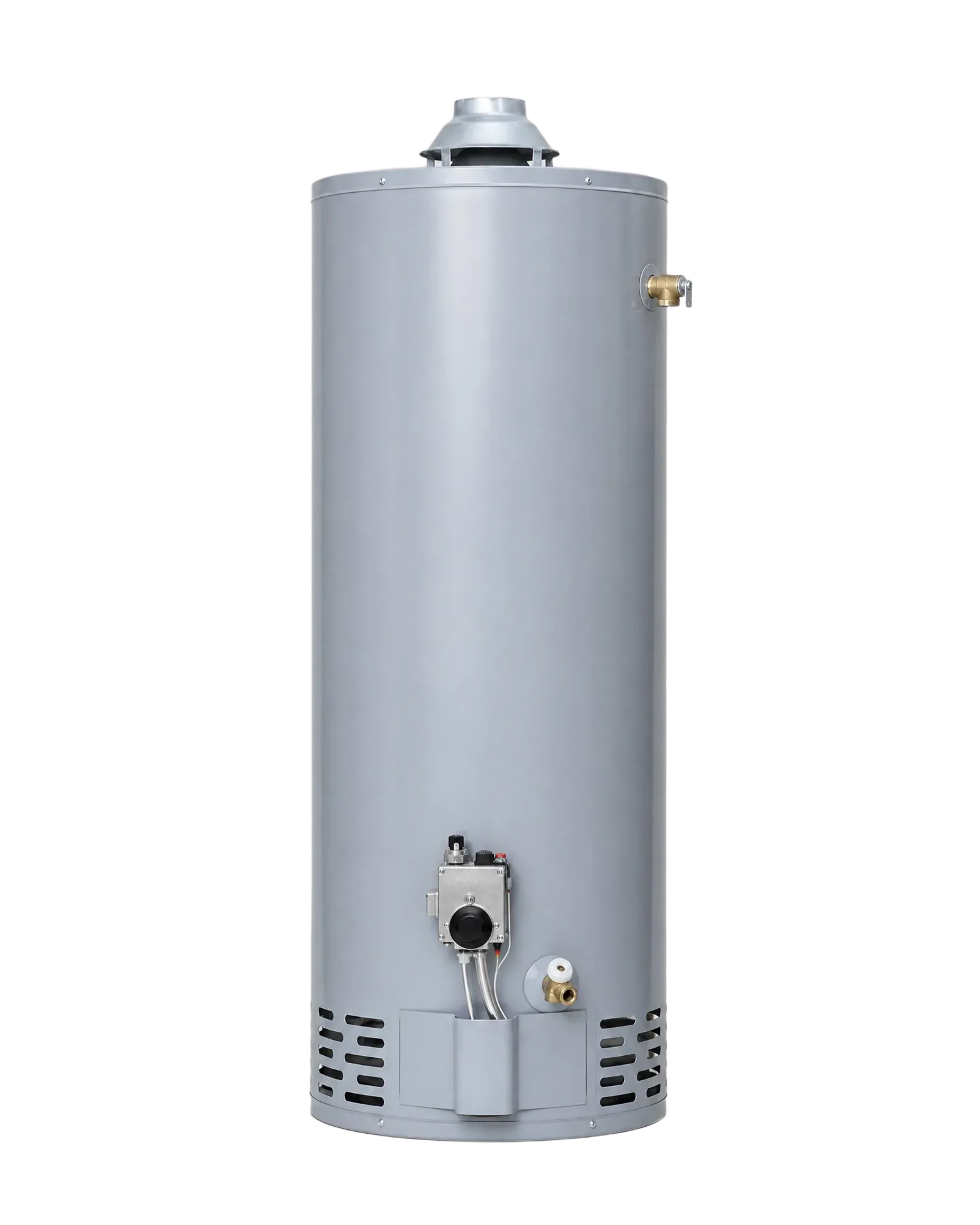
A gray cylindrical gas water heater with a top flue vent, side brass fitting, lower gas control valve and vented base panel, photographed against a plain light background.
Skip the calls

No hot water usually means one of a few things, and which one depends on what kind of water heater you have. With gas units, the pilot light or igniter has failed, or a safety switch has shut the burner off. With electric units, it's usually a burned-out heating element or a tripped high-limit switch. Either way, the tank itself is not necessarily the problem. Most homes in and around Columbia run gas water heaters, since most homes here heat with gas, so a dead pilot or a bad thermocouple is the common cause. If the water is lukewarm instead of cold, only one of two elements may have failed, or the gas valve is only partly working. If it's gone out and winter here has been cold, check that the vent isn't blocked before assuming the worst. A licensed technician can tell you which it is and whether it's a quick fix or a part that needs replacing.

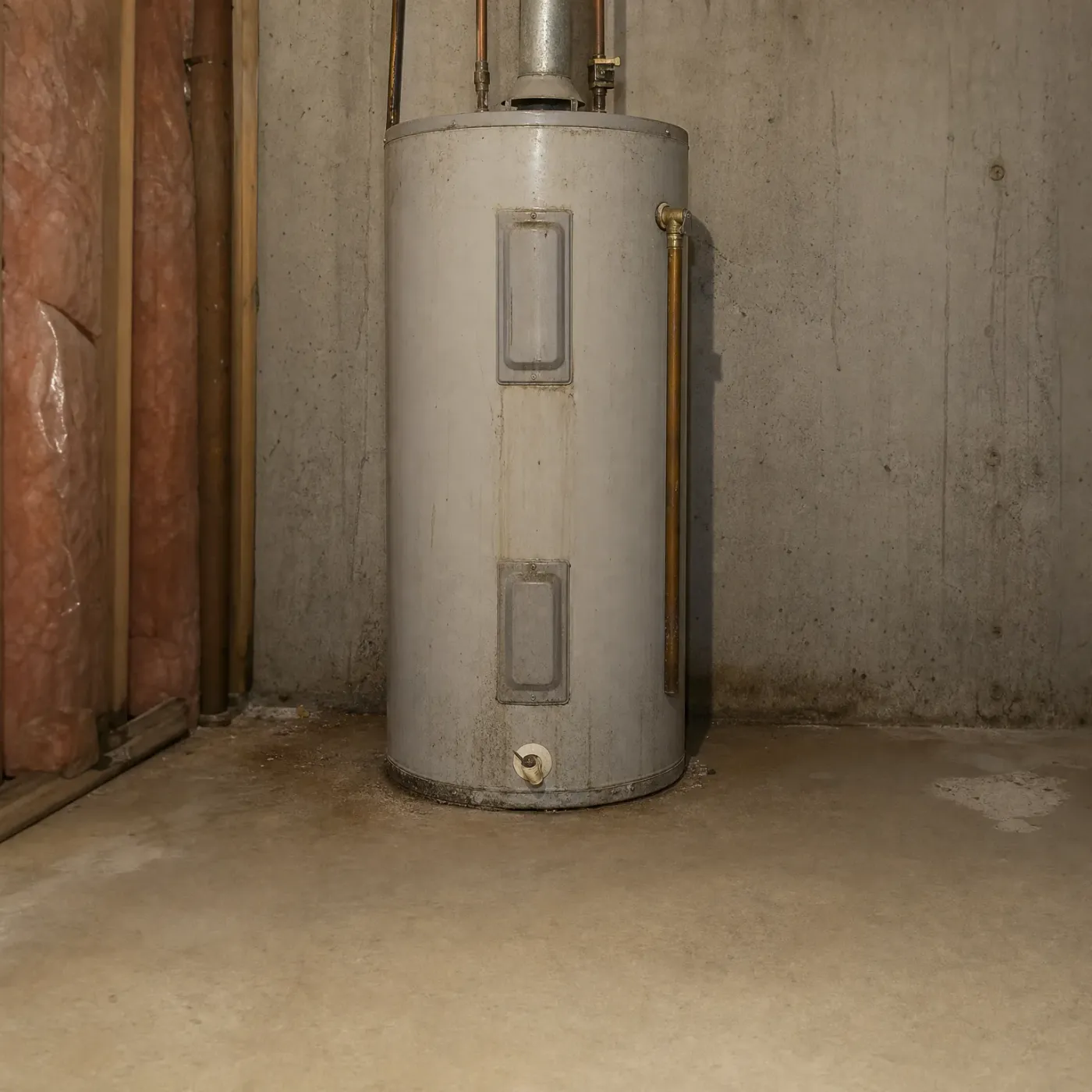
A gray cylindrical water heater with two access panels and copper piping stands in the corner of a concrete-walled basement next to exposed pink insulation.
Before you get your water heater repair
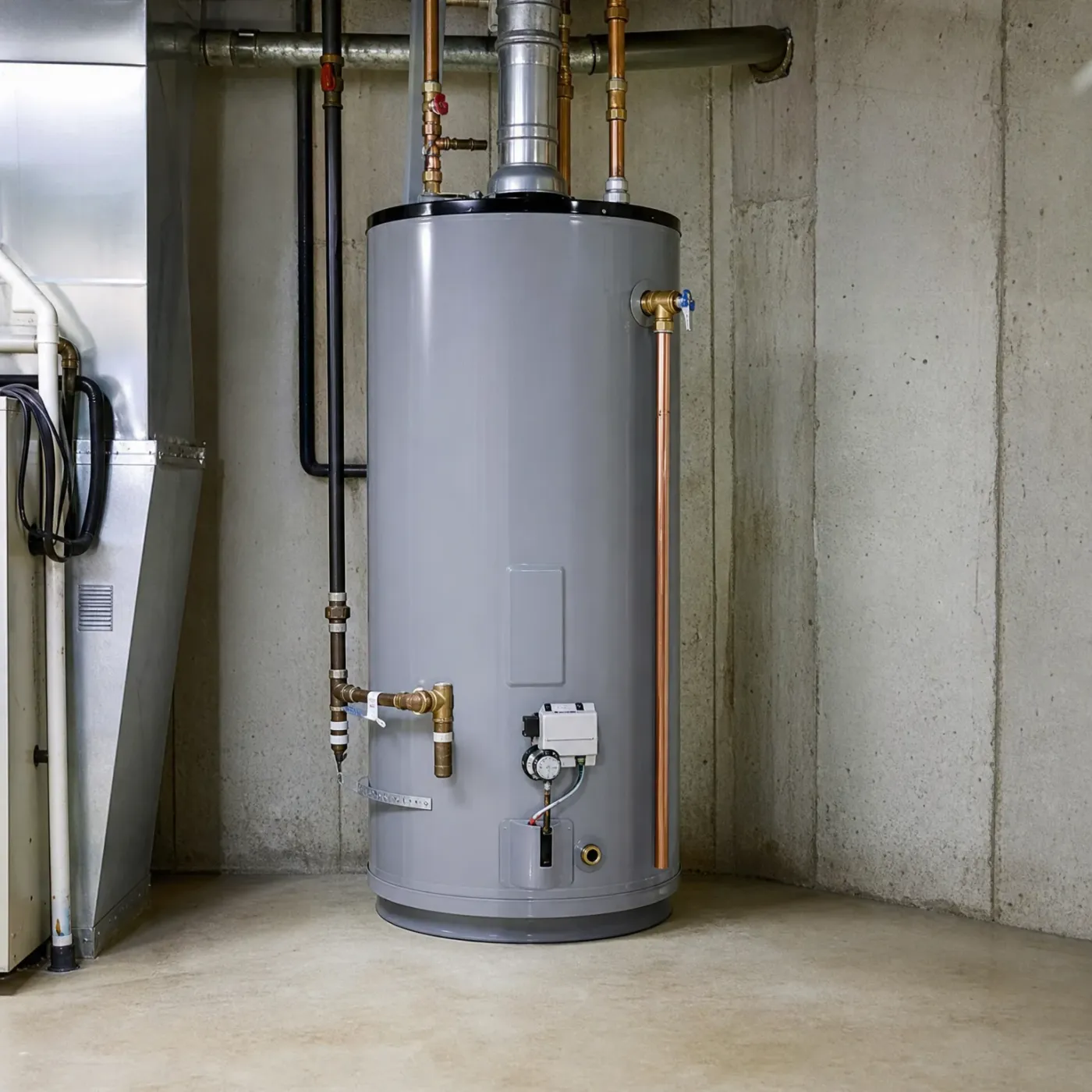
A large gray cylindrical gas water heater stands in a concrete-walled basement corner, connected to copper and black pipes and a metal flue, with ductwork at left.
After you get your water heater repair

How a water heater actually fails

  • A gas water heater that won't light usually trips its igniter or thermocouple before the gas valve itself goes bad.
  • Electric units have two heating elements, and when the upper one burns out you can lose hot water completely instead of just running out fast.
  • Most tanks have a high-limit safety switch that cuts power or gas if the water gets too hot, and once it trips it won't reset on its own.
  • Sediment settling at the bottom of the tank can insulate the burner or lower element from the water, so it runs without actually heating anything.
  • A tripped breaker or blown fuse on an electric unit looks identical to a dead element until someone checks the panel first.
  • Gas units built in the last couple decades often have a flammable vapor sensor that will shut the burner down if it detects fumes nearby, even with no actual leak.

A gas and an electric water heater fail in different ways, so what a contractor checks first depends on which one sits in your utility closet. On a gas unit, the igniter or thermocouple is the first thing to wear out, long before the gas valve itself has a problem. Light it enough times over the years and that part just gives out. Electric units work off two heating elements, one near the top of the tank and one near the bottom. If the upper element goes, you don't get weak hot water, you get none, because that's the one that heats the water as it comes in. Both types have a high-limit switch built in as a safety measure, and if the water ever gets too hot, it cuts the power or gas and stays off until someone resets it by hand. It won't come back on by itself. Sediment is another one that catches people off guard. It settles at the bottom of the tank over time and sits between the burner or lower element and the water, so the heat goes into the sediment instead of the water above it. On the electrical side, a tripped breaker looks exactly like a burned-out element from the outside, which is why checking the panel comes before opening up the tank. And newer gas units often have a sensor that watches for flammable vapor nearby, like from paint or cleaning supplies, and will shut the burner down even when there's no actual gas leak.

Power here costs 14.92 cents per kilowatt-hour

At 14.92 cents per kilowatt-hour, running an electric water heater here isn't expensive compared to a lot of the country. If your heater does need a new heating element or thermostat, keeping it electric won't punish your bill the way it might somewhere with pricier power.

EIA-861 2025

Gas units fail at the connection

A gas water heater needs three things to happen in order: the gas valve opens, the igniter or pilot lights it, and a sensor confirms there's a flame before the valve stays open. If that sensor doesn't see a flame fast enough, it shuts the gas back off, even if the igniter is working fine. That's why a gas unit can click or spark and still never give you hot water. It's rarely the gas valve itself. More often it's the thermocouple or igniter wearing out, or dust and corrosion keeping the flame sensor from reading the flame correctly.


Electric units fail in one spot

Most electric water heaters have two heating elements, one near the top of the tank and one near the bottom, each with its own thermostat. If the bottom element fails, you'll notice your hot water runs out faster than it used to. If the top element fails, you can lose hot water entirely, since it's what heats the water first as it enters the tank. A failed thermostat can also cut power to an element that's otherwise fine. Either part can be tested and replaced on its own without replacing the tank.

Why does a Boone County house run out of hot water so fast?

  • 2.33 people per household on average

    With 2.33 people in the average household here, most tanks are sized for a family that size, and one failed element or a thermostat set low shows up fast as not enough hot water to go around.

  • Half the homes here were built by 1991

    Half the homes in Boone County went up in 1991 or earlier, so if your water heater came with the house, it's worth checking how old the tank itself is instead of assuming it matches the house.

  • 48.2% of homes heat with gas

    Gas heats more homes here than anything else, 48.2% of them, so a repair call is more likely to be about an igniter or thermocouple than a heating element.

ACS 2020-2024

Cold showers in January are more than an inconvenience here. A tank that's quit heating means every kid's shower, every load of dishes, every sink full of water is cold until someone qualified gets the burner or the element working again.

Get a gas water heater's igniter checked and most households have hot water again the same visit. The part that's failed is small. Finding someone licensed to replace it shouldn't be the hard part.

A gray-haired man in a dark green knit sweater sits on a beige sofa with a dark cushion, looking to the side, with a potted plant, shelves and sunlit windows behind him.
A gray-haired man in a dark green sweater sits smiling on a sofa in a sunlit living room, with a houseplant, shelving unit, and dining table visible behind him.
A middle-aged man in a dark denim shirt sits on a light beige sofa in a living room with wooden shelving and a potted plant, looking off to the side.
A gray-haired bearded man in a dark green sweater sits on a light sofa indoors, looking to the side, with a houseplant, framed picture, table lamp and sunlit window behind him.

Describe it once

A cold tank in the middle of winter doesn't leave much time to shop around. The usual routine is calling two or three places, describing the same no-hot-water problem to each one, waiting to see who calls back, then comparing what they quote before you even know who's actually free to come out. Submit the request here and it goes to one licensed contractor working in Columbia and the rest of Boone County, someone who deals with these gas and electric water heaters all year and has a good idea what's failed before they even open the panel. No back-and-forth with multiple companies, no retelling the problem over and over. You hand off the part that eats your time, finding someone who can actually get to your cold tank, and go back to dealing with the rest of your day while that gets sorted.

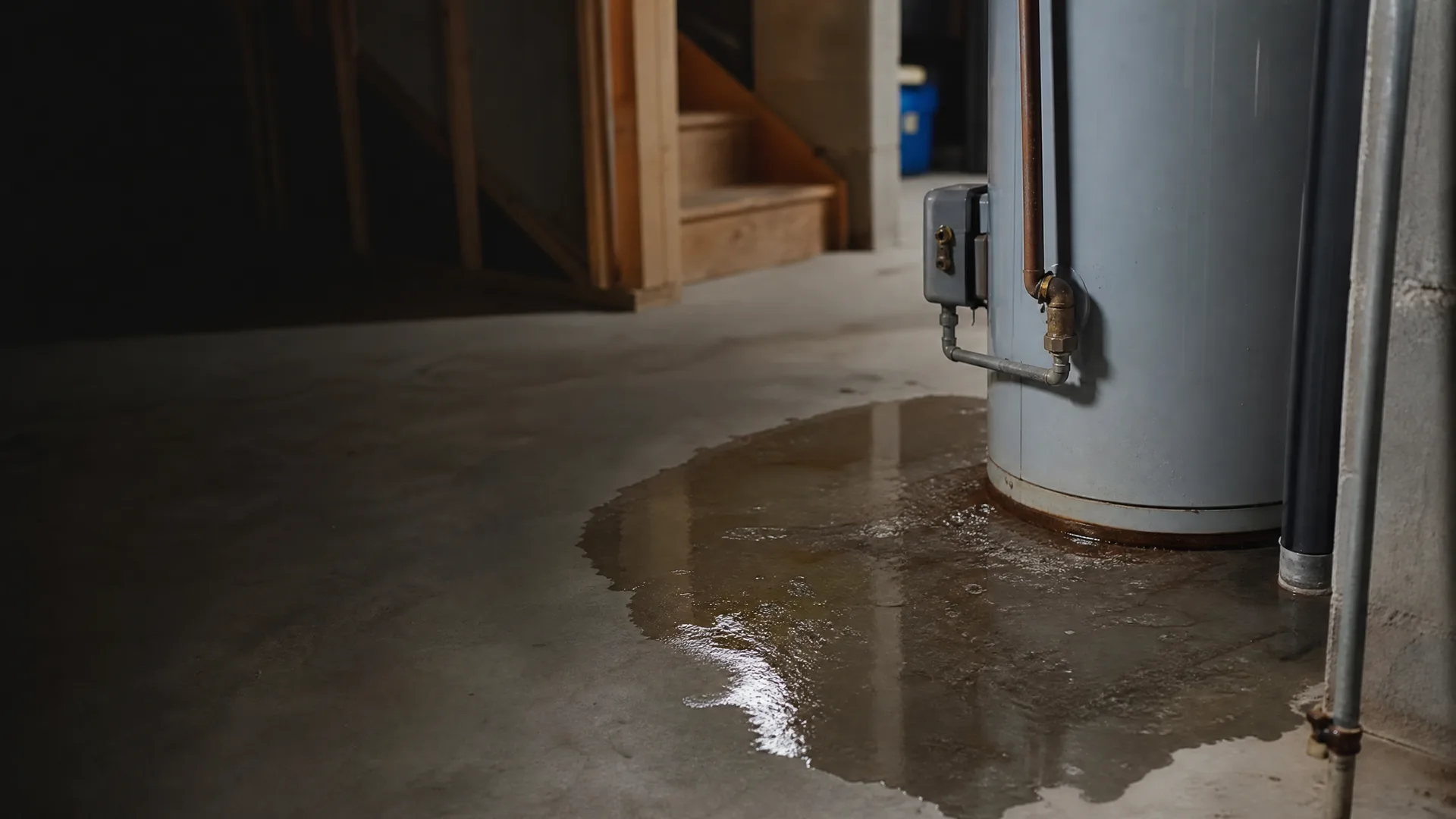
A gray cylindrical water heater with copper piping stands on a concrete basement floor with a large pool of water spreading around its base, near wooden stairs and framing.

Saturday morning, and the basement is quiet except for the washing machine someone started before noticing. Water has spread in a thin sheet from the base of the tank, out past the drain pan and into the carpet remnant by the old workbench. The tank itself is cool to the touch near the bottom. Upstairs, someone just turned the shower handle and waited for warm water that didn't come. It's January, and the house is holding at 68, but down here the concrete floor is colder than that, and the puddle is still growing slow at the edges, finding the low spot in the floor where the washer drain sits.

Gas vs. Electric: Where the Problem Hides

Gas

  • A pilot that won't stay lit usually points to a weak thermocouple, not the gas valve, and that part is a straightforward swap.
  • If the igniter clicks but nothing lights, the gas valve itself could be the problem, and that's a pricier repair than a thermocouple.
  • A tripped high-limit switch will shut the burner off as a safety measure, and it has to be reset after whatever caused it is fixed.
  • Sediment built up on the bottom of the tank can insulate the burner from the water above it, so the flame runs but the water stays lukewarm.
  • Venting matters with gas units, so a blocked flue or exhaust pipe can shut a unit down even when every other part is working fine.

Electric

  • Two heating elements do the work in most electric tanks, and losing the upper one means no hot water at all instead of just running out fast.
  • A failed thermostat can read the water as hot when it isn't, so the element never gets the signal to turn back on.
  • A tripped breaker is worth checking first, since it costs nothing to look and an electric unit won't heat at all without power to it.
  • At 14.92 cents per kilowatt-hour here, replacing a bad element or thermostat is a repair that won't push your electric bill up much once it's fixed.
  • Electric units skip the venting and gas line issues entirely, so troubleshooting stays narrower, usually down to the elements, the thermostat or the power itself.
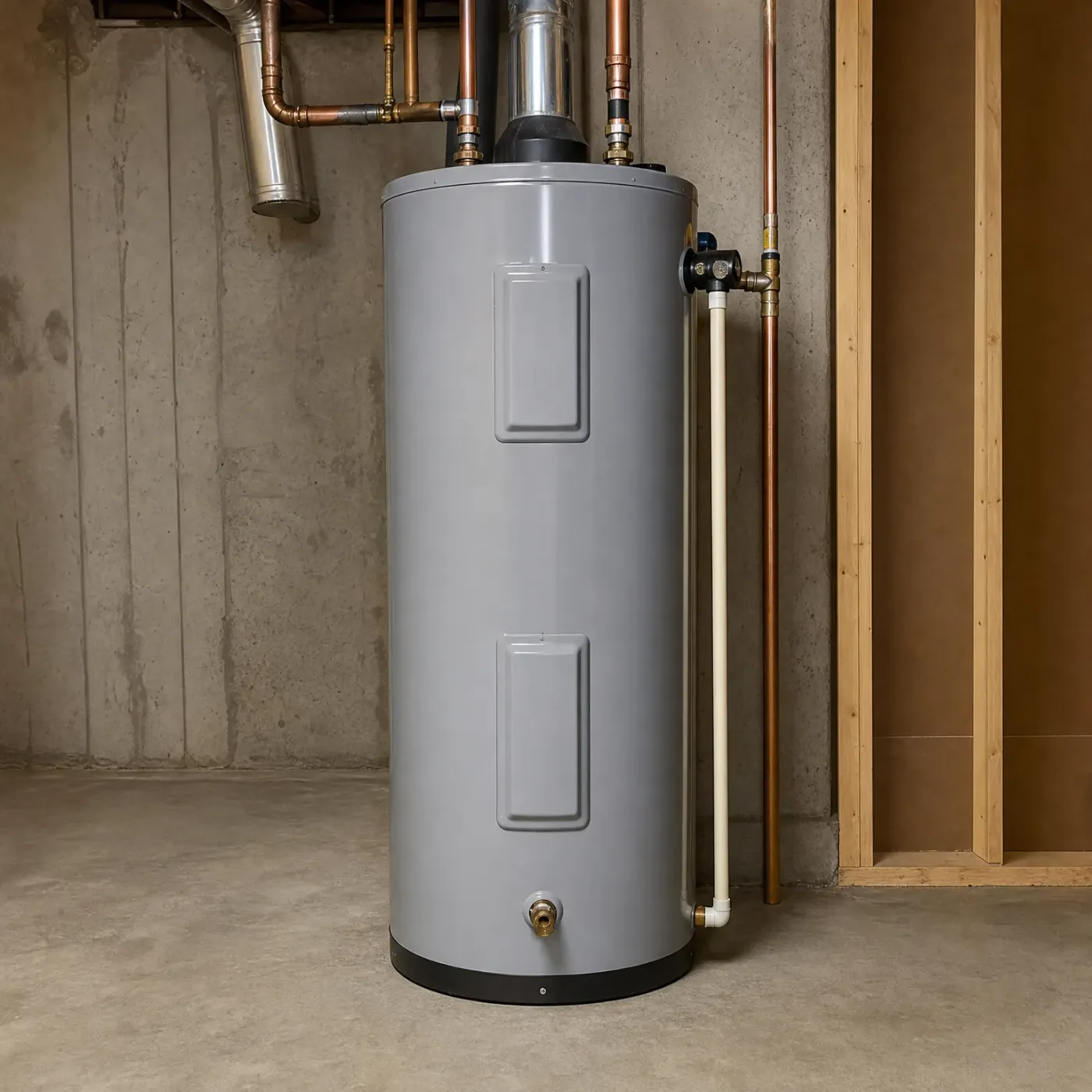
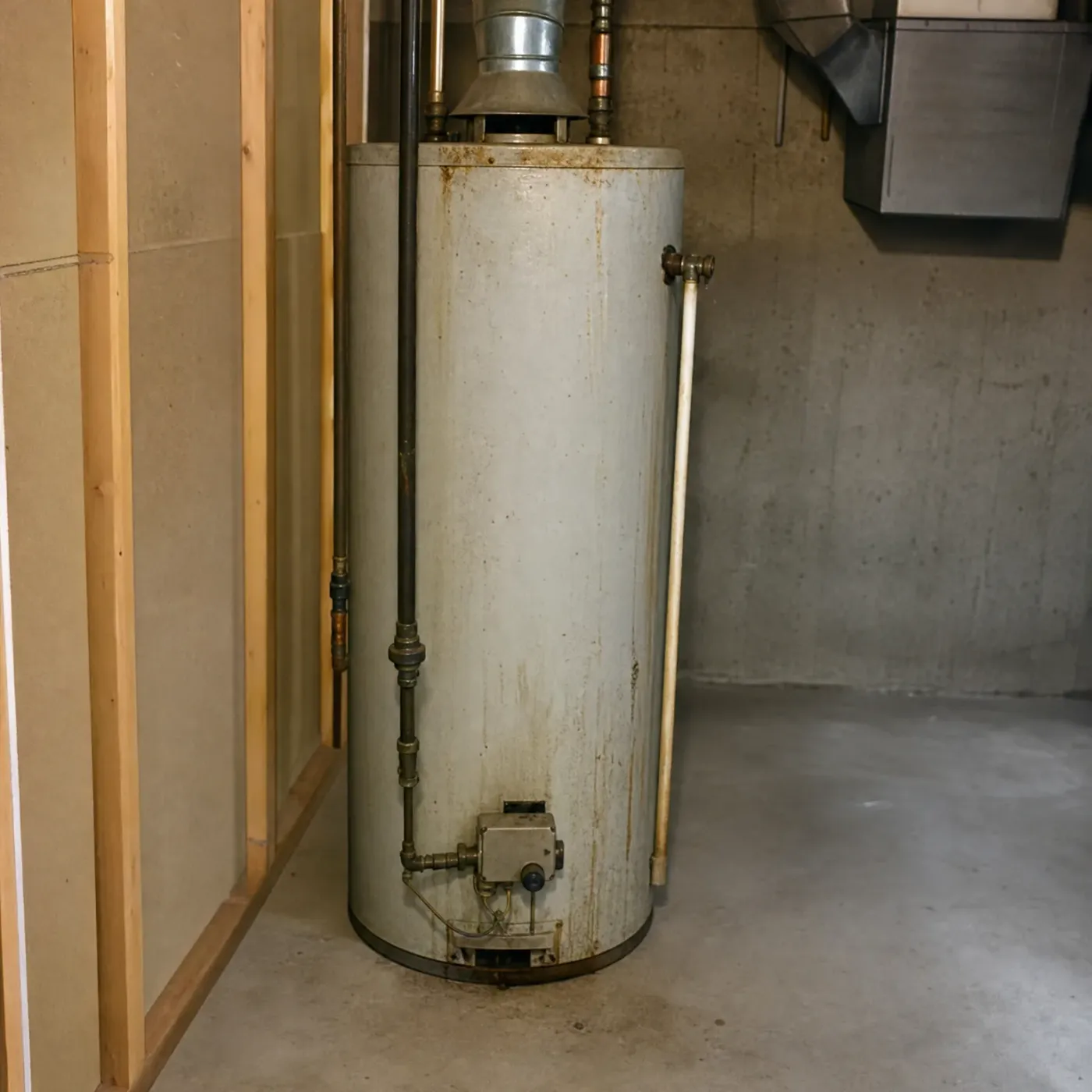
A gray cylindrical water heater stands against a concrete basement wall, connected to copper pipes and a metal flue overhead, with a white discharge pipe running down its right side and exposed wood framing to the right.

Working the way it should

This is what a healthy setup looks like: copper and plastic lines running clean to the tank, the pressure relief valve in place, both access panels sealed shut. No rust at the base, no water on the floor. A tank like this just does its job in the background.

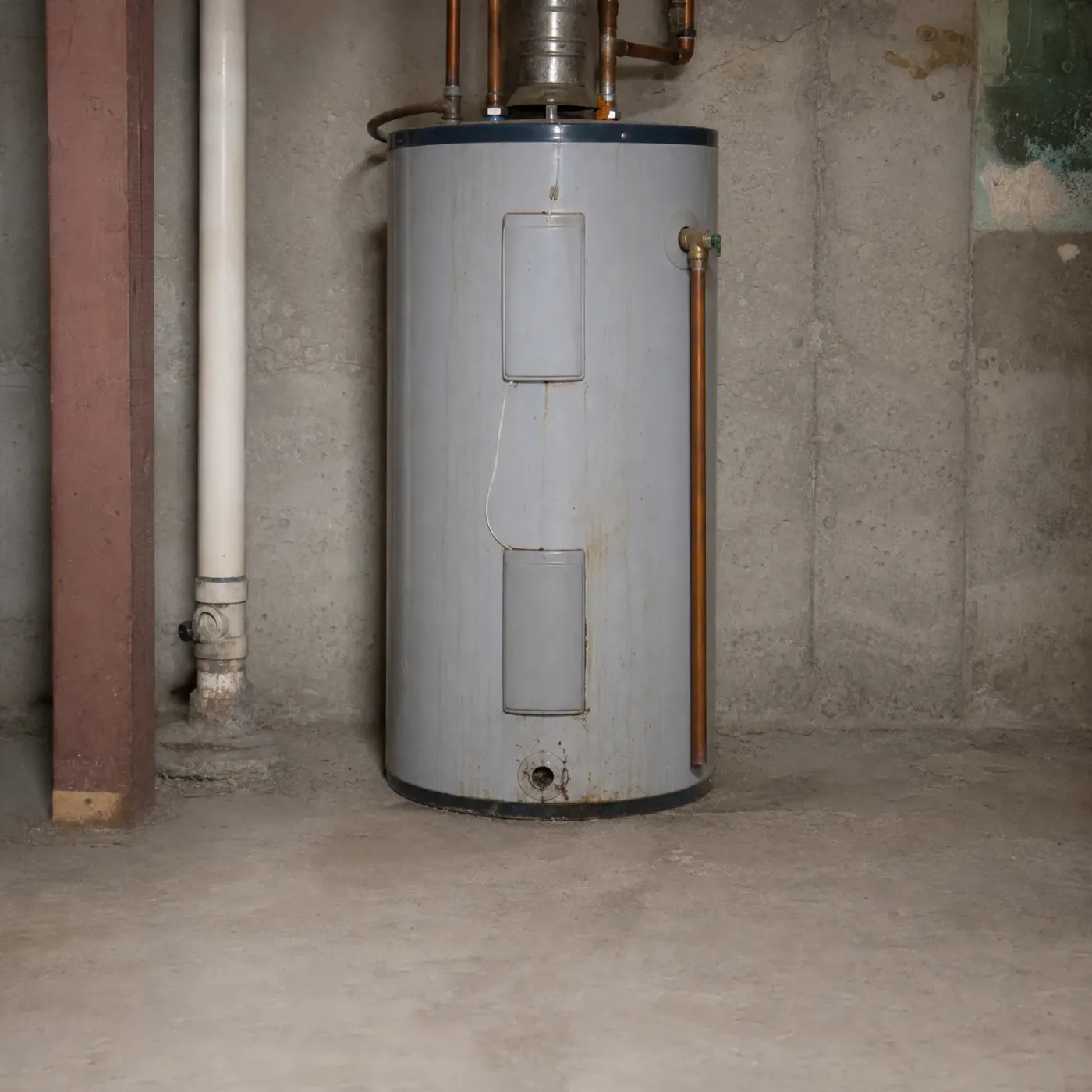
A gray cylindrical water heater with copper piping stands against a concrete basement wall beside a white vertical pipe and a wooden post.

Starting to fail

Rust creeping up near the base of the tank is a sign the steel underneath is corroding, often from the inside out. Once that starts, a leak usually isn't far behind. A tank in this shape is worth having looked at before it quits or floods the floor around it.

Why did my gas water heater's pilot light just go out?

A pilot that's gone out on its own, more than once, usually isn't random. Gas water heaters have a thermocouple sitting right in the pilot flame, and its whole job is to prove the flame is lit. When that part starts to go, the pilot can light fine and then quit a few minutes or a few hours later, and it'll keep happening until something gets replaced.

Usually a worn thermocouple, not a draft

The thermocouple is a small sensor that sits in the pilot flame and tells the gas valve a flame is present. When it reads a flame, it holds the valve open. When it doesn't, the valve shuts the gas off, pilot included, as a safety measure. A thermocouple that's worn or coated with soot can lose contact with the flame even while the pilot is burning, and the valve reads that as no flame and cuts the gas. That's different from a draft blowing the pilot out, which tends to happen once and not again. A thermocouple going bad tends to repeat, and it gets more frequent as the part wears further. Replacing it is a standard repair on these units.

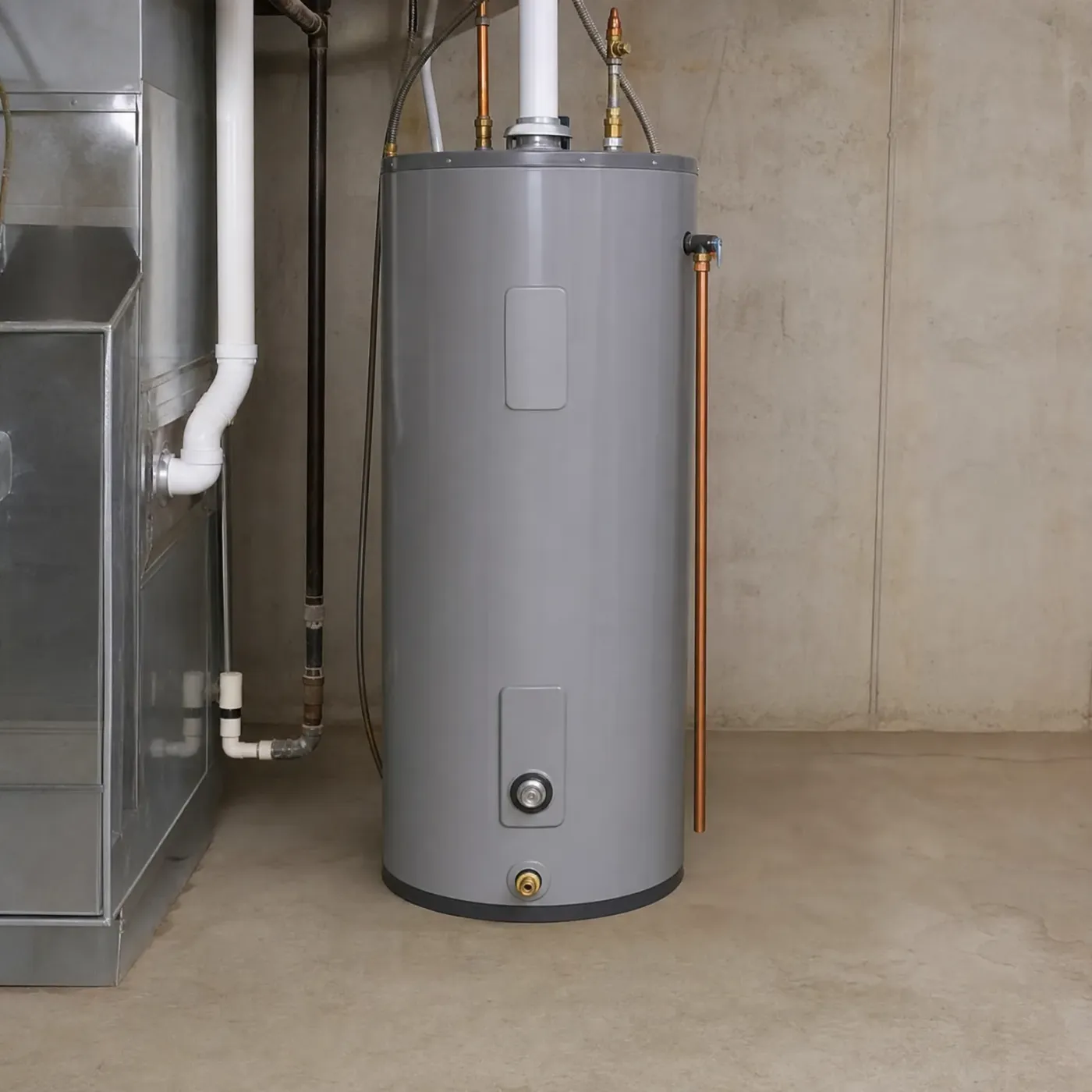
A gray cylindrical water heater stands on a concrete floor against a concrete wall, with copper and white pipes above it and a metal ductwork unit to the left.
The fittings are tight, the floor underneath is dry, and there's no rust creeping up from the base.
An old rusting gas water heater with flue pipe and connected plumbing stands on a concrete floor in a basement corner beside an unfinished wood-framed wall and a metal duct.
Rust has eaten through the metal at the base, and a water heater in this shape is usually past the point of repair.
A gray-haired woman in a white top and gray cardigan sits in an upholstered armchair indoors, looking toward a window with a green potted plant, with a bookshelf behind her.
A woman and a child wrapped together in a thick knitted beige blanket on a sofa, both with eyes closed, beside a lit table lamp in a dim room.
A closed laptop and a ceramic mug on a wooden table in front of a kitchen with green cabinets, marble counter, black pot, cutting board, wooden bowl, and a white vase with greenery.

No hot water comes down to a part that failed

A gas tank with no hot water usually traces back to a thermocouple, an igniter, or a gas valve. An electric tank usually traces back to a heating element or a thermostat. Either way, someone qualified can look at the tank and tell you which one in a few minutes.

What you don't have to do is find that person. No calling around to three or four companies, describing the same cold shower story each time, then waiting on callbacks and sorting through quotes before anyone's even looked at your tank. One licensed contractor local to Boone County takes the call, hears what's going on, and gets to the actual problem.

Interior corner of a living room with a beige upholstered armchair holding a textured pillow and throw, a eucalyptus arrangement in a ceramic vase on a wooden table in the foreground, a blurred glass-front cabinet behind, and a potted plant on a sunlit window sill.
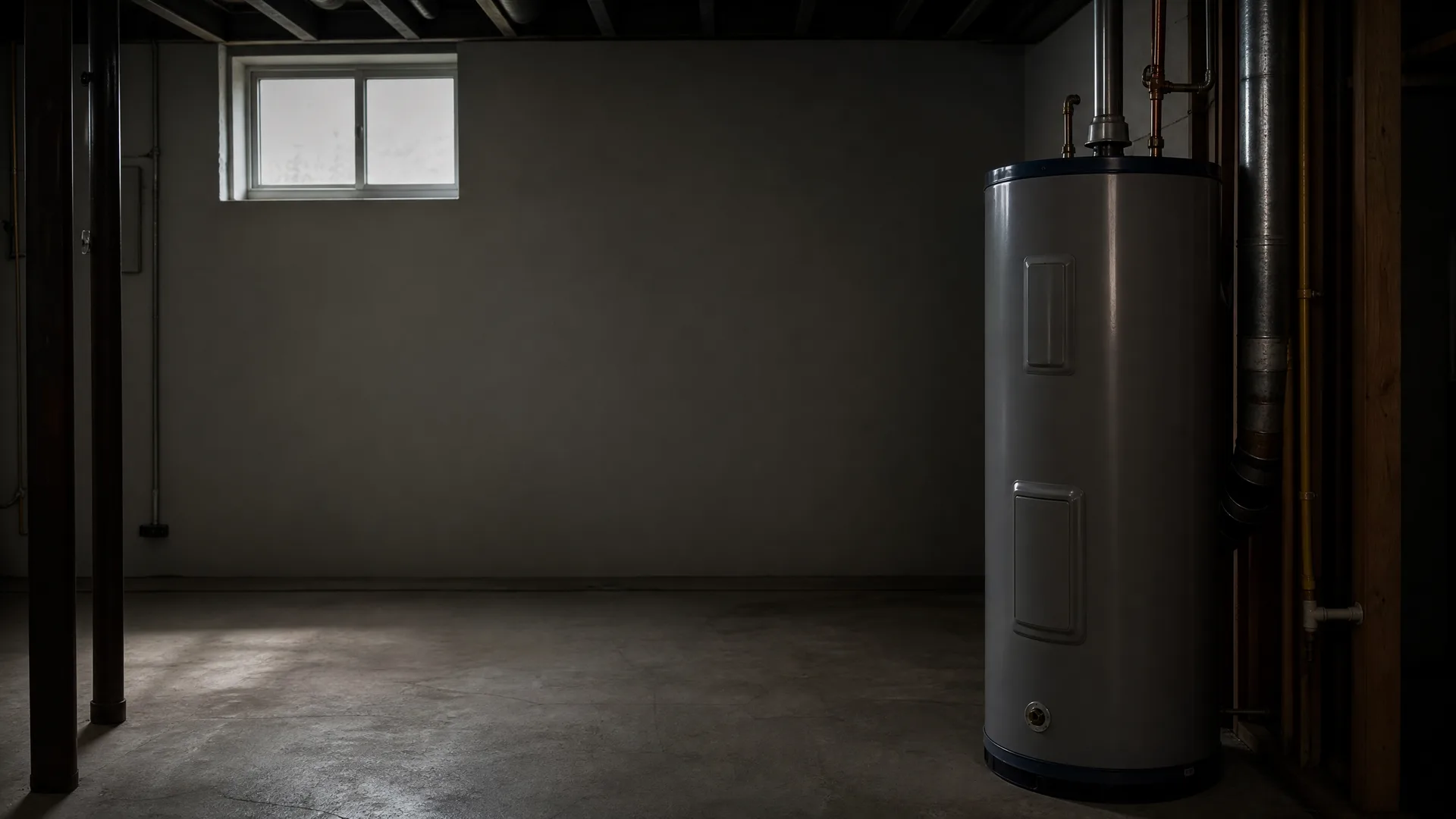
A tall cylindrical water heater with pipes above it stands in the corner of a dim basement with bare concrete floor, gray walls, exposed joists, and a small window.

No calling every shop in Boone County

The pro who gets in touch is licensed in Missouri and works in Boone County.

Step 1 of 3: Equipment