
Is a tankless water heater worth it in Florissant, MO
Get matched with a pro who works on water heaters in St. Louis County.
Get my matchFor most homes in Florissant, a tankless water heater is worth it if the household runs hot water for long stretches or at the same time in more than one place, like a shower and the dishwasher going together. A tank runs out and makes you wait. A tankless unit heats water as it passes through, so it keeps up as long as it runs, though two uses at once can still stretch what it can deliver. Most homes in the St. Louis area heat with gas, and tankless units built for gas work well here, with no tank losing heat while it sits idle between uses. If your current heater is a tank and still works fine, the switch is less about needing one and more about whether you want the steadier supply and the space back where the tank used to sit. It costs more to install than a like-for-like tank swap, so whether it's worth it comes down to your household's hot water habits more than your house itself.
Does your household actually need one?
2.36 people per household on average
Most households here run 2.36 people. That's usually a couple of showers back to back, not four at once, so the case for tankless comes down to timing, not headcount.
Half the homes here were built by 1969
Half the homes in St. Louis County went up in 1969 or earlier. If yours is one of them, check what's feeding your current water heater before you plan on tankless.
74.6% of homes heat with gas
Gas heats 74.6% of homes here, more than any other fuel. A gas tankless unit fits what's already run to most houses in the area.
ACS 2020-2024
How a tankless unit actually works
- A gas tankless unit fires only when a fixture calls for hot water, sensing flow through the inlet before the burner lights.
- The burner heats water as it passes through a copper or stainless heat exchanger, not a stored tank, so output depends on the unit's flow rate, not tank size.
- Every tankless heater has a maximum gallons-per-minute rating, and running two fixtures at once can push past that limit and drop the temperature.
- Cold winter groundwater coming into the unit has to be raised further before it hits the tap, which lowers the usable flow rate on the coldest days.
- A standing pilot light does not draw power, but the fan, igniter and electronics on most tankless models do, and they stop working if the power goes out.
- Tankless units need a dedicated gas line sized for their burner, which is often larger than what a tank model used.
A gas tankless water heater sits idle until someone opens a hot tap. A sensor picks up the flow, the igniter fires, and the burner heats water as it moves through a copper or stainless heat exchanger. There is no tank holding a reserve, so what comes out the other end depends on how fast water is moving through the unit, not how many gallons it stored up overnight. That is also the limit. Every model is rated for a maximum flow, usually listed in gallons per minute, and that number has to cover everything running at once. A shower and the dishwasher together can ask for more than the unit can deliver, and when that happens the water coming out gets cooler, not shut off. Winter adds to the load. Groundwater coming into the house is colder those months, so the unit has to raise it further before it reaches the tap, which cuts into how much flow it can support on the coldest days. The pilot itself, if there is one, doesn't need electricity to stay lit, but the fan, igniter and control board on most tankless models do, and none of that runs without power. A tankless install also usually needs a gas line sized up for the burner, bigger than what the old tank was running on.
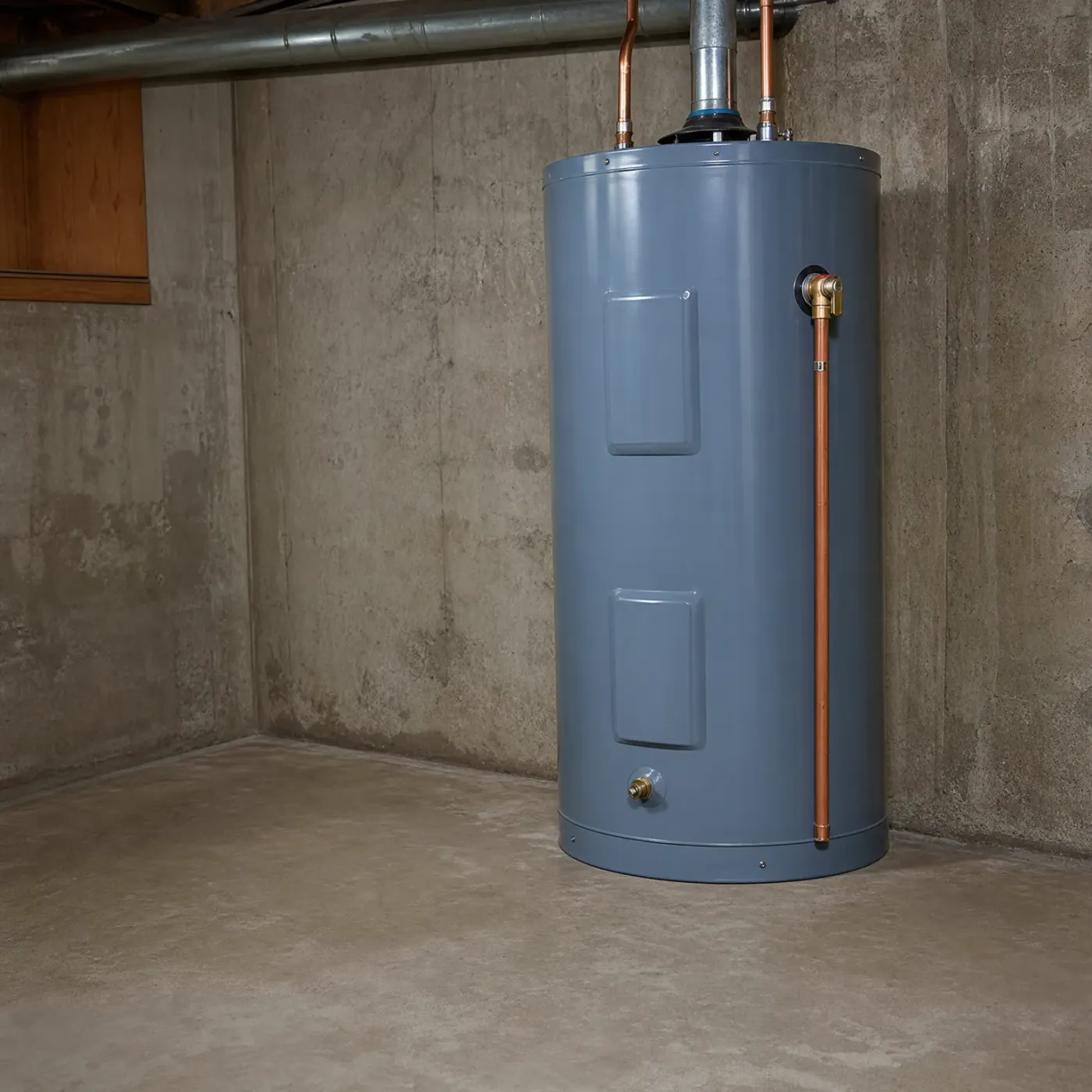
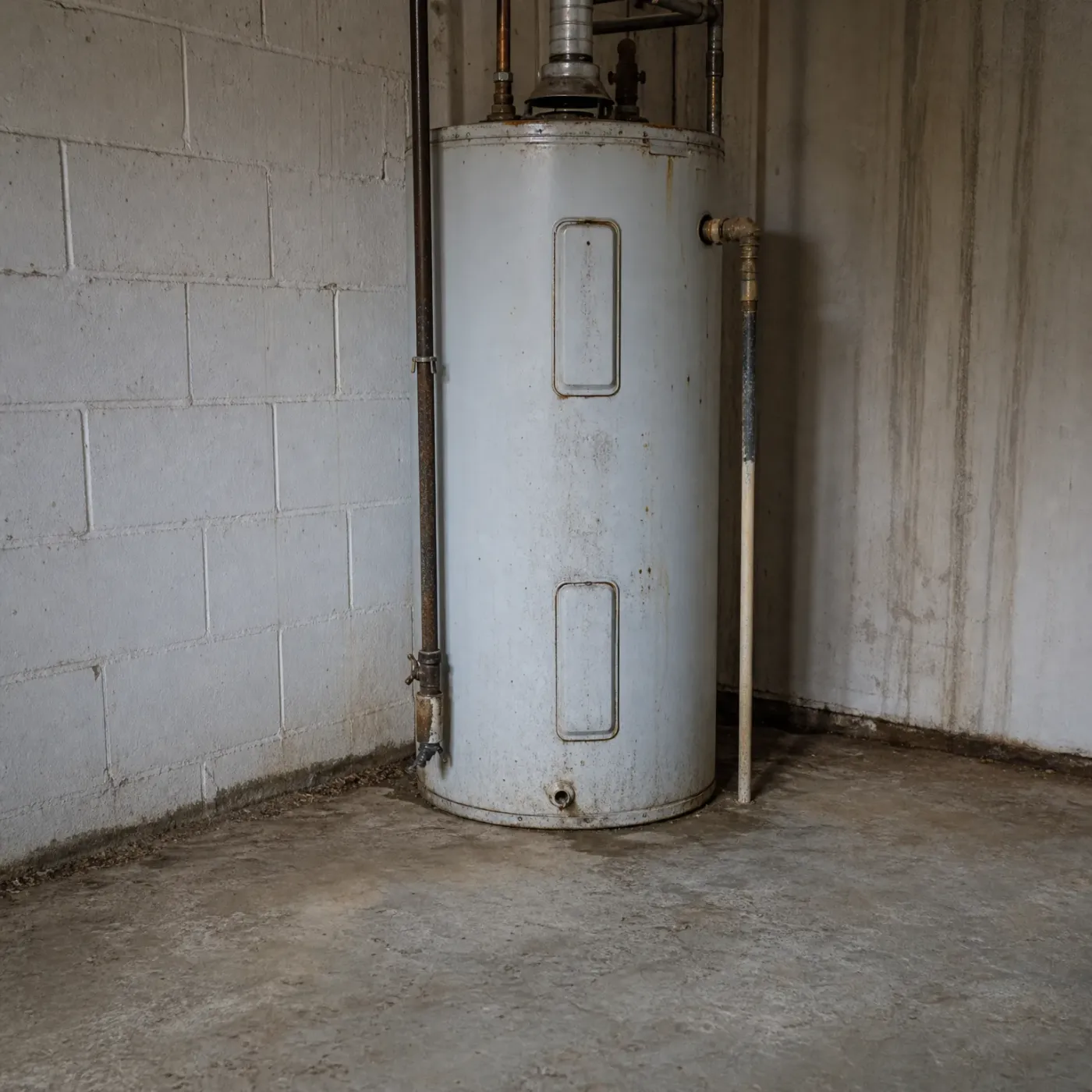
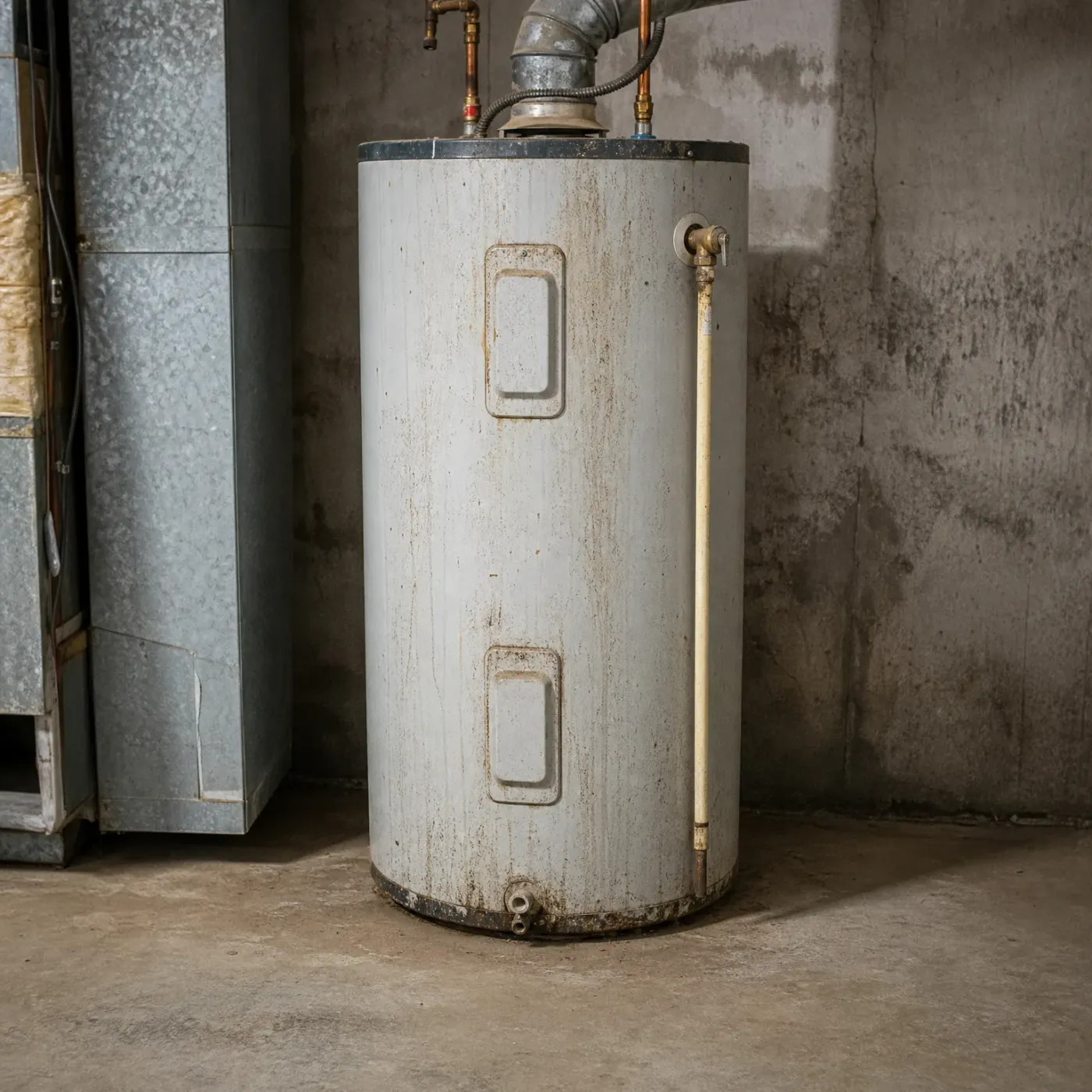
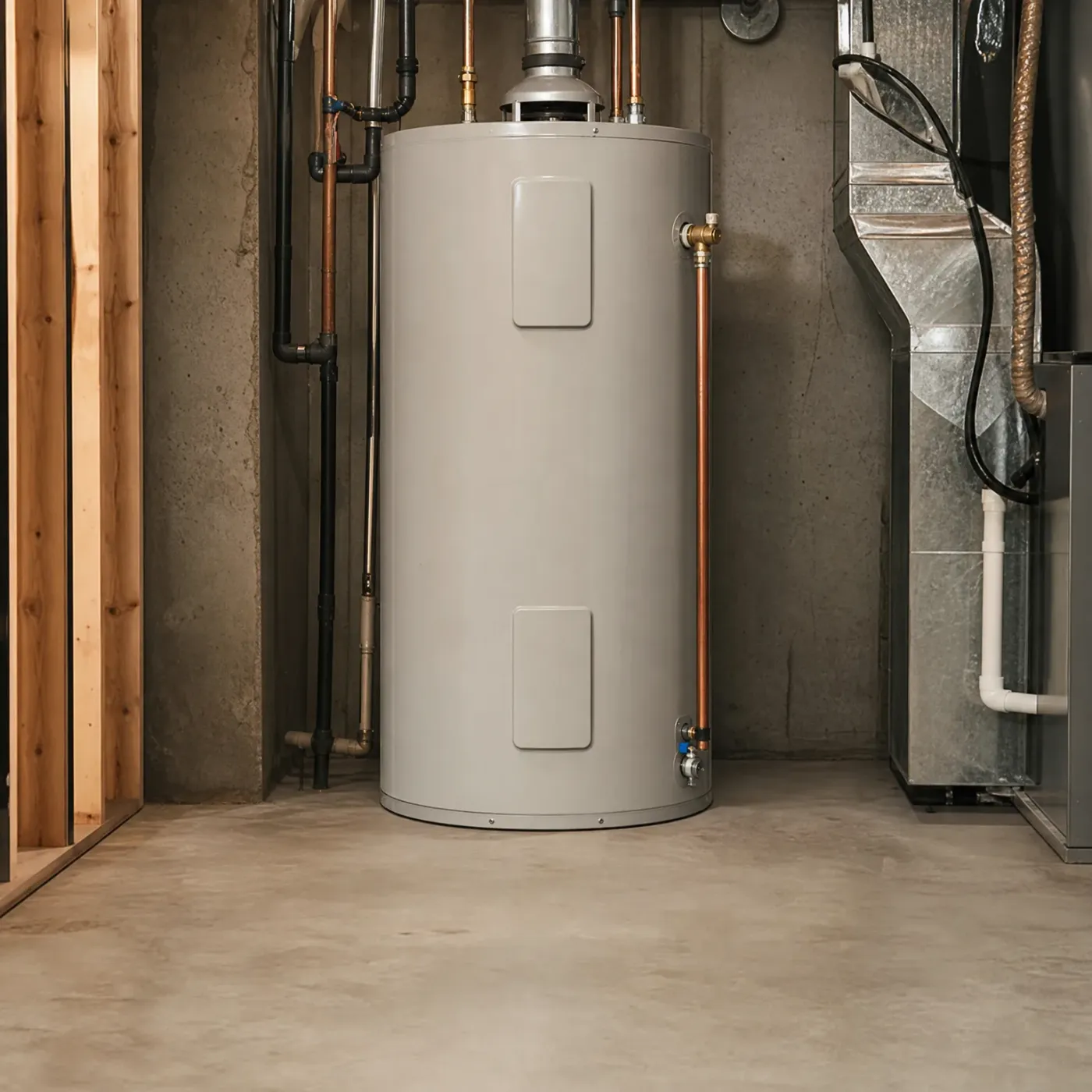
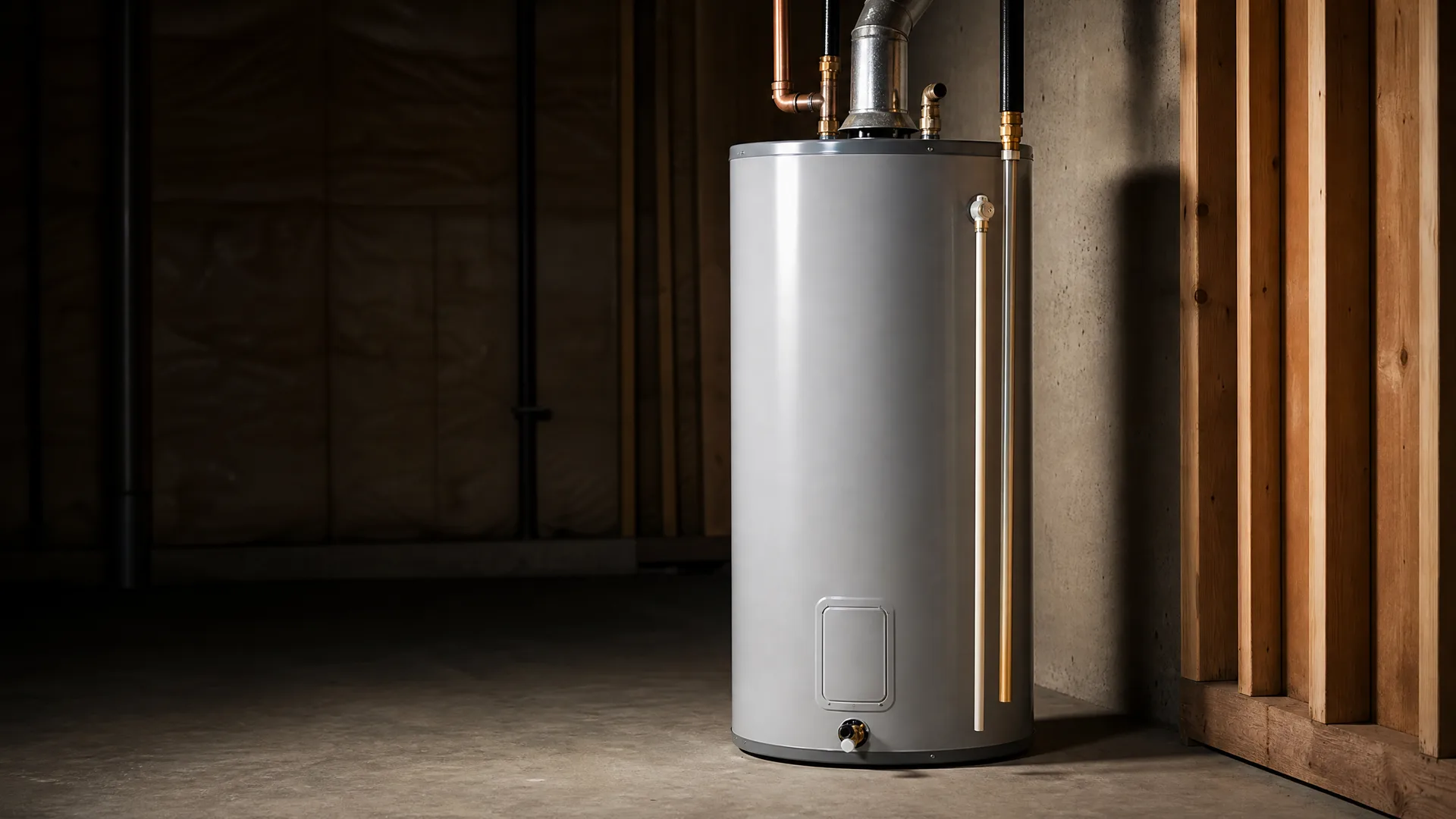
A forty gallon tank in your basement or utility closet burns gas all day holding water hot, even on the days nobody's home. Switch to tankless and the unit only fires when you turn on a tap, so the gas it uses tracks what you actually run, not what's sitting in reserve. You also free up the space the tank used to take, which matters if it's wedged into a tight spot. The tradeoff shows up at peak times. Run a shower, the dishwasher, and a load of laundry together and a tankless unit sized wrong for your house will fall behind, so whoever installs it needs to match the unit and the gas line to what your household actually draws at once. The failure modes differ too. A tank usually goes with water on the floor and little warning. A tankless unit tends to throw an error code first, which gives you a chance to call someone before it quits on you entirely.
What changes in your house
- A gas tank keeps burning fuel around the clock to hold forty gallons hot, whether anyone showers or not, and a tankless unit only fires when a tap opens.
- Going tankless means no tank to split or leak across the laundry room floor, since there's no standing water sitting in it waiting for a weak seam to give.
- A tankless unit takes up a fraction of the wall space a forty or fifty gallon tank needs, which matters if yours sits in a tight closet or crawlspace.
- Running the dishwasher, a shower, and the washing machine at once can still outpace a single tankless unit's output, so the gas line and unit size have to match your household's peak draw.
- A tank failure usually means water on the floor with little warning, while a tankless unit tends to signal trouble through an error code before it quits.




Get matched with a water heater pro in St. Louis County

One request ends the search for a water heater installer.
It costs nothing to send, and you don't have to hire anyone.
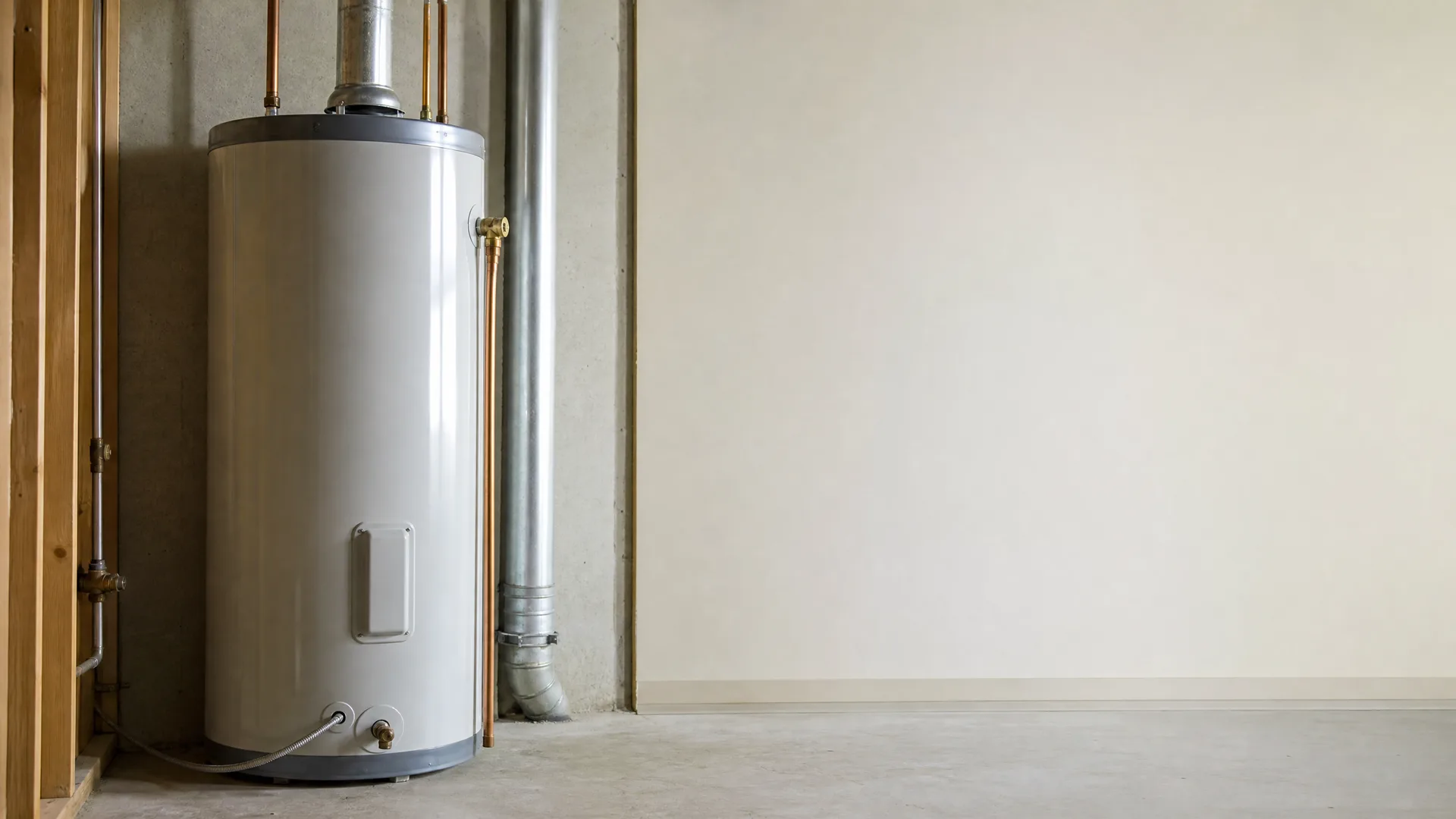
Running two fixtures at once
A tankless unit has a maximum flow rate, usually given in gallons per minute. A shower and a dishwasher running together can ask for more hot water than one unit can heat at the moment it's needed. That's why sizing matters more than the tankless label itself. A unit sized for a single bathroom will fall behind in a house where hot water gets called on from two places at the same time.
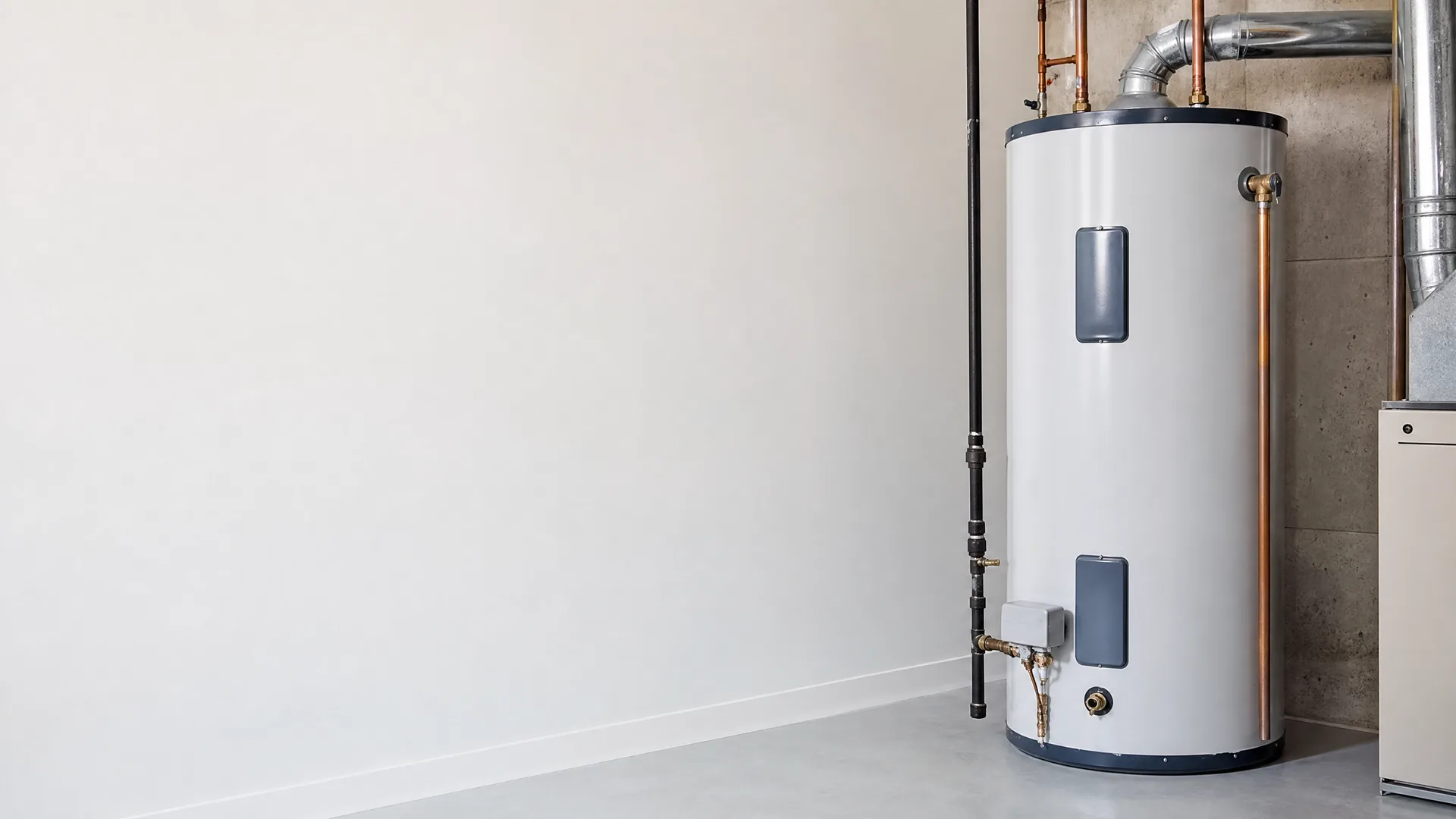
Gas line and venting changes
Most homes in Florissant heat with gas, and a tank water heater usually runs on a standard gas line and a simple vent. A tankless unit draws more gas at the moment it's firing, so the existing line sometimes needs to be upsized, and the venting is different too, often running through the wall rather than straight up through the roof. A contractor checking both before installation avoids a mismatch after the fact.
Tankless or Tank: Weighing the Trade-offs
Tankless
- Upfront cost runs higher than a tank, since the unit itself and the venting it needs both cost more to install.
- Gas tankless units need a dedicated vent rated for high temperature exhaust, which can mean new venting through the roof or an exterior wall.
- A tankless unit can run short on hot water if two fixtures draw at once past what its flow rate allows, so sizing it to the household matters.
- With no tank sitting full of water around the clock, there's nothing to leak or rupture and flood the floor it sits on.
- Gas tankless units often need a larger gas line than what feeds a tank, since the burner has to heat water fast rather than slowly over hours.
- A tankless unit can keep delivering hot water indefinitely during a long shower or back to back loads of laundry, since it isn't drawing down a fixed supply.
Tank
- A 40 or 50 gallon tank costs less to buy and install, and it drops into the same spot and venting an old tank already used.
- The tank holds a fixed supply, so a full bath running at the same time as the dishwasher can mean someone waits for hot water to recover.
- A tank keeps burning gas to hold that water hot around the clock, whether anyone uses it or not.
- Once the tank itself rusts through at the seams or fittings, it's done, and that failure usually shows up as water on the floor.
- A tank heater fits a straightforward swap for a household already set up with one, since the gas line and vent are usually already sized for it.
- Recovery time between uses depends on the burner's output, so a tank that's undersized for the household runs out faster than expected.
A fixture opens and the unit senses water flow at the inlet.
A sensor signals the gas valve to open and ignite the burner.
The heat exchanger heats water as it passes through, not before.
The unit modulates burner output to hold the set temperature as flow changes.
Will a tankless water heater actually run out of hot water?
Will a tankless water heater actually run out of hot water?
No, but it can fall behind if too much runs at once
A tankless unit heats water on demand, so it doesn't run dry the way a tank does after the last gallon is gone. What it has instead is a flow rate limit, measured in gallons per minute. Run a shower and the washing machine at the same time in the winter, when the incoming water is colder, and the unit has to work harder to bring it up to temperature. Ask it for more than it's rated to deliver and the water coming out gets cooler, not cold. That's a sizing question, not a question of whether the unit will keep up at all. A contractor sizes the unit to the fixtures run together in your house, not just the number of people living in it.
Power here costs 13.20 cents per kilowatt-hour
Most homes here heat water with gas, so this rate mainly touches the igniter and controls on a tankless unit, not the burner itself. That keeps the running cost edge tankless has over a tank intact, since electricity plays a small part in either one.
EIA-861 2025
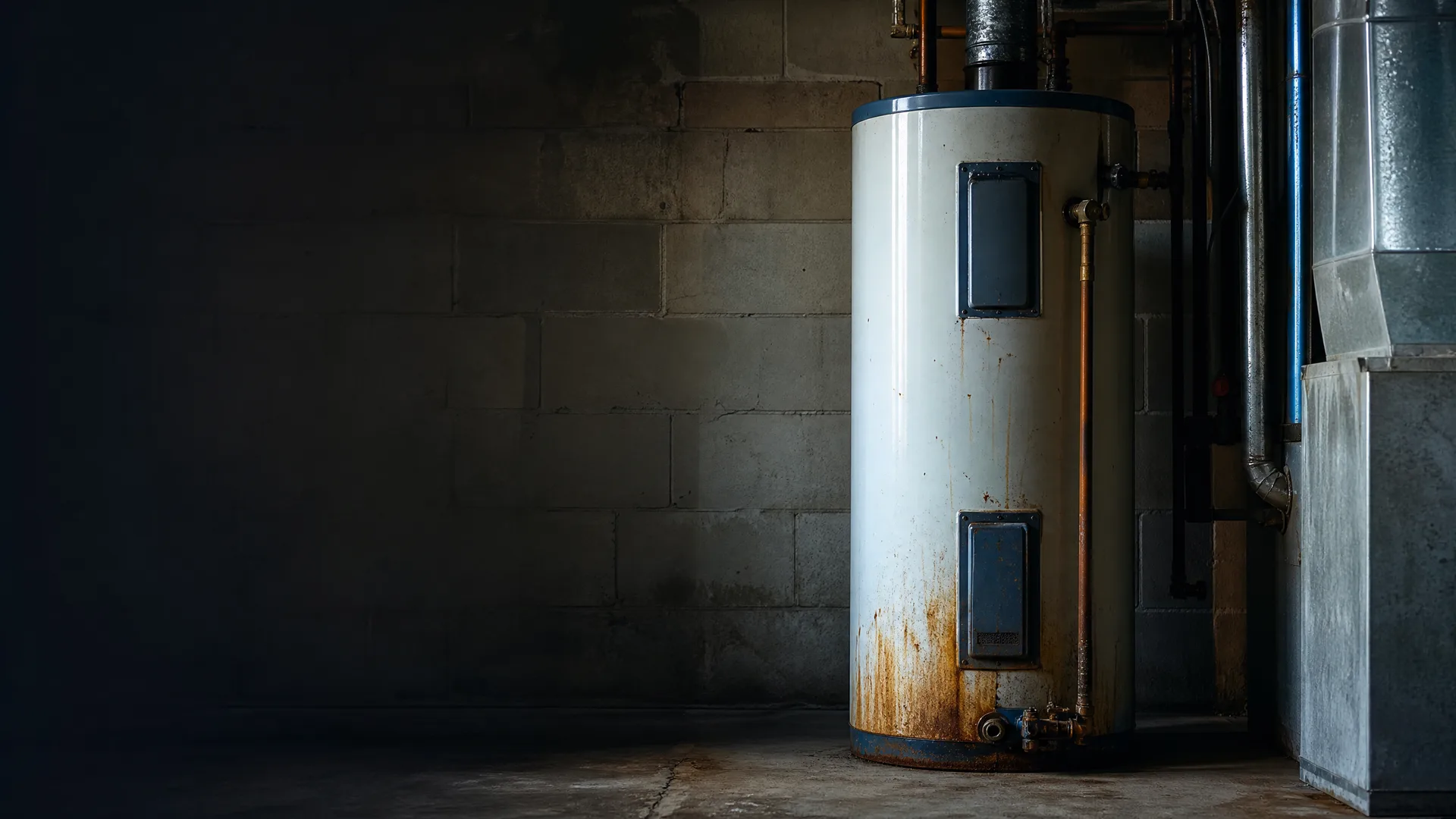
It's past eight and the dishes are still in the sink. The water heater sits in the corner of the utility room, the way it has for years, a dark streak of rust running down from the seam at its base and onto the concrete floor. You flip the light on to grab the laundry and see it again, that stain a little wider than last month. The tank hums along like it always does, holding its forty gallons hot whether anyone needs them or not. You make a note to deal with it this weekend, then turn the light off and head back upstairs.

So is it worth it
A tankless water heater is worth it for a Florissant household that runs hot water hard and often, and sized right for how many fixtures run at once. It costs more going in, needs its own vent, and won't help a house that only wants a shower in the morning and nothing else. For a house that's outgrown its tank, or keeps running short when the dishwasher and a shower overlap, it solves the actual problem instead of just replacing what's already there.
None of that sizing or venting work is something to figure out alone from a search page. A local contractor can look at the gas line, the vent path, and how the household actually uses hot water, and say plainly whether tankless fits this house or whether a tank still makes sense here. Once that's sent off, it's one less thing sitting on your list.

Find a water heater installation pro in St. Louis County