 Hand off the search
How long a water heater lasts in Missouri
One request ends the search for a water heater installer.
A gas water heater in Missouri usually lasts somewhere between 8 and 12 years. Yours might be at the start of that range or well past the end of it, and the only way to know is to check the age on the label near the top of the tank. If that number is already in double digits, you're on borrowed time, and most of these don't give you much warning before they go.
Sticky Missouri summers put a different kind of strain on a water heater than winter does. The unit runs through it all, every month, and age catches up with the tank itself before it catches up with the burner or the thermostat. A tank that's rusting from the inside doesn't announce it. It just lets go.
When a water heater fails, it's rarely a slow decline. It's a Tuesday morning with no hot water, or worse, a puddle spreading across the floor of a closet or basement. At that point you're not looking for information anymore. You're looking for someone who can get a new one in that day or the next.
That's the part worth having sorted out before you need it. Once you send the request, you're done hunting through listings and placing calls to companies that may or may not answer. It goes to one contractor, local to Missouri, who installs water heaters in homes like yours on a regular basis and knows what tends to fail first in a tank that's run its course here. You're not fielding five calls from five companies trying to win the job. You're handing the problem to someone who already knows the equipment and can move on it.
Whether your tank is at the 8 year mark or past the 12, the next step is the same: get eyes on it before it decides the timeline for you.
How long does a water heater last in Missouri?
Your water heater has been running for years without complaint, and you're starting to wonder if it's on borrowed time. Maybe it's making new noises, or the water isn't as hot as it used to be, or you just moved into a house and have no idea how old the thing is. You want a straight number, not a vague estimate, so you know whether to start planning or stop worrying.
Most water heaters in Missouri last 8 to 12 years
Gas water heaters are the most common type here, and they tend to wear out faster than electric ones because the tank takes direct heat from the burner underneath it, which stresses the metal over time. Hard water in parts of the state speeds this up by building scale inside the tank. Once a gas water heater passes 10 years, the tank itself is the usual point of failure, not a part that can be swapped out. If yours is in that range and showing rust at the base, a leak, or water that takes longer to heat, it's worth having someone look at it before it fails on its own schedule instead of yours.
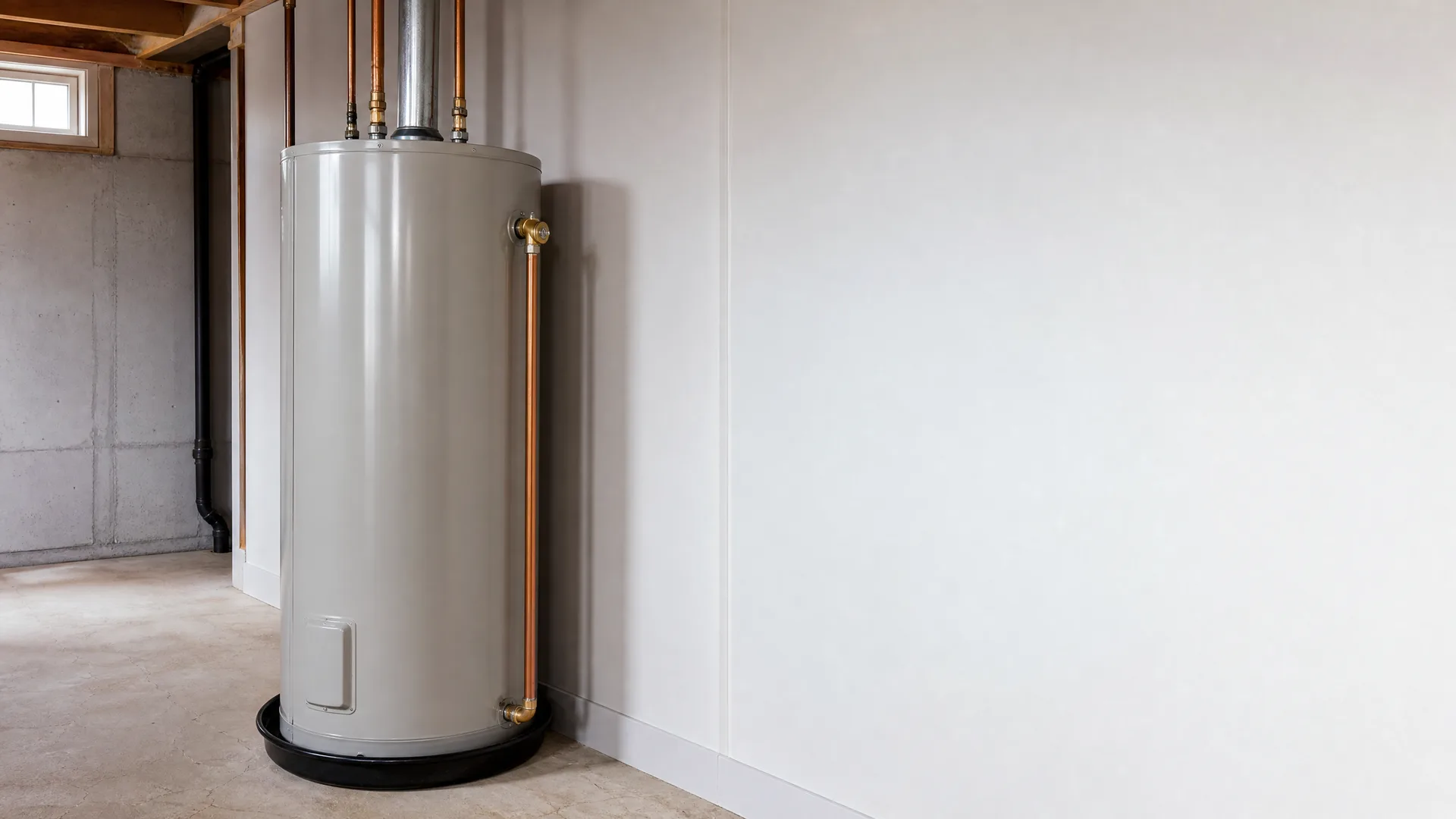
Where the tank actually fails
A gas water heater fails from the inside out. The tank has a glass lining, and underneath that lining is bare steel. Once the lining develops a crack, the water touching that spot starts rusting the steel underneath it, and nothing reverses that. A rod inside the tank is meant to corrode first and protect the lining, but it wears down over years and stops doing its job eventually. When the tank itself starts leaking, the water heater is done. No repair fixes a leaking tank.
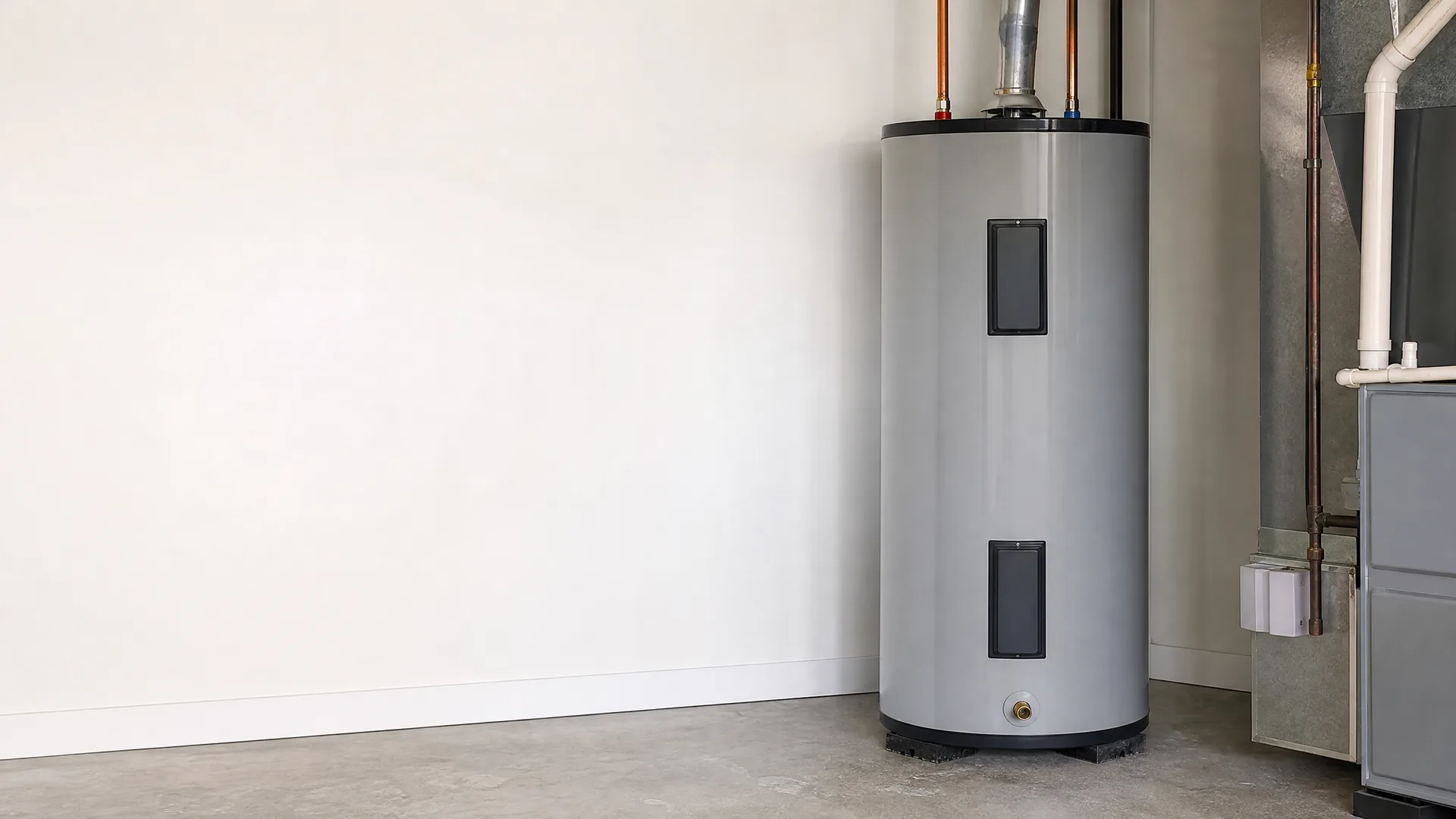
Sediment builds up over years
Missouri water carries minerals, and those minerals settle at the bottom of the tank as sediment over time. That layer sits between the burner and the water, so the burner has to work harder to heat the same amount of water. A gas water heater with a thick layer of sediment on the bottom runs longer each cycle and makes more noise doing it, a rumbling or popping sound as water moves underneath the buildup. Sediment also shortens how long the tank lining holds up underneath it.
49.3% of homes statewide heat with gas
Gas heats more homes in Missouri than anything else, which is probably why yours runs on a gas water heater too. That pilot or igniter means a replacement tank needs a gas line hooked up correctly, not just a plug put in the wall, and that's work for someone licensed to do it.
ACS 2020-2024 5-year B25040




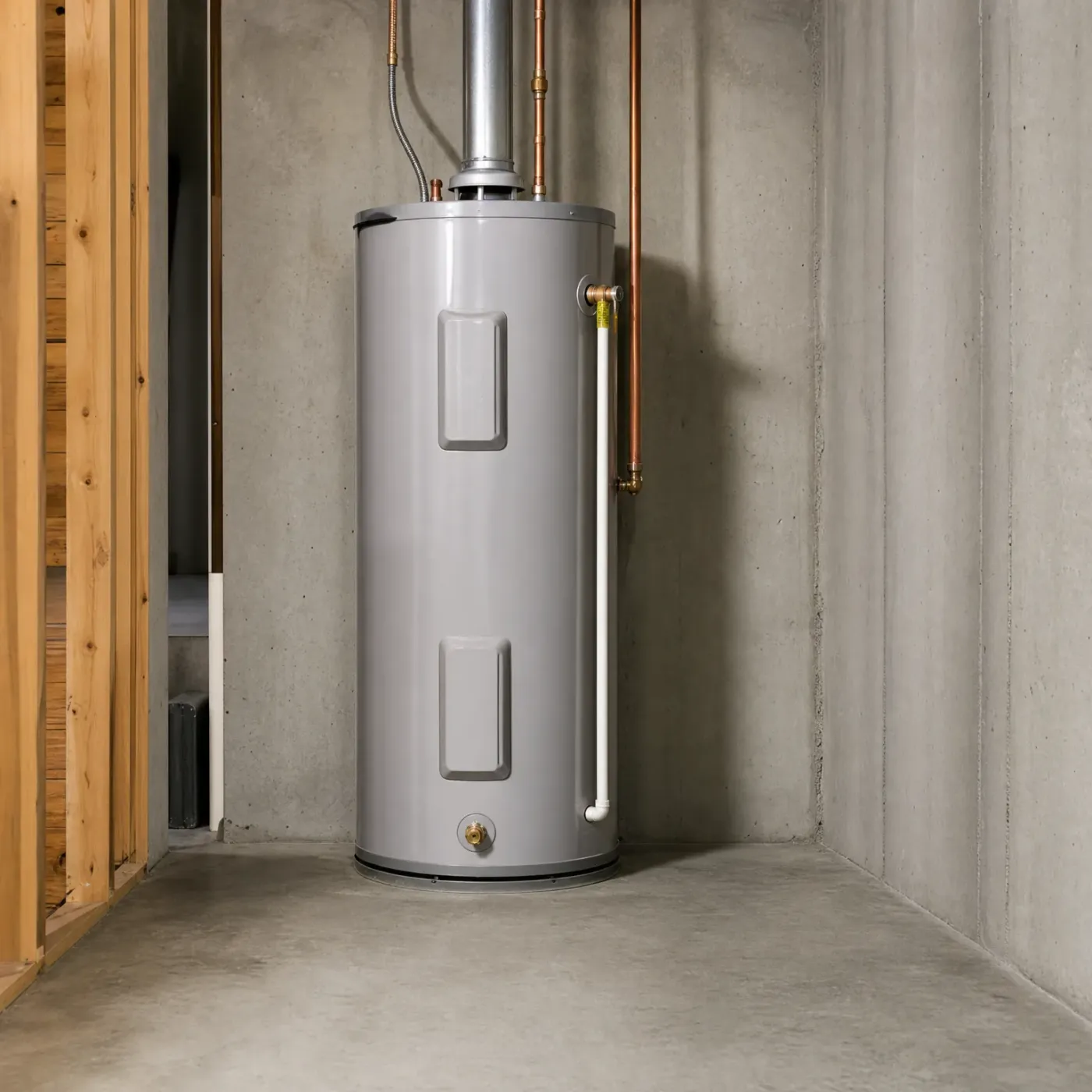
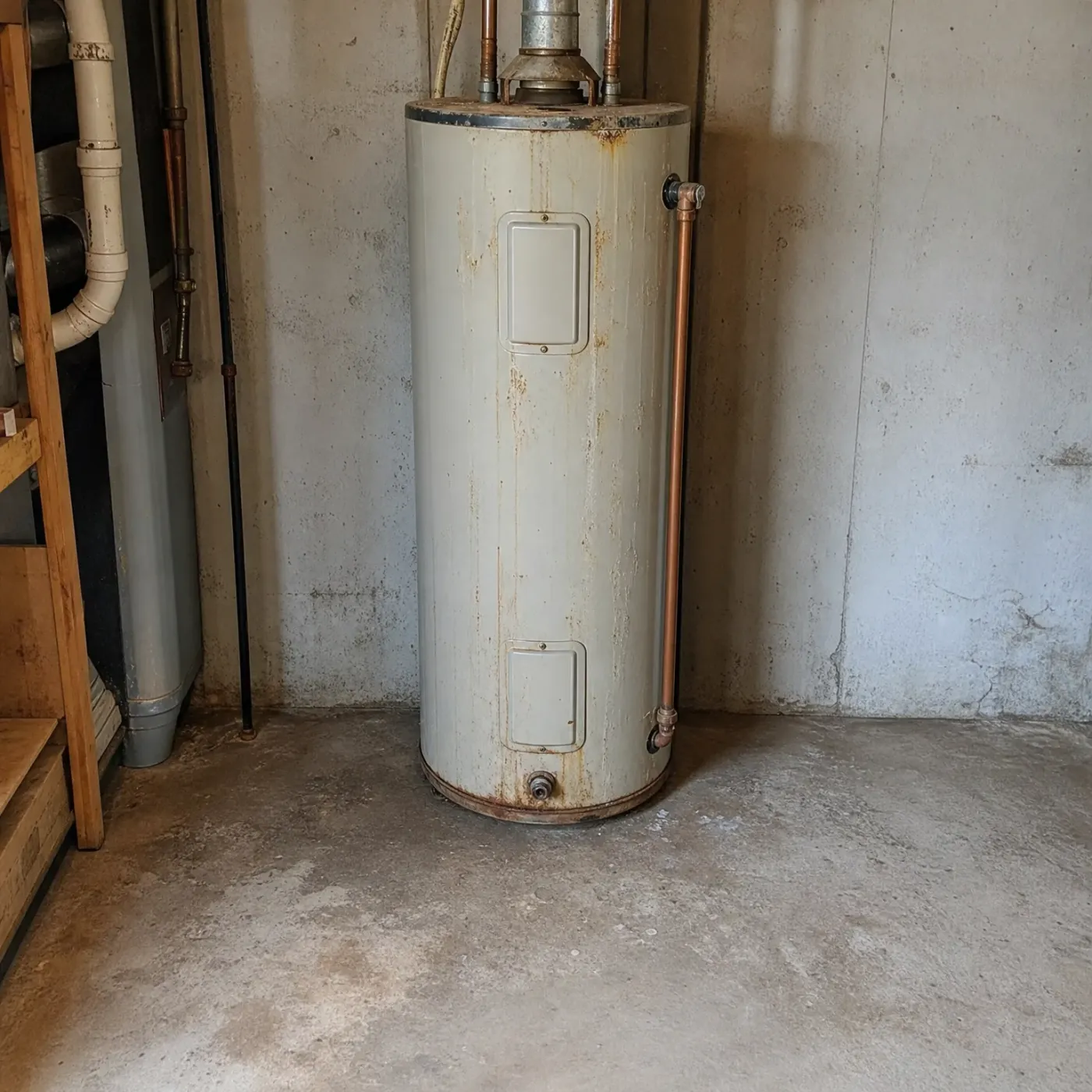


Send one request and you're done looking
A tank at the end of its 8 to 12 years doesn't usually give you much warning before it lets go, and in Missouri that failure point is a floor drain hit with water that's often still hot, sometimes a finished basement underneath it. Catching it before that happens, rather than after, is the difference between a planned swap and a flooded floor. Finding someone who works on gas tanks regularly, who knows a corroded fitting or a bad anode rod on sight, takes time you may not have if yours is already past 8 years. Send the request through and it goes to one licensed contractor local to you, someone who sees this exact tank age and this exact gas setup all the time. From there it's off your plate. You don't have to sort through options or vet anyone yourself. You just have an answer coming on a tank you've probably been wondering about for a while now.
Where your water heater stands
- A gas water heater in Missouri runs 8 to 12 years, and the label on the tank tells you where yours stands.
- Rust at a fitting or a seam means the tank's lining has already failed and the leak is a matter of when, not if.
- Installing a gas water heater means running a gas line correctly, work that calls for someone licensed to do it.
- A local contractor who services these tanks every season knows which part tends to go first in a tank this old.
- Sending one request means one licensed, local contractor looking at your tank, not a string of callbacks to sort through.
- Replacing a tank before it fails means picking the time and the install, instead of a flooded floor choosing for you.
Eight to twelve years is the window, and the label near the top of your tank tells you where you fall in it. Past that range, you're not waiting to see if it fails. You're waiting to see when, and in Missouri that usually means a basement floor and water that's still hot. Rust at a fitting or a seam is the tank telling you the lining is already gone underneath it. That doesn't reverse itself, and it doesn't wait for a convenient week.
Replacing a gas water heater isn't a swap you make alone on a Saturday. The new tank needs a gas line connected correctly, and that's licensed work, not a weekend project. Someone who services these tanks all year in Missouri has seen which part on a tank this age tends to go first, and checked for it before it became the reason you're standing in water.
Send one request and one licensed, local contractor looks at your tank. Not three companies competing for the job, not a week of calls to sort through and compare. Just someone who knows this equipment, looking at yours.
The tank will fail eventually. That part isn't in question. What's still in your control is whether you're the one who picks the time, or whether a flooded floor picks it for you. Checking that label today is the easiest way to know which one you're facing.

Water Heater Installation
Finding a pro stops being your job

- A local installer who puts in water heaters gets your project.
- Get in touch with a local installer about a new water heater.
- Send the request and finding a pro stops being your problem.
- After this form, you can stop searching for a water heater pro.

- Skip collecting and comparing quotes for the new water heater.
- Fill out one short form instead of calling around.

- Only one pro gets your request, so you hear from one company.
- Your request stays with one local pro.