Get Hot Water Missouri

Hot water runs out fast in Joplin, MO

Get matched

Running out of hot water partway through a shower gets old fast, especially with a cold Jasper County winter outside. It usually comes down to the same handful of causes: a failing heating element, a thermostat that's lost its calibration, sediment sitting at the bottom of the tank, or a unit that was undersized for your household to begin with. Figuring out which one it is matters, because the fix is different every time. A contractor who works on water heaters around Joplin every week has seen all four and knows what to check first. Tell us about your water heater and what's happening, and you'll get matched with a licensed local contractor who takes on jobs like this, not a call center reading from a script. Just one contractor reaches out to you directly, so you're not stuck fielding calls from five different companies trying to win your business.

A water heater that runs out fast is usually struggling with one of a few things. On an electric tank, which is what most homes around Joplin have, a lower heating element can fail while the upper one still works, so you get a few minutes of warm water and then cold. Sediment settled at the bottom of the tank does something similar, since it takes up space and sits between the burner or element and the water, so there's less volume actually getting heated and it takes longer to recover. A thermostat that's drifted off calibration can shut off heating before the tank is fully hot, so you start every shower with less than a full tank to begin with. In winter this shows up faster, because the water coming into the tank is colder than it is in summer and the heater has more work to do just to reach the same temperature. None of this means the tank needs to be replaced. A contractor can check the element, the thermostat and the tank itself and tell you which one is actually failing.

  1. Cold water enters the tank and sinks to the bottom

  2. The lower element heats that water first

  3. Sediment on the lower element blocks heat from reaching the water

  4. The upper element heats only the top portion of the tank

Why does hot water run out so fast for your household?

  • 2.47 people per household on average

    Jasper County households average 2.47 people, per the Census Bureau. More people means more showers back to back, and a struggling lower element has less time to recover between them.

  • Half the homes here were built by 1986

    Half the homes in Jasper County were built in 1986 or earlier, per the Census Bureau. An older tank has had more years to collect sediment on the bottom, where it blocks the lower element from heating water.

  • 47.9% of homes heat with electricity

    Electricity heats 47.9% of homes here, more than any other fuel, per the Census Bureau. That means most tanks in the area rely on two heating elements, and when the lower one fails, hot water runs out fast.

ACS 2020-2024

It's a tank problem

If every shower in the house runs out around the same point, the tank itself is the issue. A failing lower element, a bad thermostat, or sediment built up on the bottom will all show up this way no matter who's using the water or when. Flush the drain valve and see if a little rusty or gritty water comes out. If it does, that sediment layer is sitting between the lower element and the water it's supposed to heat, and the tank needs attention regardless of how many people live there.


It's a demand problem

If hot water was fine with fewer people in the house and now it isn't, the tank may be working as designed but simply outmatched. A 40 or 50 gallon tank built for two people runs short fast once a third or fourth person starts showering back to back. There's less recovery time between draws, so the second and third person in line feel it most. This doesn't always mean something's broken. It can mean the tank's capacity no longer fits how many people are drawing from it.

A woman with dark hair in a bun wearing a cream knit sweater sits on a gray sofa in a bright living room, looking off to the side.
A woman wrapped in a knit blanket sits on a gray sofa in a living room, looking toward a bright window with houseplants and an armchair in the background.
A woman in a gray cowl-neck sweater sits on a light sofa with cushions, smiling and looking to the side, with a kitchen and window visible behind her.
A woman with dark hair in a bun, wearing a light linen shirt, sits on a sofa and looks to the side, with a window, houseplants and a kitchen with pendant lights blurred behind her.

What This Looks Like at Home

  • A ten minute shower now might mean turning the water heater's thermostat up, or it might mean a repair call you keep putting off.
  • Running the dishwasher after everyone's showered can mean cold water for the last load, since the tank never got a full recovery window.
  • Houseguests over a cold Jasper County weekend will notice a struggling lower element faster than you do on an ordinary day.
  • A thermostat that's drifted off calibration can make the tank feel undersized even though nothing about the tank itself has changed.
  • Sediment sitting on the bottom of the tank makes the heater work harder for the same amount of hot water, which shows up on your power bill.
  • Left alone, a failing lower element usually doesn't fix itself, and the gap between showers only gets harder to plan around.

A water heater running short doesn't stay a minor annoyance. It starts showing up in how the household actually runs. Someone showers first and gets ten good minutes. Whoever goes last gets lukewarm water or none, and that pattern repeats every day until something changes. You might find yourself nudging the thermostat higher just to buy a few more minutes, which doesn't fix a failing lower element or a thermostat that's drifted off calibration. It just asks the tank to work harder. Laundry and dishes get caught in the same squeeze. Run the dishwasher after the last shower and it may pull cold water because the tank never had time to recover. Have people staying over for a weekend and the gap shows up fast, since more showers back to back give a struggling element less recovery time between each one. Sediment sitting on the bottom of the tank adds to all of this quietly. It blocks heat from reaching the water, so the heater runs longer to do the same job, and that extra run time turns up on your power bill whether or not you've connected the two. None of this tends to improve on its own. A failing element or a layer of sediment doesn't reverse itself, and the shorter the hot water lasts, the more the household has to work around it instead of just using it.

Power here costs 14.50 cents per kilowatt-hour

At 14.50 cents per kilowatt-hour, keeping an electric tank running isn't what's draining your wallet when the water runs cold early. A failing lower element or a thick layer of sediment wastes the power you're already paying for, since the tank heats water it can't deliver. Fixing the actual fault gets you back to full tanks without raising your bill.

EIA-861 2025

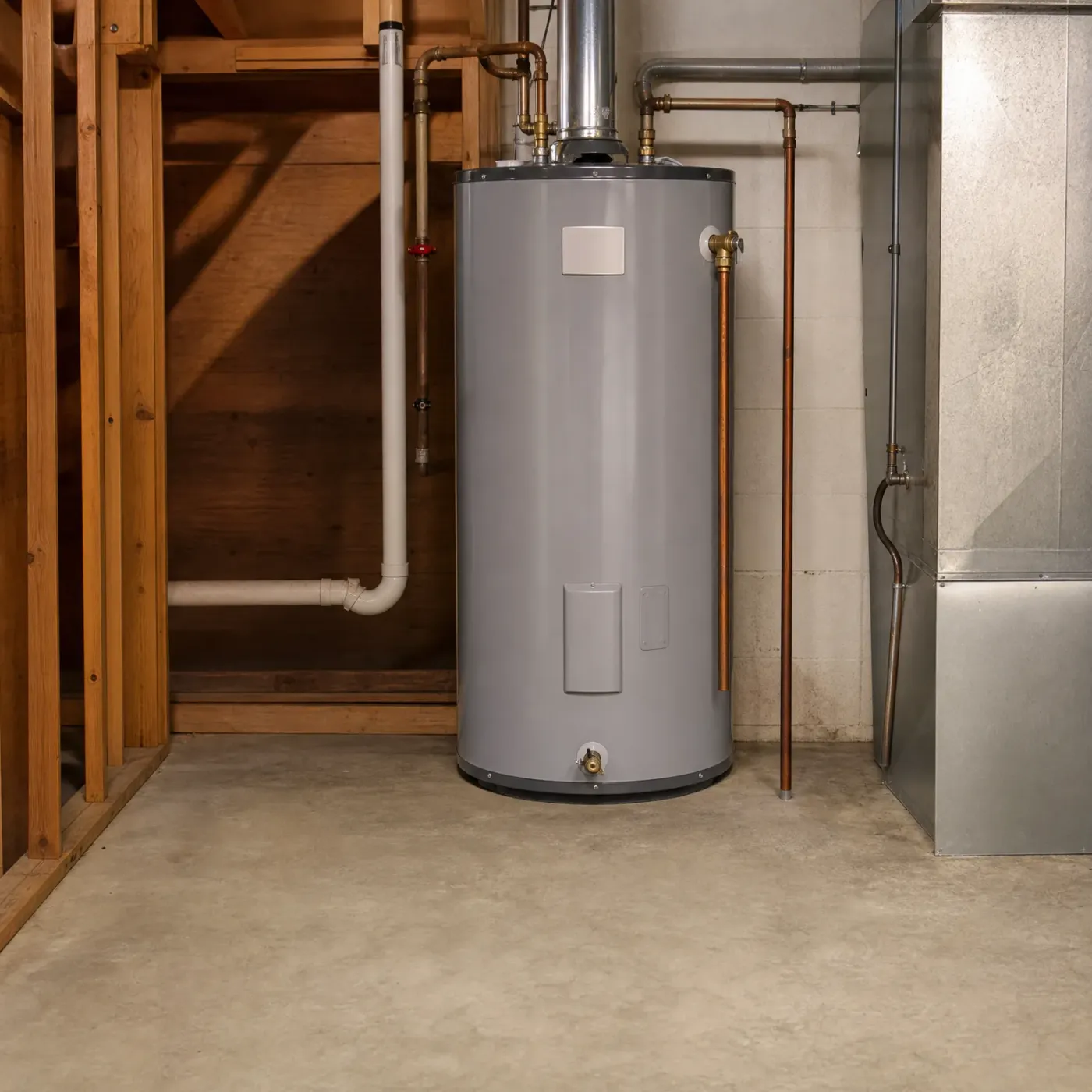
A gray cylindrical water heater stands on a concrete basement floor between an unfinished wood stud wall and a metal furnace duct, with copper and PVC pipes running along the concrete block wall.

Still doing its job

Copper and PVC lines run clean overhead, the tank stands upright with no rust streaking down the side, and the connections are tight. A water heater in this shape just needs its elements and thermostat checked, not replaced.

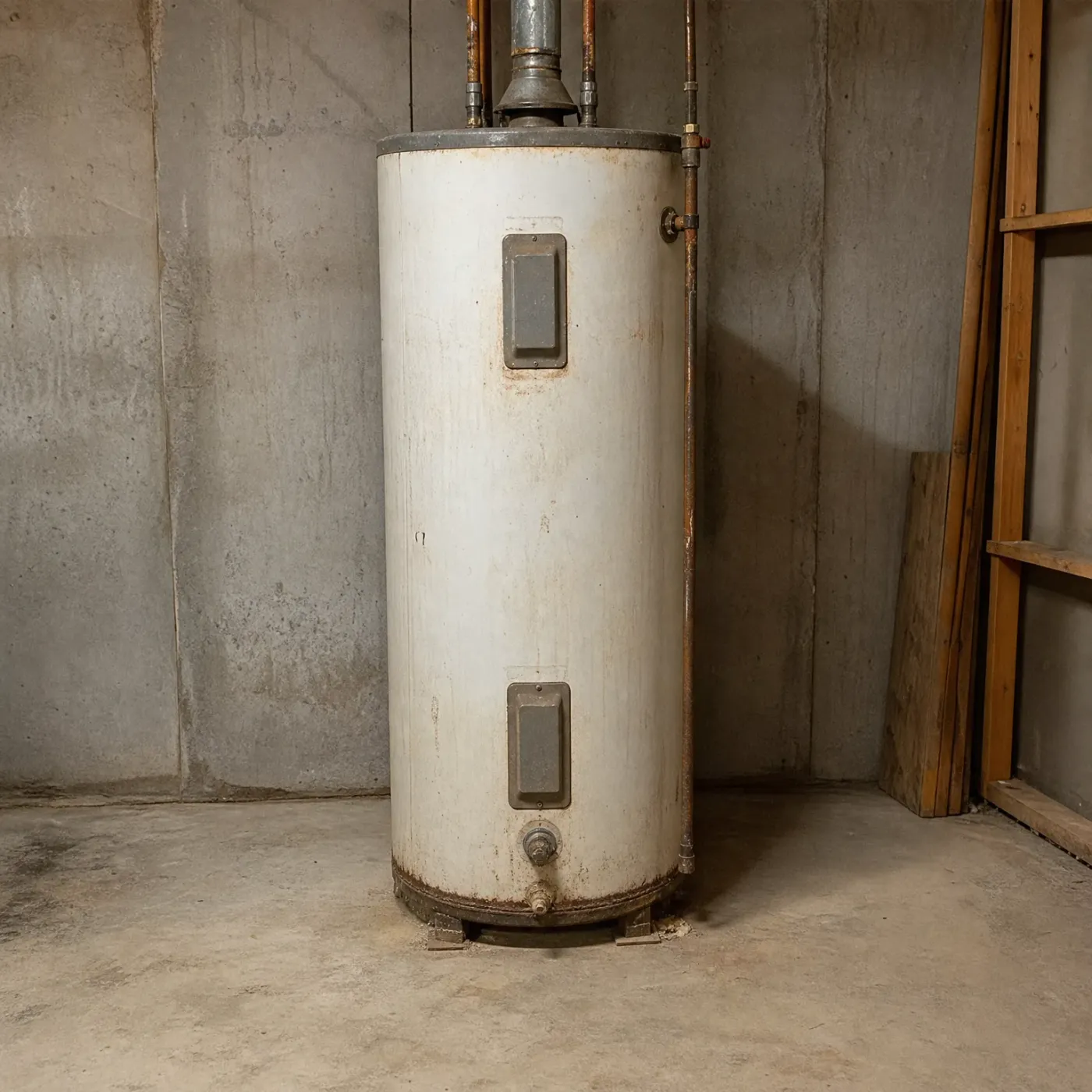
A rusted white cylindrical water heater with two access panels stands in a concrete-walled basement corner, with pipes rising from its top and wooden boards leaning against the wall at right.

Rust tells on itself

Once rust works its way across the tank like this, the steel underneath is thinning too. The access panels might still read fine on a thermostat test, but a tank rusted out this far is closer to a leak than a repair.

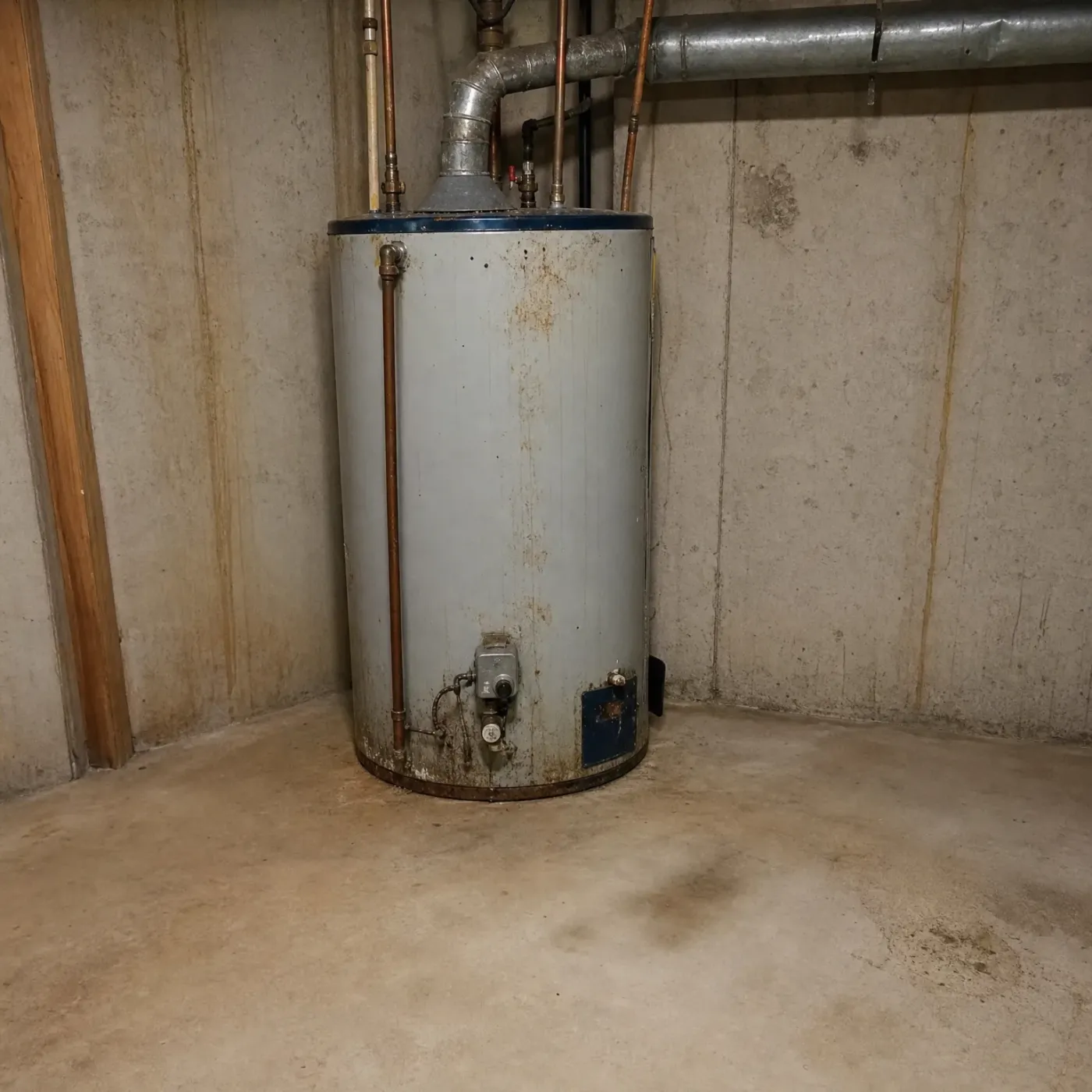
An aging gas water heater with rust streaks stands in the corner of a concrete-walled basement, with copper pipes and a metal flue duct running overhead.
Before you get your water heater repair
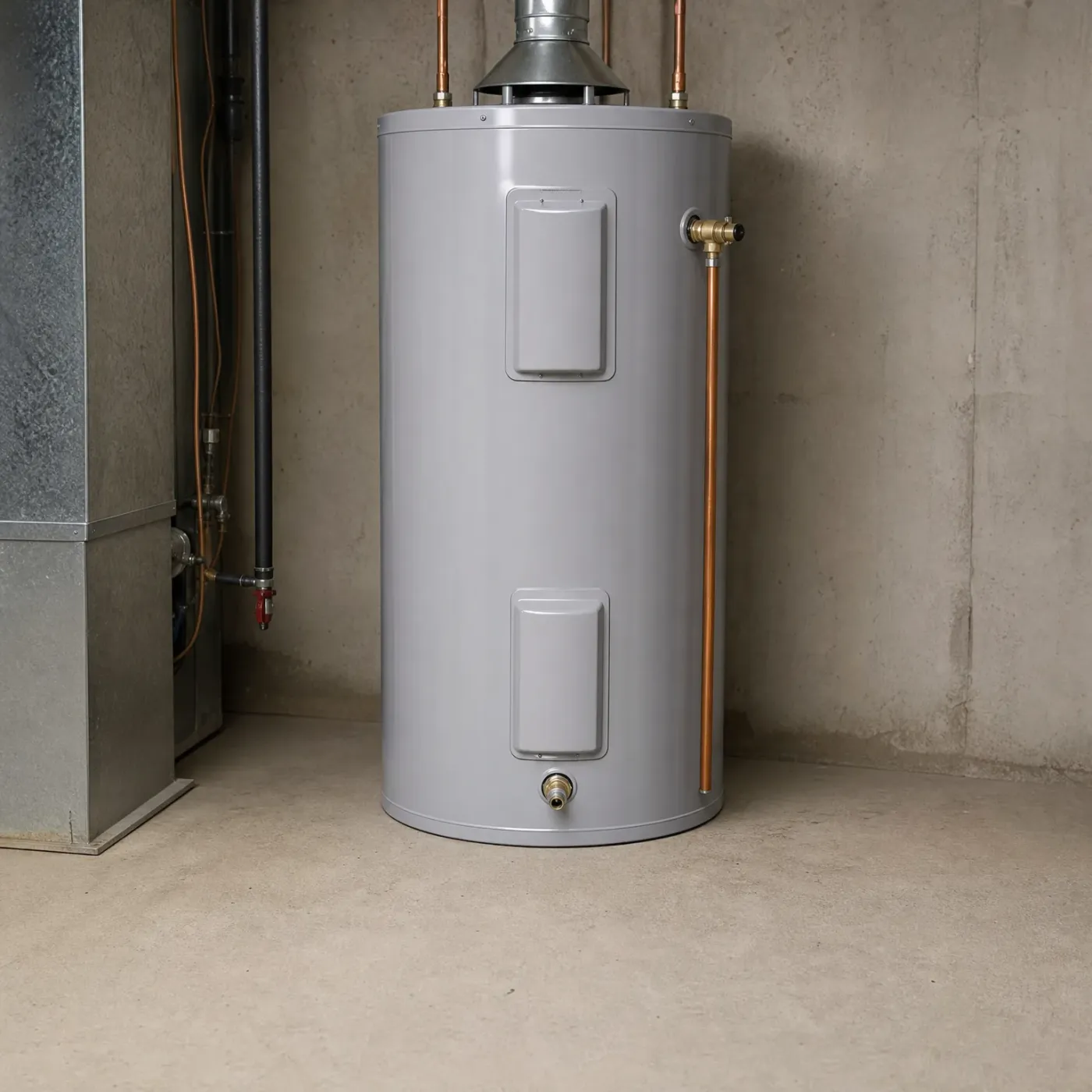
A gray cylindrical water heater with copper piping and a flue stands on a concrete floor in a basement corner beside ductwork and metal equipment.
After you get your water heater repair

Get matched with a water heater pro in Jasper County

A lower element doesn't fix itself, and sediment doesn't thin out on its own. Every week you wait, you're still paying to heat a tank that can't hold onto that heat for more than a few minutes of shower. The part causing it, whether it's the element, the thermostat, or buildup on the bottom, isn't something you can see without pulling the access panel, and guessing which one it is from the kitchen table usually means buying a part that isn't the problem. A local contractor who works on tanks like this all winter can tell from how the hot water runs out, and how fast, which of the two or three usual causes it is before ever opening the panel. With a Jasper County winter outside and a household that needs its showers, getting someone out to look at it now is worth more than riding out another week of cold water at minute six.

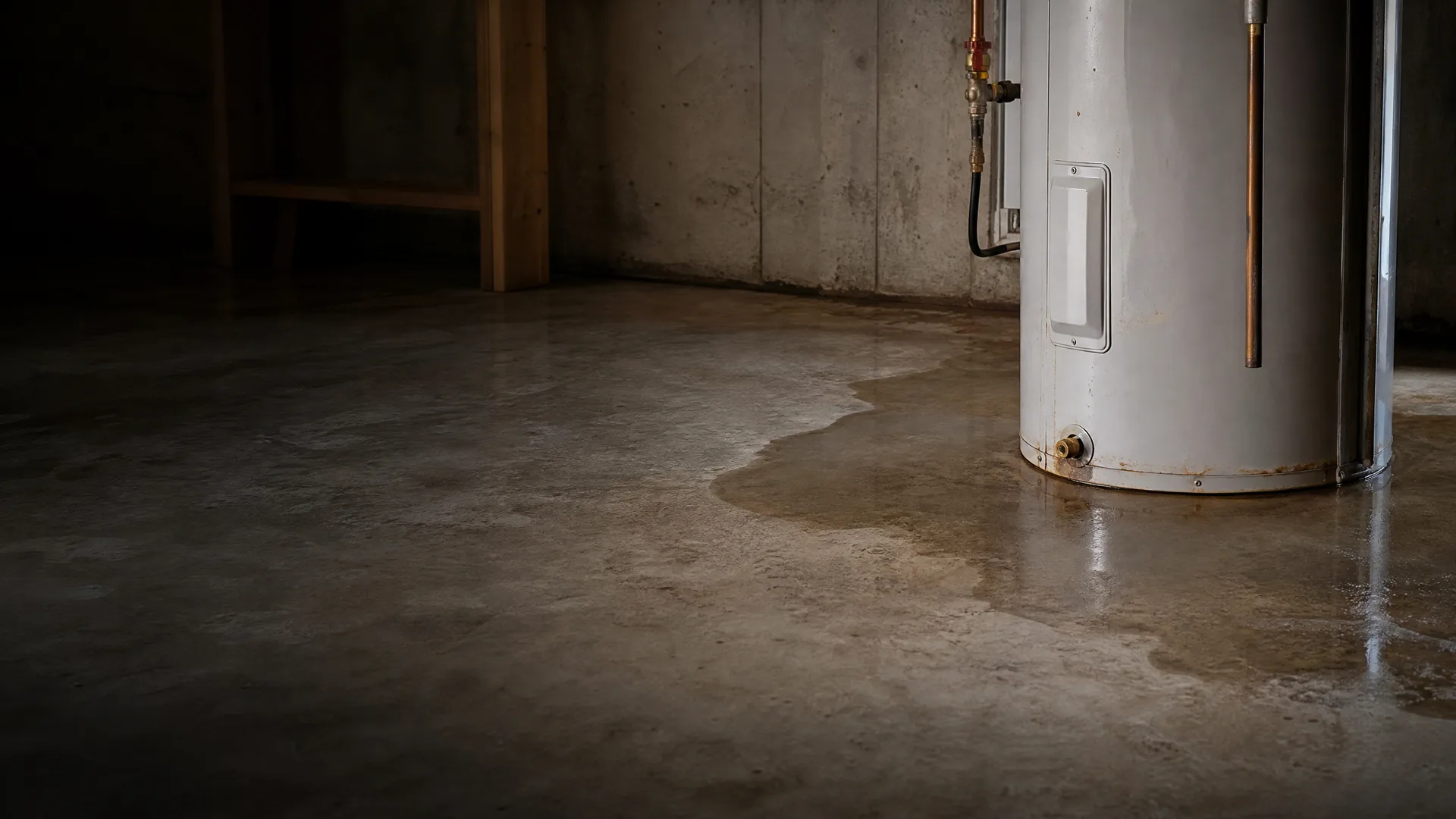
A white cylindrical water heater with copper pipes stands against a concrete basement wall, with water pooled across the surrounding concrete floor.

Saturday morning, and the basement is quiet except for the washer running upstairs. You go down for a load of towels and your sock is wet before you notice why. A pool has spread out from the base of the tank, already reaching the edge of the floor drain it should've gone into. The metal along the bottom seam is streaked with rust. You crouch down and the side of the tank is damp all over, not just dripping from one spot. It's been running out of hot water in under ten minutes for two weeks now, and you'd been meaning to call someone about the element. This isn't that problem anymore.

Fix It Now or Wait It Out

Repair now

  • A new lower element costs a fraction of a replacement tank and takes a contractor one visit to swap in.
  • Flushing sediment off the bottom of the tank can bring back several minutes of hot water without touching anything else.
  • If the copper lines and the tank itself still look clean and dry, there's no reason to replace what's already working.
  • A thermostat that's drifted out of calibration is a cheap part and a quick fix, not a sign the tank is failing.
  • Catching a bad element or sediment buildup early means you're not stuck paying to heat water that cools back down in minutes.

Let it ride

  • Every shower you take on a struggling lower element is still pulling 14.50 cents per kilowatt-hour to heat water that won't stay hot.
  • A tank that's rusting down the side or has loose connections is past the point where a new element solves anything.
  • Waiting means more mornings where the last person in the house gets a cold shower, not just a shorter one.
  • Sediment that's already thick on the bottom only gets heavier, and it insulates the lower element more each week it sits.
  • A tank that eventually fails outright can mean water on the basement floor, not just a shorter shower.
A smiling older woman with gray hair in a cream knit sweater stands in a dimly lit kitchen beside a window showing snow outside, with a round loaf of bread on the counter in the foreground.
A woman and a child wrapped together in a thick knitted blanket on a sofa, both with eyes closed, with a lit table lamp and houseplant in the dim background.
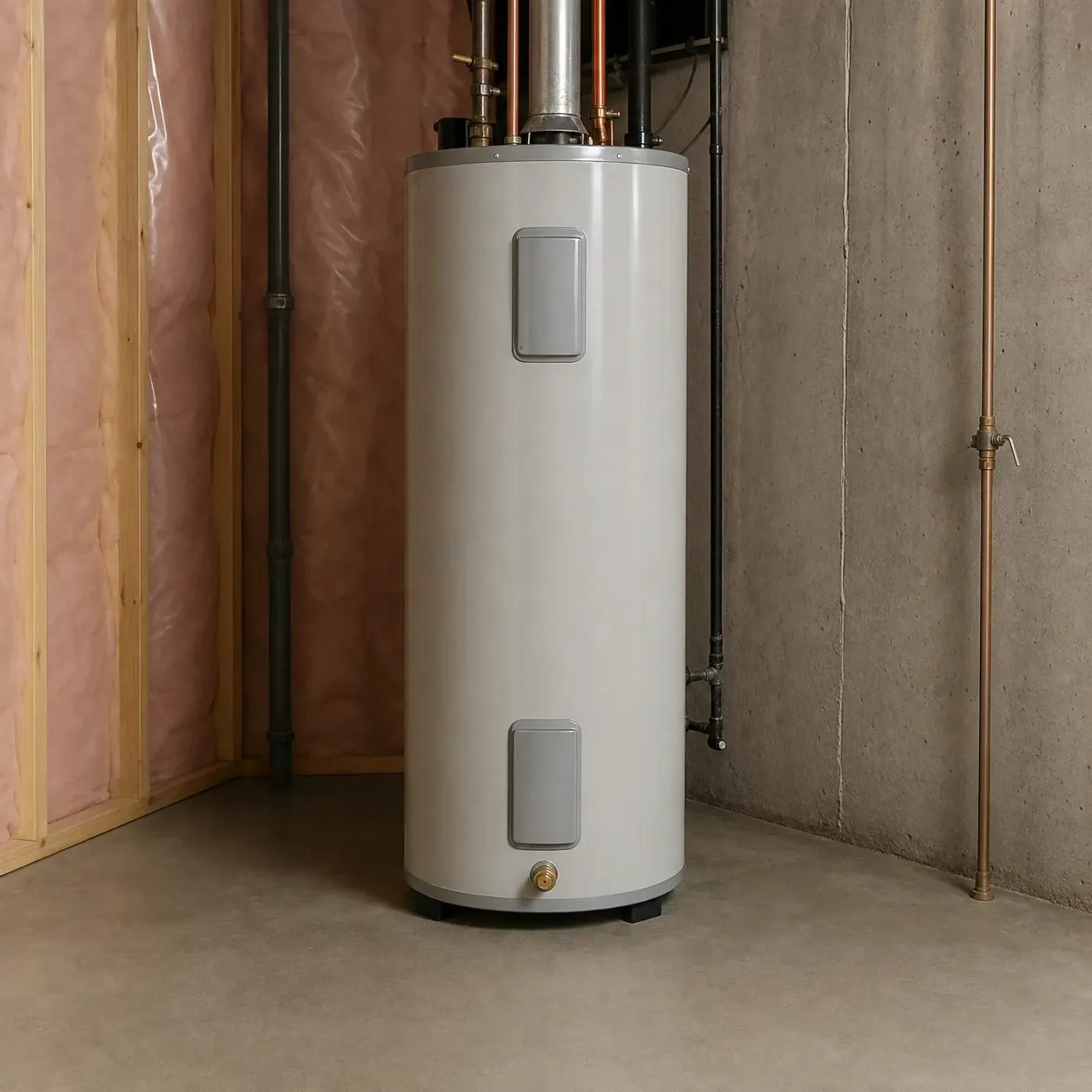
A white cylindrical water heater with two access panels and a brass drain valve stands on a concrete floor in a basement corner, beside a pink-insulated stud wall and a concrete wall with copper and black pipes.

Clean setup, no signs of trouble

Copper and black iron pipes run straight into the tank, connections tight, nothing dripping. A water heater in a corner like this is doing what it's built to do. If yours still looks like this, a short shower problem is probably the lower element or the thermostat, not the tank.

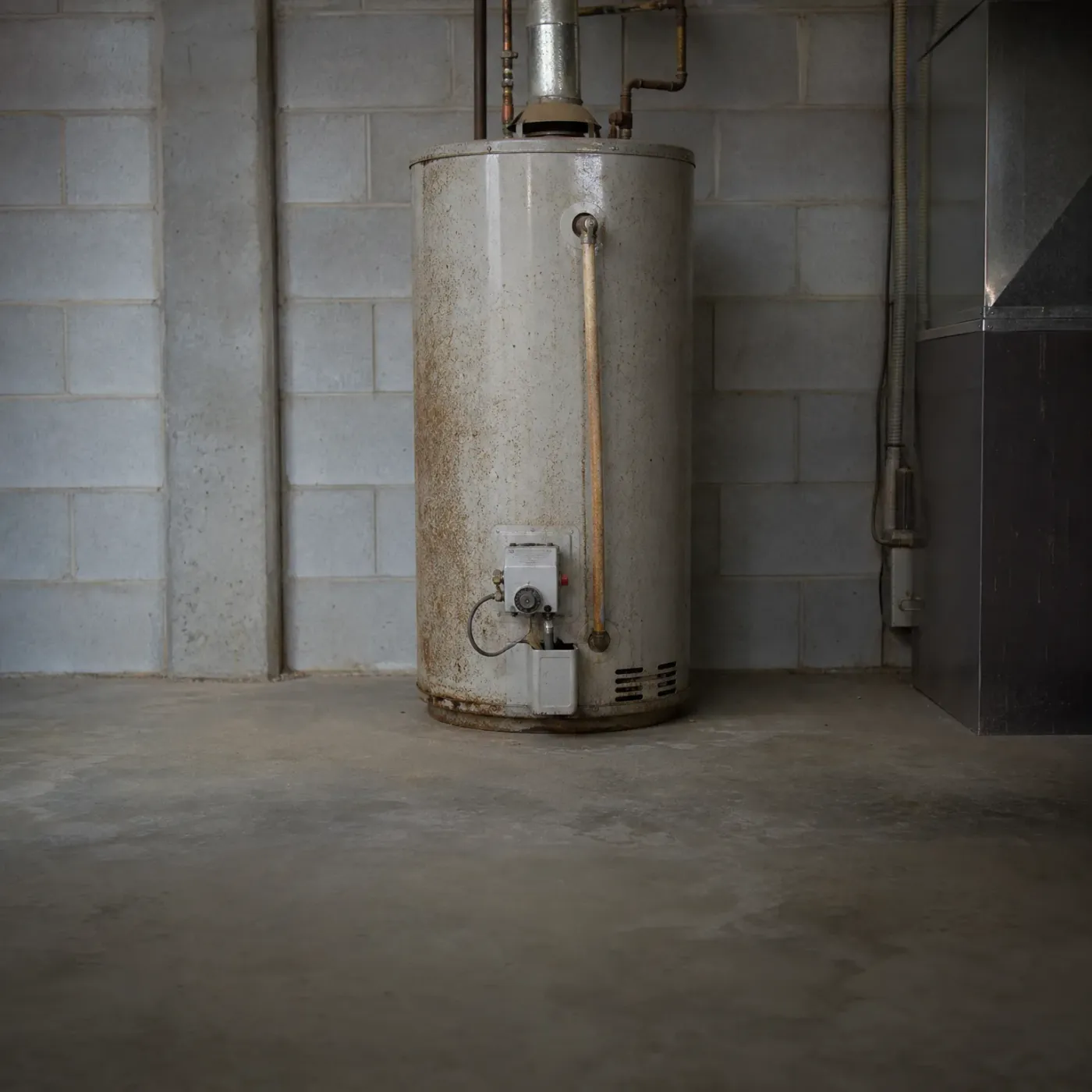
A rusted gas water heater with a flue pipe stands against a concrete block wall on a bare concrete floor, next to a dark metal duct or furnace cabinet at right.

Rust and age working against it

Rust has worked its way down the side of this tank and across the galvanized fittings above it. Once rust shows on the outside, the inside has been losing ground longer than that. A tank in this shape is worth a contractor's look before you spend money chasing the wrong part.

A woman stands in the open black front door of a white-sided house with a dark shingled roof while a man in a navy jacket approaches along the walkway, with lantern wall lights, a potted shrub, and flowering garden beds nearby.

A short shower isn't something to live with

A tank running out fast is telling you something specific, not failing at random. A bad lower element, a thermostat out of calibration, or sediment sitting on the bottom all show up the same way, as hot water that quits early. Which one it is decides whether the fix is a new part or a flush, and that's worth knowing before you plan around cold showers all winter.

Getting matched with a licensed contractor who works on water heaters around Jasper County every week means someone who's seen this exact tank problem enough times to know where to look first. One contractor reaches out, not several, so you're not fielding a round of calls to sort out who can actually help. That's the part that gets your mornings back to normal.

A dark ceramic mug on a round wooden table beside a light grey sofa with a woven cushion and knit throw, with a window, potted plant, floor lamp and wooden cabinet blurred in the background.
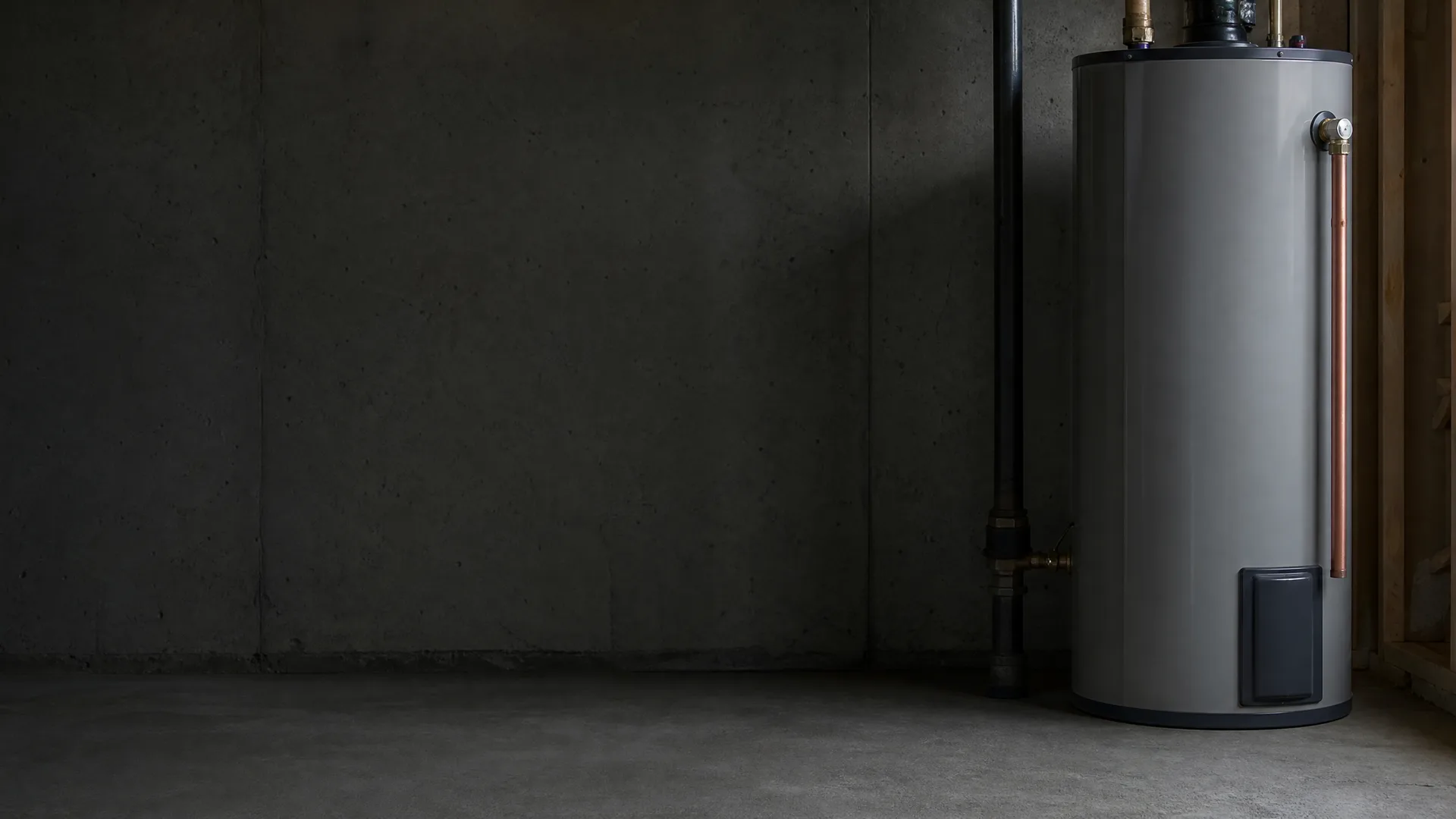
A white and gray water heater with copper piping and a black vent pipe stands against a dark concrete basement wall on a bare concrete floor.

Find a water heater repair pro in Jasper County

A licensed pro who works in Jasper County gets your request.

Step 1 of 3: Equipment